(1).png?w=2643&h=1585)

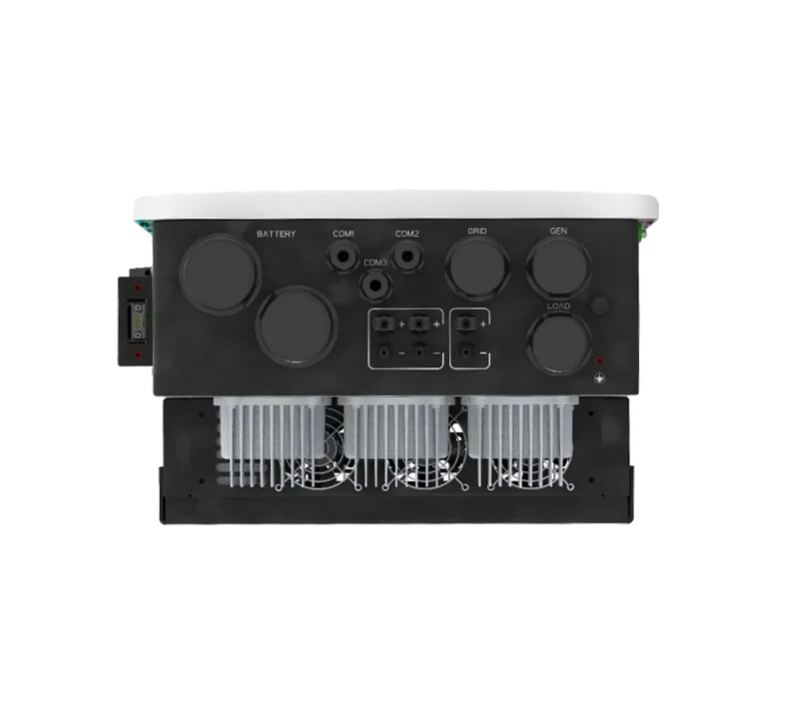
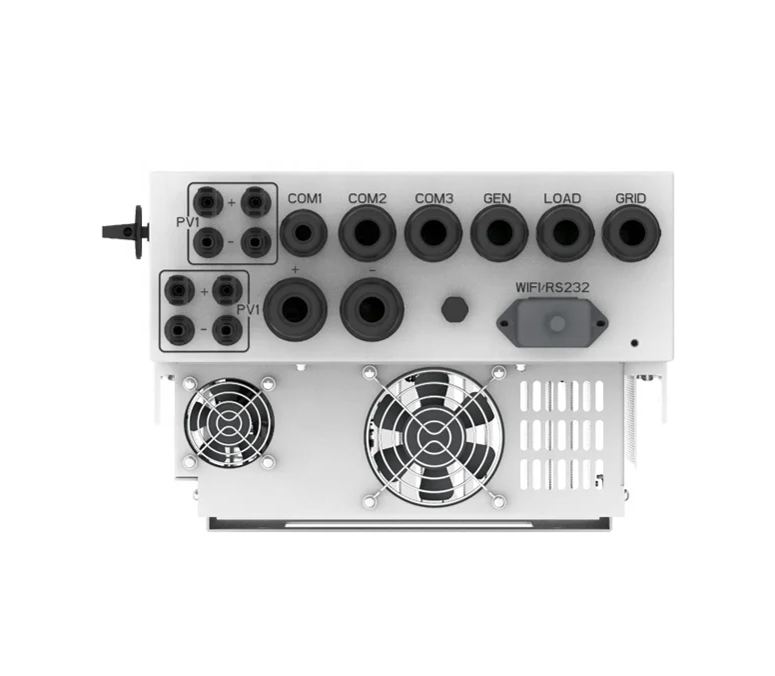
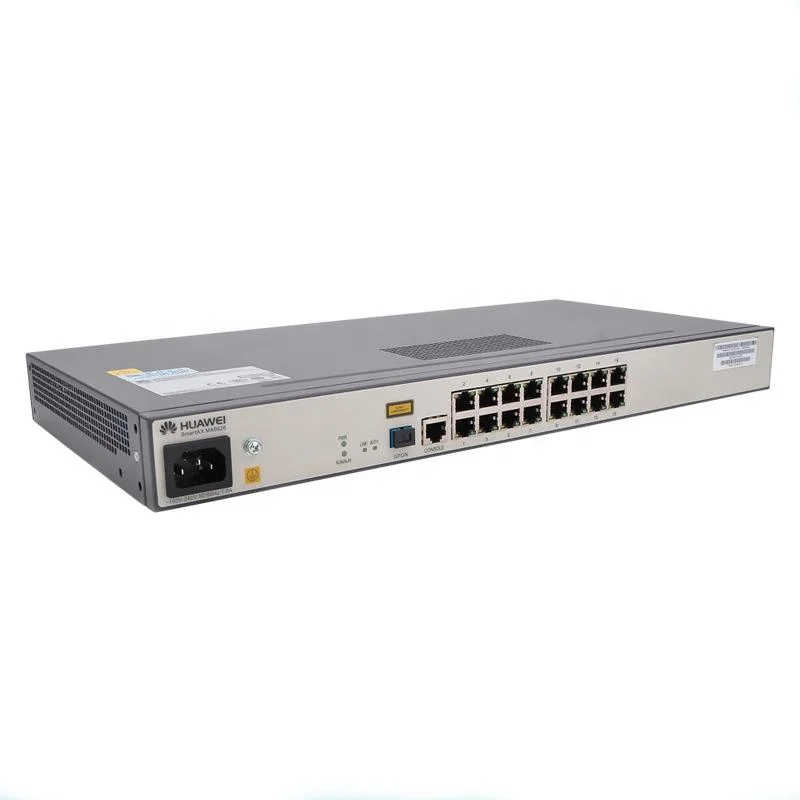
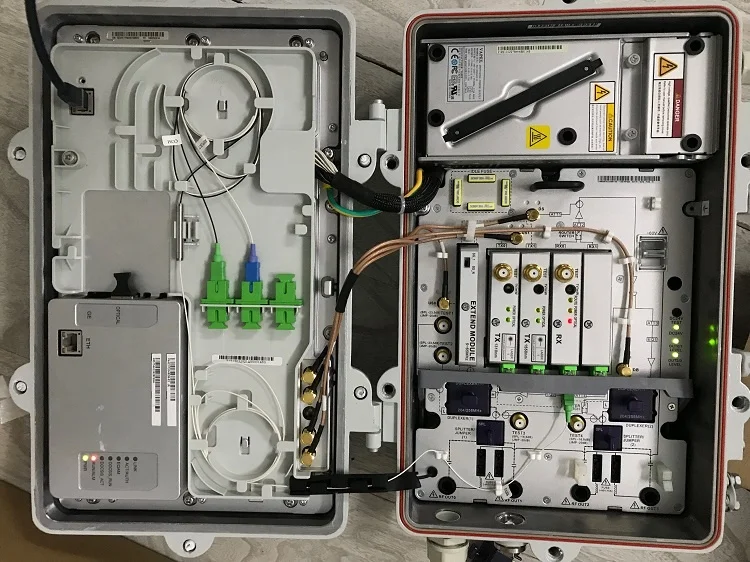

The average online shopper sees a polished storefront, a seamless checkout, and a confirmation email. What they don’t see is the vast, silent network of radio waves and fiber optics that makes that single click possible. For global e-commerce operations, especially those scaling into new regions, this invisible infrastructure isn’t just a utility; it’s the bedrock of customer experience. Downtime here doesn’t mean a slow page load—it means a complete blackout of sales channels. This is where the seemingly arcane world of telecom hardware, like configuring an RRU with a BBU, becomes a critical business operation.
Many operations teams inherit a patchwork of network solutions, often a legacy of rapid geographic expansion. The goal is simple: ensure the warehouse management system in Manila can talk to the payment gateway in Dublin via a stable, low-latency connection, often relying on private LTE or localized 4G/5G networks for last-mile logistics or in-facility connectivity. The problem is rarely the concept, but the execution. Sourcing compatible, reliable hardware that won’t fail during a peak sales period is the first, and often most underestimated, hurdle.

The Compatibility Maze Beyond the Data Sheet
On paper, connecting a Remote Radio Unit (RRU) to a Baseband Unit (BBU) is a matter of matching frequencies, protocols, and physical interfaces. In practice, especially with global supply chains, it’s a lesson in subtle incompatibilities. A team might procure a base6630 radio2219 unit, assuming it’s a plug-and-play component for their existing Ericsson-based setup. The first surprise often comes with firmware. A BBU 6630 from one batch might run a different software version than the RRU from another, leading to a situation where the hardware links but the control plane fails to synchronize.
The issue isn’t that the equipment is faulty; it’s that in a B2B procurement environment, hardware is often sourced based on availability and cost, not from a single, integrated vendor. This is where the role of a specialized supplier becomes pivotal. For instance, sourcing a guaranteed original base6630 radio2219 from a supplier that understands the full stack—from the BBU and RRU to the requisite optical modules and feeder cables—can be the difference between a week of configuration hell and a smooth integration. The value isn’t just in the product, but in the certainty of compatibility and the availability of the ancillary components that are easy to overlook until you’re missing one.
Configuration: Where Theory Meets Radio Waves
Assuming compatible hardware is secured, the configuration phase begins. This is less about coding and more about precise calibration. The baseband board 6630 must be configured to manage the radio resources of the connected RRUs, handling channel allocation, power levels, and handover parameters. For an e-commerce operation, the use case dictates the settings. Is this network for real-time inventory robots in a fulfillment center? Latency and reliability are paramount. Is it for guest Wi-Fi at a flagship retail location? Capacity and bandwidth take precedence.
A common, painful lesson is that default power settings are rarely optimal. Cranking up the RRU’s transmit power might seem like a good way to boost coverage, but it can create interference that degrades the entire cell’s performance, leading to dropped connections for mobile point-of-sale systems. The configuration must be iterative: deploy, measure with spectrum analyzers and network performance tools, tweak, and repeat. There’s also the often-forgotten aspect of grounding and power. A BBU is a sensitive piece of electronics; improper power conditioning in an industrial environment can lead to sporadic resets that are incredibly difficult to diagnose.
The Scaling Paradox and Operational Realism
Successfully deploying a small cluster of RRUs and BBUs creates its own problem: the desire to scale. What works for one warehouse rarely translates perfectly to another due to differences in physical layout, construction materials, and local radio frequency regulations. The operational reality is that this infrastructure becomes a permanent, critical asset that requires monitoring and maintenance. It’s not a “set it and forget it” solution.
Teams must build internal knowledge or partner with integrators who can provide ongoing support. The lifecycle of this hardware is also a consideration. Planning for a tech refresh or firmware security patches needs to be part of the long-term IT roadmap, not an afterthought. The supplier relationship established during the initial purchase, such as with a provider like Boxin Telecom, becomes crucial for ensuring future parts availability and technical support, preventing costly downtime during critical sales periods like Black Friday or Singles’ Day.
FAQ
Q: Why would an e-commerce company need to deal with RRU/BBU configuration directly? Isn’t this a telco’s job? A: In major urban centers, yes, public carrier networks suffice. But for large, private facilities like remote fulfillment centers, ports, or campuses, public coverage can be weak or insecure. Deploying a private network using this hardware offers control over coverage, capacity, security, and latency, which is vital for automated systems and real-time data.
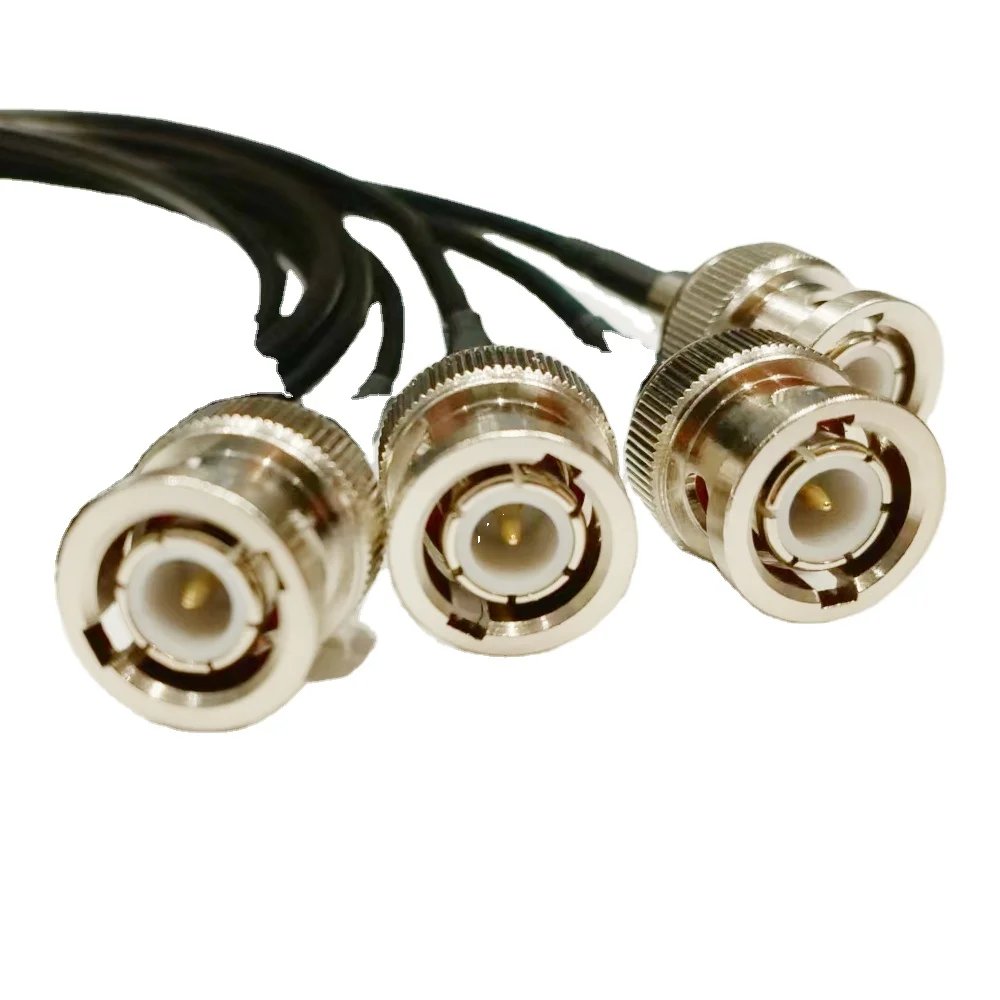
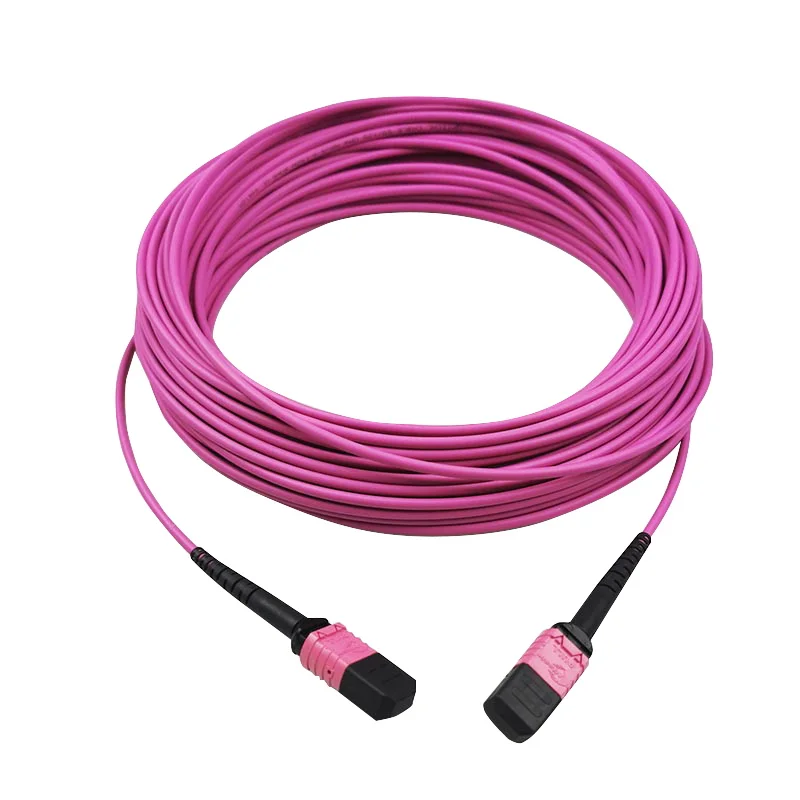
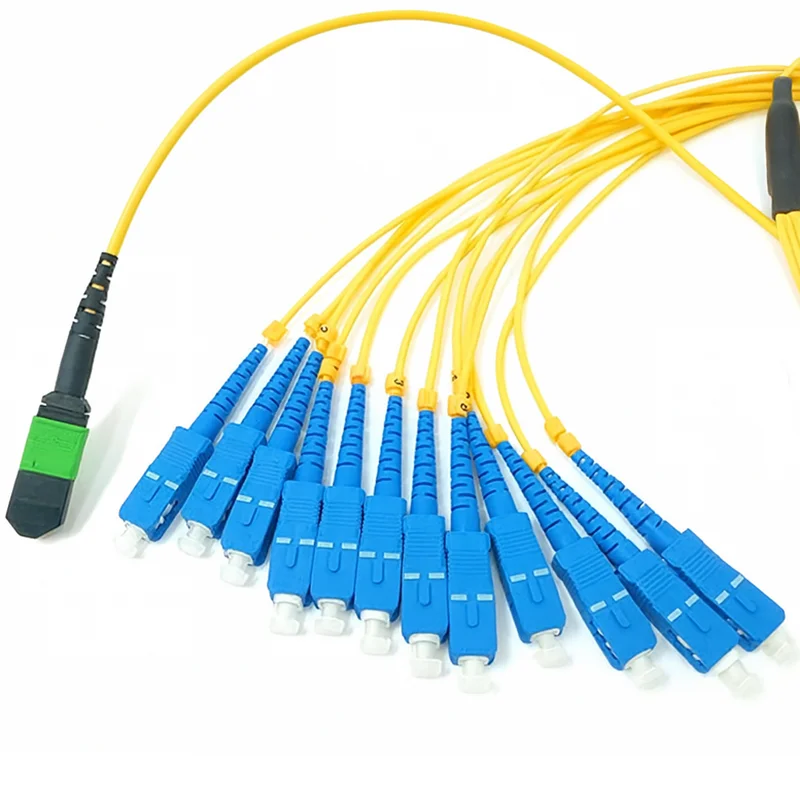
Q: What’s the most common point of failure in these deployments? A: Experience points to two areas: first, incompatible or substandard fiber optic cables and connectors between the BBU and RRU, causing intermittent signal loss. Second, inadequate cooling or power supply to the BBU cabinet in non-climate-controlled environments, leading to thermal throttling or hardware failure.
Q: How do you test the system before going live? A: Beyond basic link tests, a pre-launch “soak test” is essential. This involves running the network under simulated load for an extended period (24-48 hours) while monitoring for error rates, latency spikes, and hardware temperatures. It’s also critical to verify failover scenarios, like what happens if one RRU goes offline.
Q: Is the base6630 radio2219 hardware future-proof for 5G? A: It’s primarily a 4G/LTE platform. While it can handle some 5G New Radio (NR) workloads in certain configurations, it is not a native, high-capacity 5G baseband unit. For new deployments where 5G performance is a requirement, a dedicated 5G BBU should be evaluated. The 6630 remains an excellent, stable workhorse for dedicated 4G/LTE private networks.
Q: What about software licensing and management? A: This is a frequently overlooked cost. The hardware is one part; the network management software licenses, feature unlocks (like advanced scheduling or carrier aggregation), and potential support contracts from the OEM are ongoing operational expenses that must be budgeted for from the start.