(1).png?w=2643&h=1585)
If you’ve ever ordered a critical network component online, only to receive a box with a cryptic part number and zero context, you know the feeling. It’s a common scenario in the B2B telecom equipment space, where product listings often assume a level of institutional knowledge that buyers—especially those managing global e-commerce logistics or diversifying into infrastructure—might not possess. The search for terms like “RRU BBU baseband6630 radio2219” isn’t just about identifying a part; it’s a symptom of a deeper need to understand the ecosystem you’re buying into, its dependencies, and the operational risks of getting it wrong.
This isn’t about theory. It’s about the practical reality of sourcing, integrating, and maintaining the physical layer of modern connectivity.

Decoding the Acronyms: RRU and BBU in Plain Terms
Let’s strip away the jargon first. In a cellular base station, the system is typically split into two main physical units. The Remote Radio Unit (RRU) is the part you often see mounted high on a tower or a building facade. Its job is straightforward: it contains the power amplifiers and filters that take the digital signal, convert it to radio waves, and blast it out over the air. It’s the muscle, dealing with the analog world of frequency and transmission.
The Baseband Unit (BBU), on the other hand, is the brains. It’s usually housed in a sheltered cabinet at the base of the tower or in a nearby equipment room. The BBU performs the complex digital signal processing: encoding, decoding, modulation, and error correction. It handles the intelligence of the network, managing traffic, allocating resources, and interfacing with the core network.
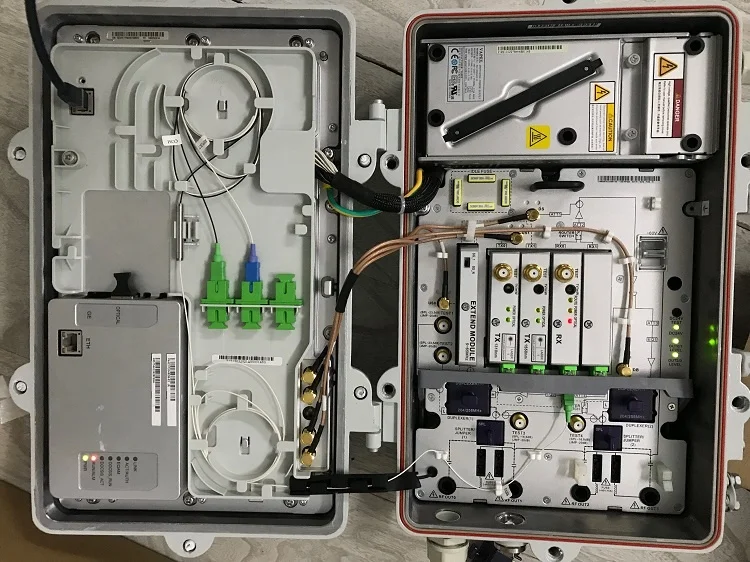
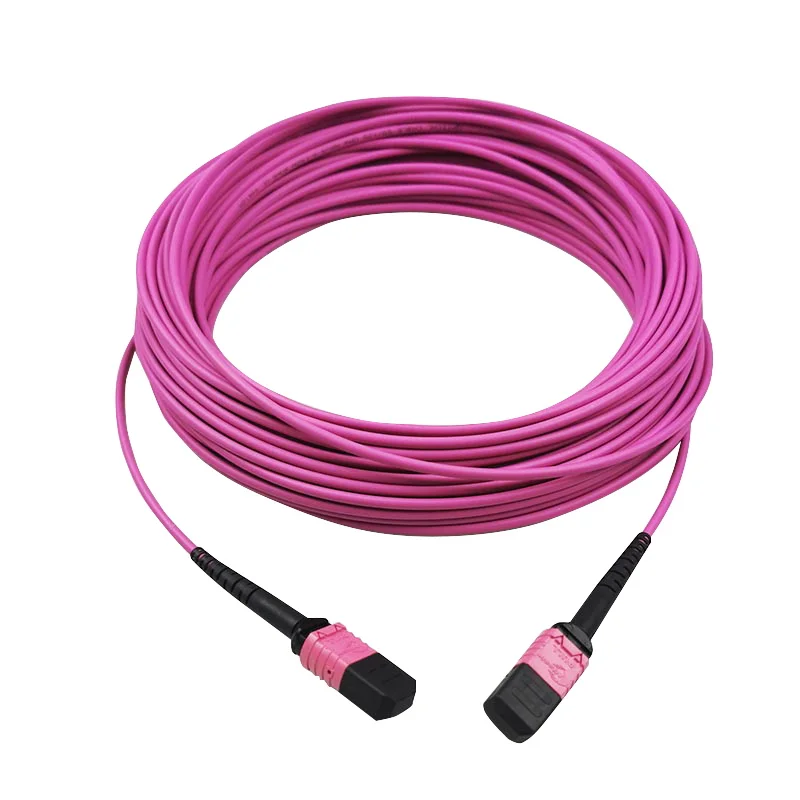
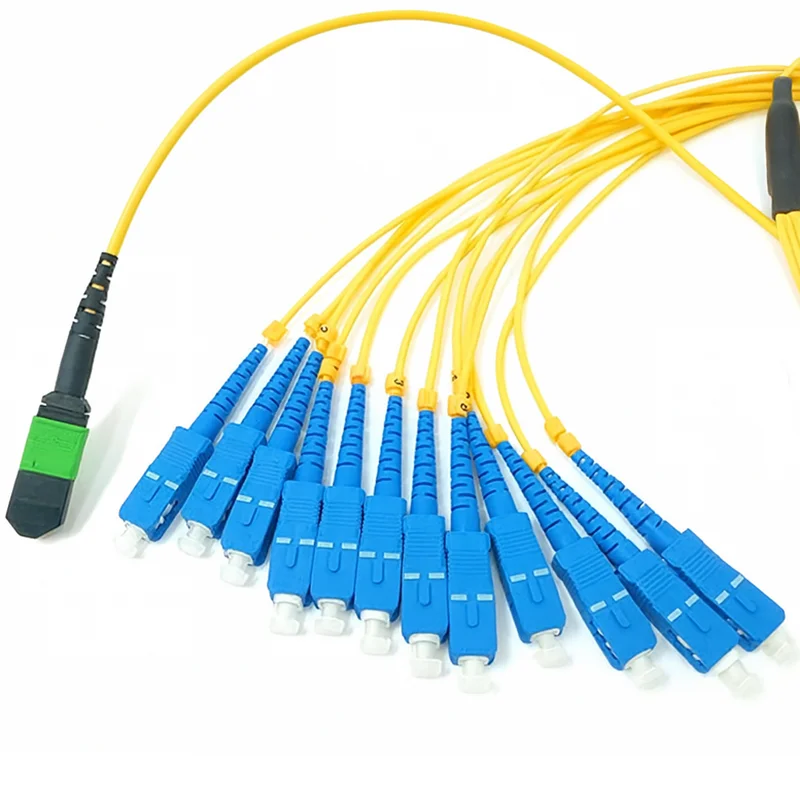
The relationship is a partnership. The RRU and BBU are connected by fiber optic cables, carrying the digitized radio signal between them. This split architecture, known as Cloud RAN (C-RAN) or Distributed RAN (D-RAN), offers flexibility. Operators can centralize multiple BBUs for easier maintenance and resource pooling, while RRUs remain distributed for coverage.
Where the “Baseband6630” and “Radio2219” Fit In
This is where specific part numbers enter the chat. They are not generic terms; they are model identifiers from a specific manufacturer’s portfolio. In this case, they refer to components within the Ericsson radio access network product line.
The Baseband 6630 is a specific BBU board. Think of it as a specific generation of the “brains,” with defined processing capabilities, supported protocols (like 4G LTE or 5G NR), and capacity limits. Sourcing a 6630 isn’t just about finding any BBU; it’s about finding the exact hardware that is compatible with the surrounding system—the specific shelf it slots into, the software it runs, and the RRUs it can communicate with.
The Radio 2219 is a specific RRU model. It defines the frequency bands it supports (crucial for regional compliance), its output power, and its physical connectors. Pairing a Radio 2219 with a non-compatible BBU is a guaranteed path to a non-functional, expensive paperweight.
The search for “baseband6630 radio2219” together suggests a user is likely looking for a matched pair or verifying compatibility for a replacement, expansion, or disaster recovery scenario. They aren’t buying a consumer gadget; they are procuring a critical, interdependent piece of network infrastructure.
The Real-World Procurement Puzzle
In an operational context, understanding these components is only half the battle. The other half is sourcing them reliably. A global e-commerce buyer for a telecom integrator or a network operator in an emerging market faces a minefield.
Compatibility is King: The assumption that “Ericsson BBU 6630 works with Ericsson RRU 2219” is dangerous. There are firmware versions, software licenses, and auxiliary hardware (like power modules and interface cards) that must align. We’ve seen instances where a seemingly identical spare part, sourced from a different region, refused to synchronize due to a subtle firmware mismatch, causing days of network downtime.
The Gray Market and Legacy Support: Much of this equipment is traded on a secondary market as networks evolve. A base6630 radio2219 might be a sought-after combination for maintaining a 4G network while delaying a full 5G overhaul. However, buying these components requires trust. Is the unit refurbished or new-old-stock? Is it genuine, or a clever counterfeit? The operational risk of a counterfeit failing in a remote location can be catastrophic.
Logistics and Compliance: These are not lightweight items. They are sensitive electronic devices requiring careful shipping. Furthermore, radio equipment like the RRU is subject to strict regional type-approval and licensing. Importing a Radio 2219 meant for the European market into a country with different frequency allocations is a regulatory and technical dead end.
This is where a specialized B2B supplier becomes more than a vendor; they become a partner in risk mitigation. A supplier that provides clear compatibility matrices, offers firmware version details, and understands the export/import landscape for telecom gear adds immense value. For instance, a company like Boxin Telecom, which explicitly lists these specific part numbers, is catering to this exact need for precision in a complex market. Their role isn’t just to sell a base6630 radio2219; it’s to provide the certainty that the component will work as intended within an existing, live network.
Beyond the Purchase: Integration and Obsolescence
Finding the right part is one challenge; deploying it is another. Integrating a new BBU or RRU into an operational network often requires specialized software tools for configuration and commissioning, which are typically locked behind vendor licenses. It also requires skilled RF and transmission engineers. The “plug-and-play” dream rarely materializes in telecom infrastructure.
Furthermore, planning for the lifecycle is crucial. The Baseband 6630 platform represents a specific technological generation. Investing in it today means understanding its upgrade path, its power efficiency compared to newer models, and its eventual end-of-support date. Strategic procurement balances immediate needs with future-proofing, a calculus that varies wildly between a dense urban network upgrade and a rural coverage project.
FAQ
Q: I need to replace a faulty unit in my base station. Is finding the exact part number enough? A: Not quite. The part number is the essential first step, but you must also verify the hardware version, the required firmware, and the compatibility with the other units in your baseband pool. Always consult the vendor’s official compatibility documentation or work with a supplier who can provide that assurance.
Q: Can I mix and match RRUs and BBUs from different manufacturers? A: Generally, no. The interface between the RRU and BBU (often using the CPRI or eCPRI protocol) is highly proprietary. While Open RAN initiatives are working to change this, the vast majority of deployed networks today require matched vendor equipment for the RRU and BBU to communicate effectively.
Q: Why is this equipment so expensive, even on the secondary market? A: This is highly specialized, industrial-grade hardware built for continuous operation in harsh environments. It incorporates advanced signal processing chipsets and RF components. Its value is tied to the critical network capacity it provides. Downtime costs for operators are enormous, making reliable hardware worth the investment.
Q: What are the biggest risks when sourcing these components online? A: The top three risks are: 1) Receiving counterfeit or remarked components that fail prematurely. 2) Incompatibility due to unstated firmware or version differences. 3) Lack of regulatory certification for the target market, leading to legal and operational blocks.
Q: Our company is expanding into network infrastructure. Should we stock these parts? A: It depends on your service level agreements and typical response times. Holding critical spares like a base6630 radio2219 can drastically reduce mean-time-to-repair for your customers. However, you must factor in capital tie-up, the risk of technological obsolescence, and the need for secure, climate-controlled storage. Many firms opt for guaranteed rapid-shipment agreements with trusted distributors instead.