(1).png?w=2643&h=1585)

It’s easy to think of e-commerce as a world of sleek apps, clever marketing algorithms, and seamless payment gateways. The customer clicks “buy,” and a package arrives. The reality, however, is that this digital transaction is underpinned by a vast, physical network—a symphony of hardware most businesses never see. When a mobile user loads your product page on a 5G connection, a chain of specialized equipment springs into action. At the heart of this chain for modern mobile networks are two critical components: the Remote Radio Unit (RRU) and the Baseband Unit (BBU). Understanding why they are needed, particularly in configurations like an RRU paired with a BBU 6630, reveals the unsung engineering that keeps global online commerce running.
From Click to Carrier: The Non-Negotiable Demand for Bandwidth
Consider a peak sales period, like Black Friday. A regional warehouse’s operations rely on hundreds of employees using handheld scanners connected via private cellular networks. Simultaneously, thousands of customers in the area are browsing and buying from their phones. The local cell tower is under immense strain. This is where the architecture of RRUs and BBUs becomes critical.
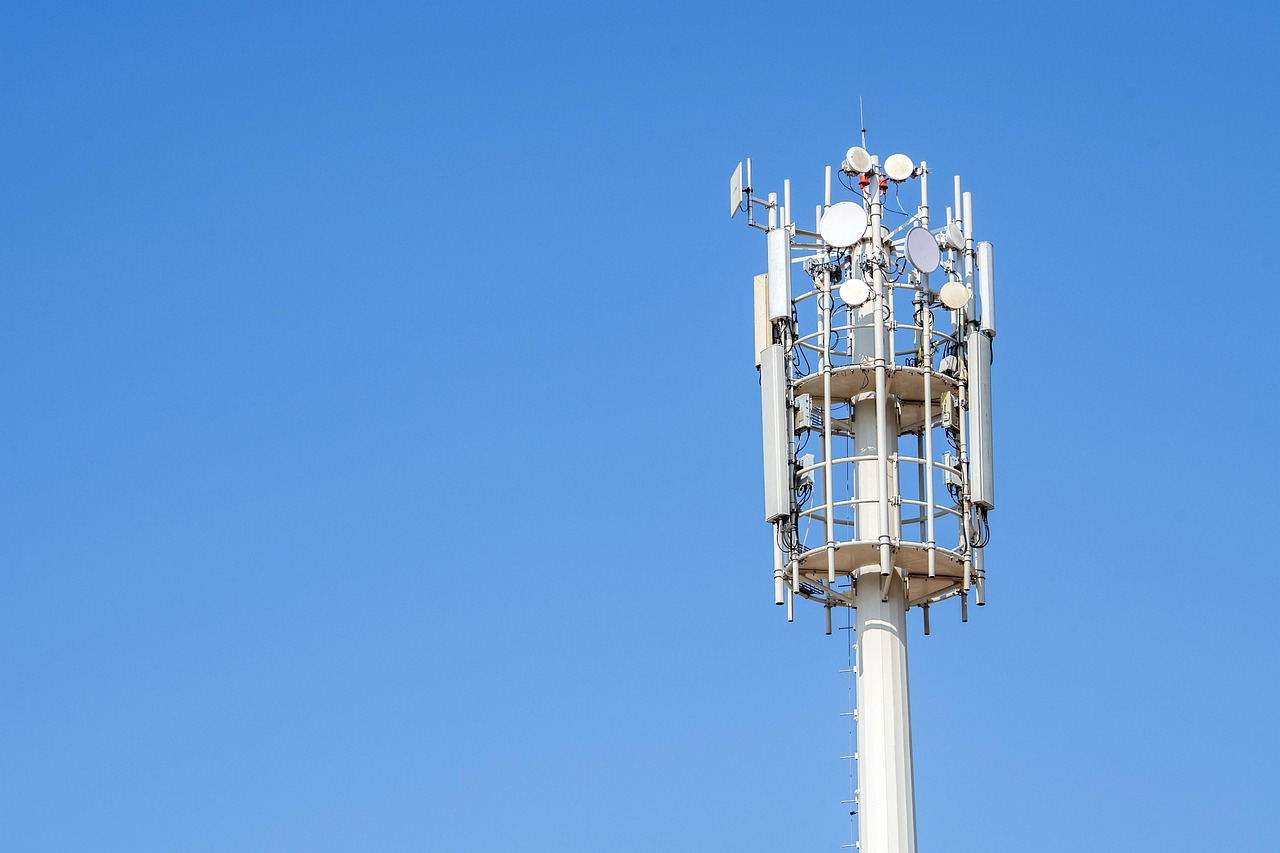
The RRU is the part of the cell site you can often see—the rectangular box near the antennas. Its job is pure analog: it transmits and receives radio signals to and from user devices. It handles the amplification and conversion of signals but does little processing. The heavy computational lifting—encoding, decoding, error correction, and interfacing with the core network—is done by the Baseband Unit. By separating these functions, network operators gain flexibility. Multiple RRUs, serving different sectors or frequency bands, can be connected to a centralized, more powerful BBU. This separation, central to Cloud RAN (C-RAN) architectures, allows for more efficient resource pooling and easier network upgrades.
The need for a specific component like a base6630 radio2219 arises during network densification or modernization. Perhaps an operator is upgrading a site to handle more 5G traffic without a full site rebuild. They might need a specific, compatible baseband board to process the increased data flow from new RRUs. This isn’t about buying the shiniest new tech; it’s about precise, backward-compatible replacement or expansion to maintain service continuity. A failure in this layer doesn’t mean a website goes down; it means a specific geographic area experiences severe latency or dropped connections during checkout—a direct revenue killer.
The Supply Chain Reality: Sourcing Specialized Hardware
For an e-commerce company building its own logistics or warehouse network, or for a telecom provider serving them, procuring this equipment is a unique challenge. This isn’t consumer electronics. Specific part numbers, like BBU 6630, correspond to exact form factors, software compatibility, and power requirements within a vendor’s ecosystem. Sourcing these from the original manufacturer can be slow and costly, especially for older but still-critical hardware.
This is where specialized B2B suppliers become part of the operational workflow. A team might need a reliable source for a base6630 radio2219 to repair a failing node in a warehouse’s private network. The priority isn’t a flashy sales page; it’s verification of authenticity, clear specifications, and a straightforward process for managing quotes, shipping, and customs duties—the logistical hurdles of global trade. The product page context clearly indicates this B2B focus, catering to professionals who need a specific part to restore capacity, not an explanation of what 5G is.
The Ripple Effect on User Experience
The connection between this hardware and an e-commerce cart is indirect but profound. Network congestion or hardware failure at the RRU/BBU level manifests to the end-user as a spinning loading icon, a failed payment submission, or an “inventory not updating” error. For the business, it translates to abandoned carts and eroded trust. Performance monitoring dashboards might show a traffic dip from a specific mobile carrier in a specific city—an anomaly that, after investigation, could be traced back to a baseband processing bottleneck at a key cell site.
Upgrading to a more capable baseband unit, such as a BBU 6630, can be a targeted intervention. It increases the site’s capacity to handle more simultaneous data sessions with lower latency. For the end customer, this means the product video loads instantly, the “Place Order” button responds without delay, and the order confirmation appears reliably. In hyper-competitive e-commerce, these micro-moments of reliability are a tangible competitive advantage.
Beyond the Hype: A Pragmatic View on Network Evolution
The industry’s push towards Open RAN and fully virtualized networks promises a future where hardware is less proprietary. However, the global installed base of existing infrastructure is massive and will be in operation for years, if not decades. The need for reliable, compatible components like specific RRUs and BBUs isn’t disappearing; it’s evolving. Maintenance, spare part inventories, and phased upgrades are the day-to-day reality for network operators that support our digital economy.
Therefore, the question of “why need” is answered by looking at constraints: budget constraints that prevent full site replacements, technical constraints of legacy systems, and the business constraint of requiring 100% uptime. Deploying a base6630 radio2219 might be the most operationally sensible step to extend a network’s life and performance, ensuring that the invisible pipeline between a customer’s desire and a fulfilled order remains wide open.
FAQ
Q: As an e-commerce business owner, why should I care about cellular network hardware? A: You care about your site’s uptime and speed for mobile shoppers, which can constitute over 70% of traffic. While you don’t manage the hardware, understanding that mobile network quality depends on this physical layer helps you diagnose issues. If you see consistent performance drops from users on a specific carrier in a region, the root cause could be network infrastructure needing an upgrade, which suppliers support.
Q: Is this equipment only for large telecom companies? A: Not exclusively. Large enterprises setting up smart warehouses, ports, or manufacturing facilities are increasingly deploying private 4G/5G networks for IoT and logistics. These private networks use the same fundamental RRU/BBU architecture, creating a B2B market for the components.
Q: What’s the biggest risk when sourcing this type of equipment? A: Compatibility and authenticity. The risk is procuring a part that is not software-compatible with the existing system or is a counterfeit that fails prematurely. This is why reputable B2B suppliers emphasize original packaging, clear part numbers, and technical specifications over marketing fluff.
Q: How does the move to 5G change the need for RRUs and BBUs? A: 5G often requires denser networks with more cell sites and higher-capacity backhaul. This increases the number of RRUs (including new, massive MIMO types) and demands more powerful BBUs with greater processing capacity to handle the data throughput and network slicing features. Upgrading the baseband unit is often a prerequisite for a 5G radio upgrade.
Q: Can’t this all just be done in the cloud now? A: The concept of Cloud RAN moves the baseband processing to a centralized data center. However, this still requires standardized hardware (often called “disaggregated” RRUs and BBUs) at the cell site and the centralized location. The physical layer of radios and their immediate controllers remains essential; the architecture just changes where the BBU’s processing physically occurs.
It’s easy to think of e-commerce as a world of sleek apps, clever marketing algorithms, and seamless payment gateways. The customer clicks “buy,” and a package arrives. The reality, however, is that this digital transaction is underpinned by a vast, physical network—a symphony of hardware most businesses never see. When a mobile user loads your product page on a 5G connection, a chain of specialized equipment springs into action. At the heart of this chain for modern mobile networks are two critical components: the Remote Radio Unit (RRU) and the Baseband Unit (BBU). Understanding why they are needed, particularly in configurations like an RRU paired with a BBU 6630, reveals the unsung engineering that keeps global online commerce running.
From Click to Carrier: The Non-Negotiable Demand for Bandwidth
Consider a peak sales period, like Black Friday. A regional warehouse’s operations rely on hundreds of employees using handheld scanners connected via private cellular networks. Simultaneously, thousands of customers in the area are browsing and buying from their phones. The local cell tower is under immense strain. This is where the architecture of RRUs and BBUs becomes critical.
The RRU is the part of the cell site you can often see—the rectangular box near the antennas. Its job is pure analog: it transmits and receives radio signals to and from user devices. It handles the amplification and conversion of signals but does little processing. The heavy computational lifting—encoding, decoding, error correction, and interfacing with the core network—is done by the Baseband Unit. By separating these functions, network operators gain flexibility. Multiple RRUs, serving different sectors or frequency bands, can be connected to a centralized, more powerful BBU. This separation, central to Cloud RAN (C-RAN) architectures, allows for more efficient resource pooling and easier network upgrades.
The need for a specific component like a base6630 radio2219 arises during network densification or modernization. Perhaps an operator is upgrading a site to handle more 5G traffic without a full site rebuild. They might need a specific, compatible baseband board to process the increased data flow from new RRUs. This isn’t about buying the shiniest new tech; it’s about precise, backward-compatible replacement or expansion to maintain service continuity. A failure in this layer doesn’t mean a website goes down; it means a specific geographic area experiences severe latency or dropped connections during checkout—a direct revenue killer.
The Supply Chain Reality: Sourcing Specialized Hardware
For an e-commerce company building its own logistics or warehouse network, or for a telecom provider serving them, procuring this equipment is a unique challenge. This isn’t consumer electronics. Specific part numbers, like BBU 6630, correspond to exact form factors, software compatibility, and power requirements within a vendor’s ecosystem. Sourcing these from the original manufacturer can be slow and costly, especially for older but still-critical hardware.
This is where specialized B2B suppliers become part of the operational workflow. A team might need a reliable source for a base6630 radio2219 to repair a failing node in a warehouse’s private network. The priority isn’t a flashy sales page; it’s verification of authenticity, clear specifications, and a straightforward process for managing quotes, shipping, and customs duties—the logistical hurdles of global trade. The product page context clearly indicates this B2B focus, catering to professionals who need a specific part to restore capacity, not an explanation of what 5G is.
The Ripple Effect on User Experience
The connection between this hardware and an e-commerce cart is indirect but profound. Network congestion or hardware failure at the RRU/BBU level manifests to the end-user as a spinning loading icon, a failed payment submission, or an “inventory not updating” error. For the business, it translates to abandoned carts and eroded trust. Performance monitoring dashboards might show a traffic dip from a specific mobile carrier in a specific city—an anomaly that, after investigation, could be traced back to a baseband processing bottleneck at a key cell site.
Upgrading to a more capable baseband unit, such as a BBU 6630, can be a targeted intervention. It increases the site’s capacity to handle more simultaneous data sessions with lower latency. For the end customer, this means the product video loads instantly, the “Place Order” button responds without delay, and the order confirmation appears reliably. In hyper-competitive e-commerce, these micro-moments of reliability are a tangible competitive advantage.
Beyond the Hype: A Pragmatic View on Network Evolution
The industry’s push towards Open RAN and fully virtualized networks promises a future where hardware is less proprietary. However, the global installed base of existing infrastructure is massive and will be in operation for years, if not decades. The need for reliable, compatible components like specific RRUs and BBUs isn’t disappearing; it’s evolving. Maintenance, spare part inventories, and phased upgrades are the day-to-day reality for network operators that support our digital economy.
Therefore, the question of “why need” is answered by looking at constraints: budget constraints that prevent full site replacements, technical constraints of legacy systems, and the business constraint of requiring 100% uptime. Deploying a base6630 radio2219 might be the most operationally sensible step to extend a network’s life and performance, ensuring that the invisible pipeline between a customer’s desire and a fulfilled order remains wide open.
FAQ
Q: As an e-commerce business owner, why should I care about cellular network hardware? A: You care about your site’s uptime and speed for mobile shoppers, which can constitute over 70% of traffic. While you don’t manage the hardware, understanding that mobile network quality depends on this physical layer helps you diagnose issues. If you see consistent performance drops from users on a specific carrier in a region, the root cause could be network infrastructure needing an upgrade, which suppliers support.
Q: Is this equipment only for large telecom companies? A: Not exclusively. Large enterprises setting up smart warehouses, ports, or manufacturing facilities are increasingly deploying private 4G/5G networks for IoT and logistics. These private networks use the same fundamental RRU/BBU architecture, creating a B2B market for the components.
Q: What’s the biggest risk when sourcing this type of equipment? A: Compatibility and authenticity. The risk is procuring a part that is not software-compatible with the existing system or is a counterfeit that fails prematurely. This is why reputable B2B suppliers emphasize original packaging, clear part numbers, and technical specifications over marketing fluff.
Q: How does the move to 5G change the need for RRUs and BBUs? A: 5G often requires denser networks with more cell sites and higher-capacity backhaul. This increases the number of RRUs (including new, massive MIMO types) and demands more powerful BBUs with greater processing capacity to handle the data throughput and network slicing features. Upgrading the baseband unit is often a prerequisite for a 5G radio upgrade.
Q: Can’t this all just be done in the cloud now? A: The concept of Cloud RAN moves the baseband processing to a centralized data center. However, this still requires standardized hardware (often called “disaggregated” RRUs and BBUs) at the cell site and the centralized location. The physical layer of radios and their immediate controllers remains essential; the architecture just changes where the BBU’s processing physically occurs.
تسویه موبایل RTT کوتاه میخواهد. زنجیره: آنتن → RRU → فیبر → BBU → هسته. رادیو ضعیف یا باند پایه اشباع یعنی تایماوت، نه فرانتاند.
SLA خردهفروشی یعنی RAN و برق را درست بُعد بدهید. RRU، BBU و ماژول برق میدهیم.
Мобильный checkout требует малый RTT. Цепочка: антенна → RRU → оптика → BBU → ядро. Слабое радио или перегруженная плата даёт таймаут независимо от витрины.
Кто держит SLA ритейла, должен закладывать RAN и питание. Поставляем RRU, BBU и модули питания.