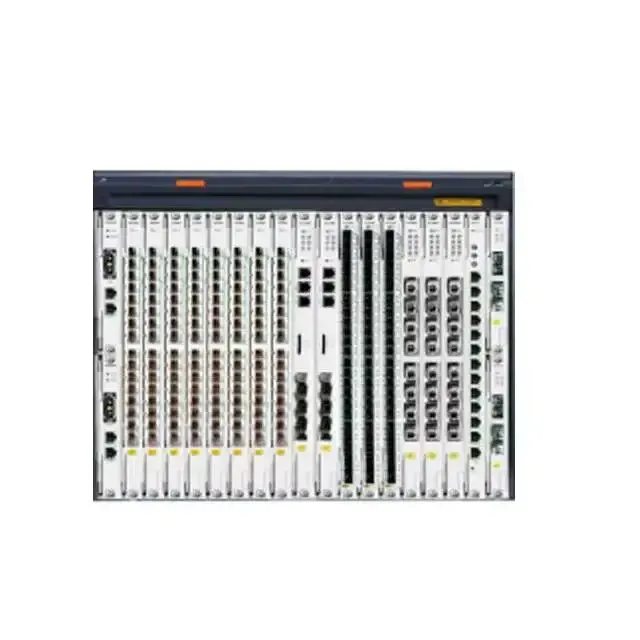
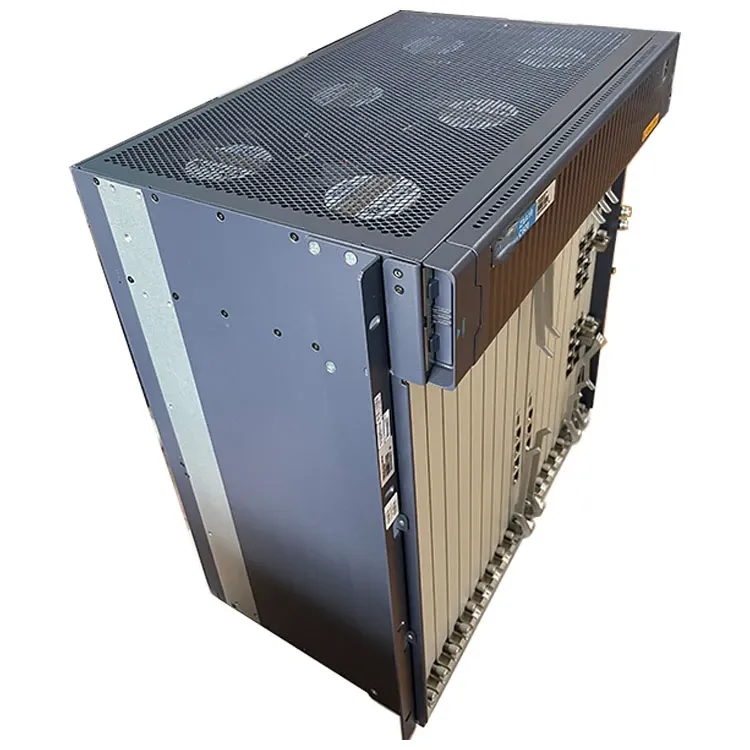
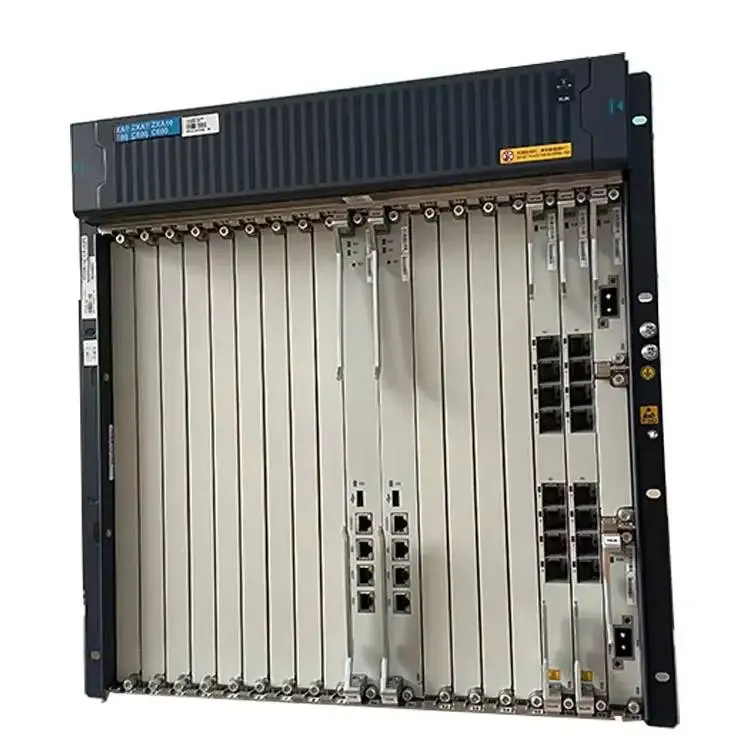
(1).png?w=2643&h=1585)
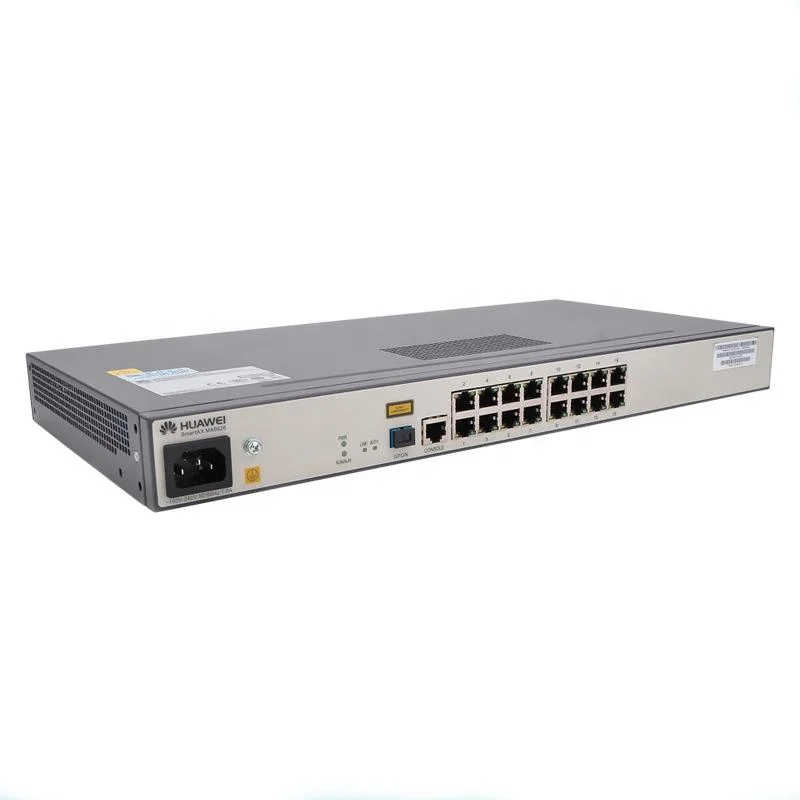
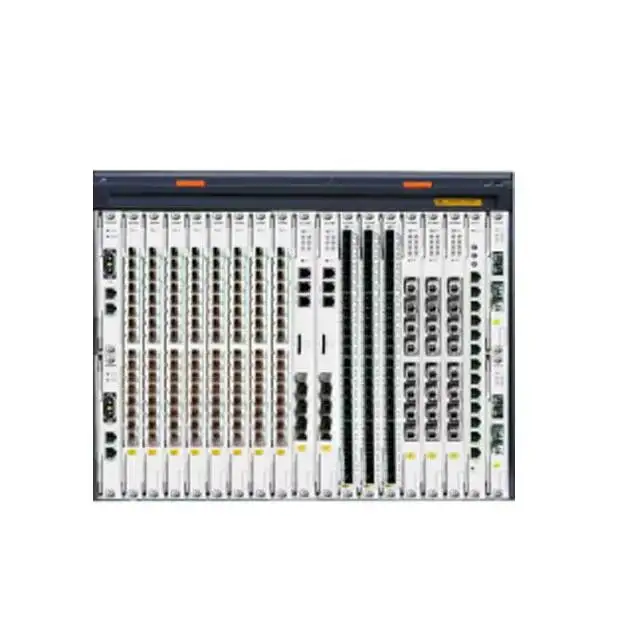
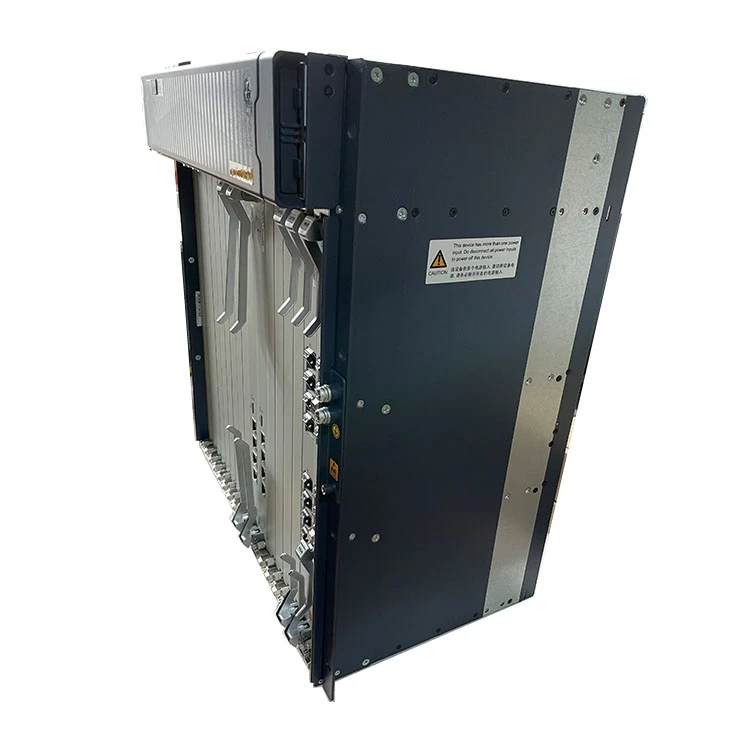
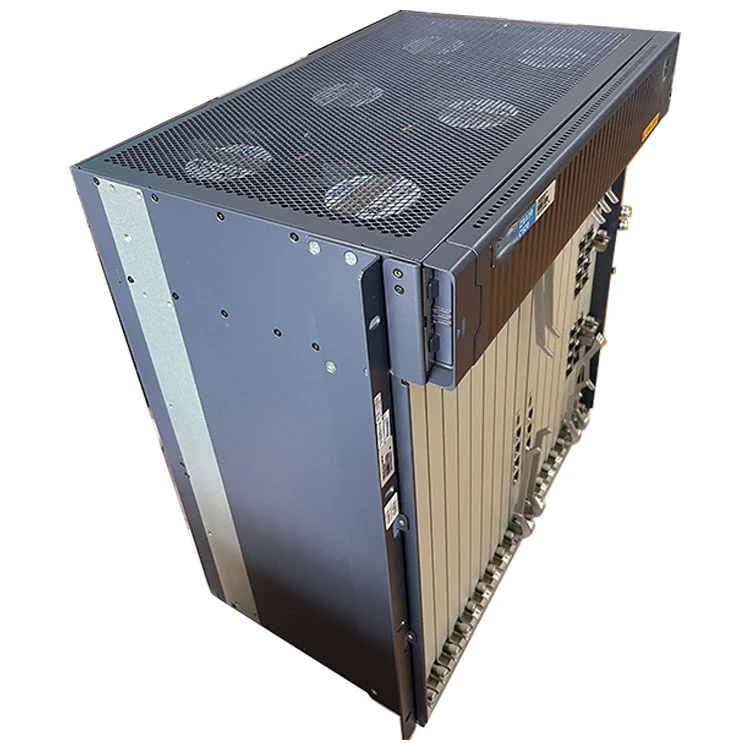
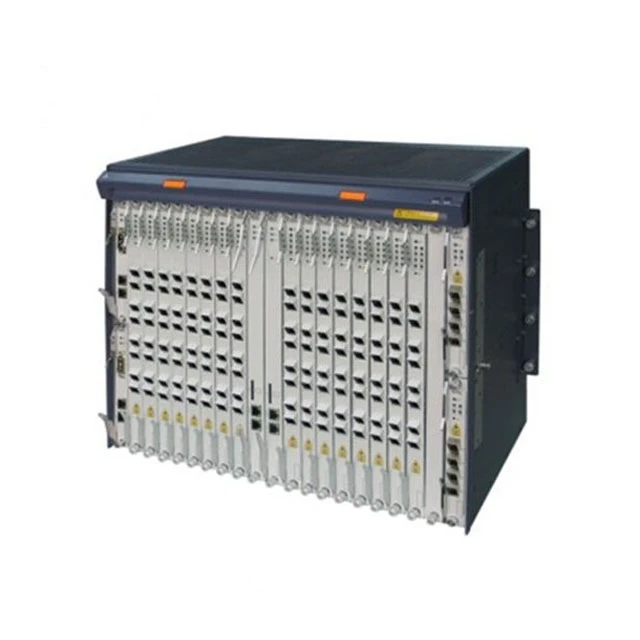
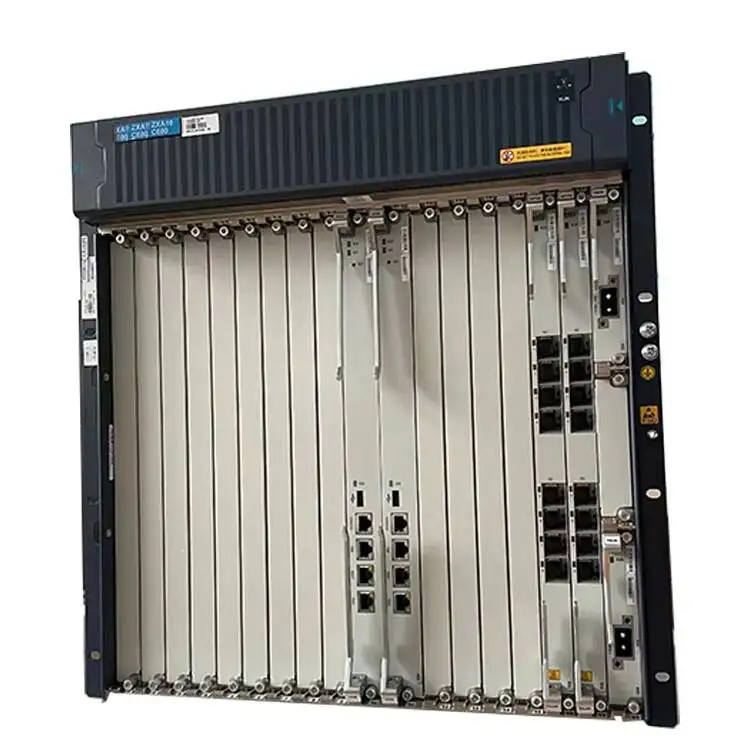
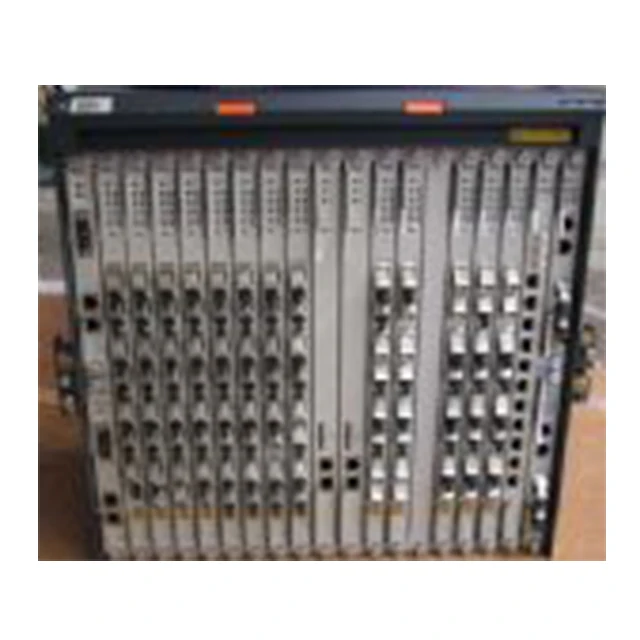
ZXA10 C300 GPON EPON OLT 16 Ports GTGH
ZXA10 C300 GPON EPON OLT 16 Ports GTGH
ZXA10 C300 GPON EPON OLT 16 ports GTGH
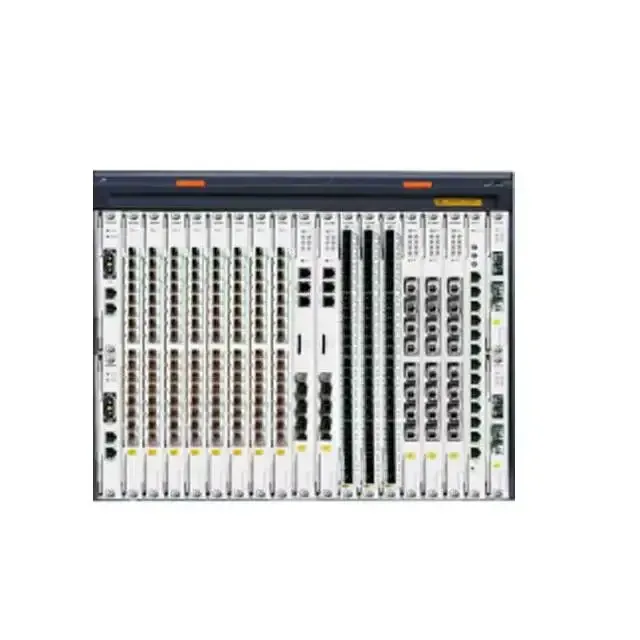
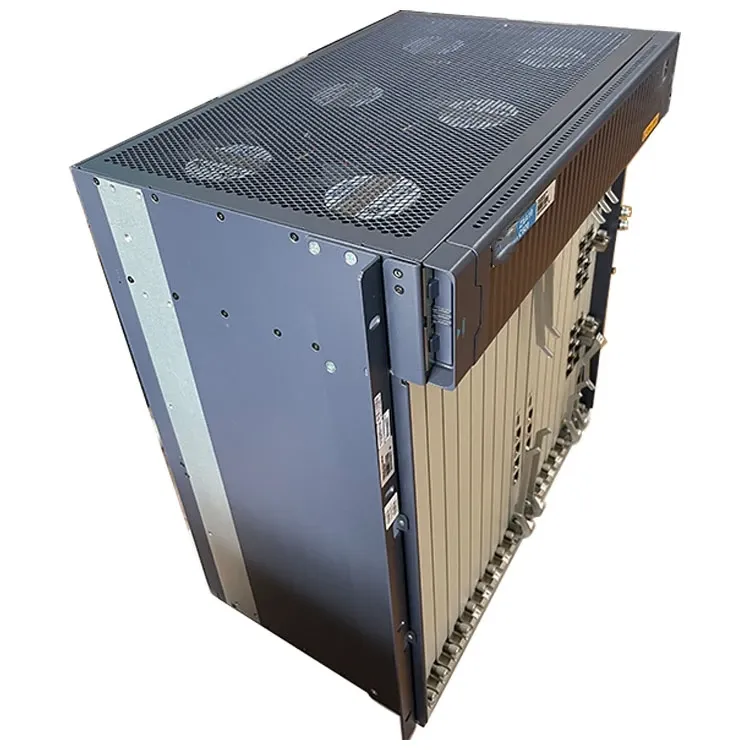
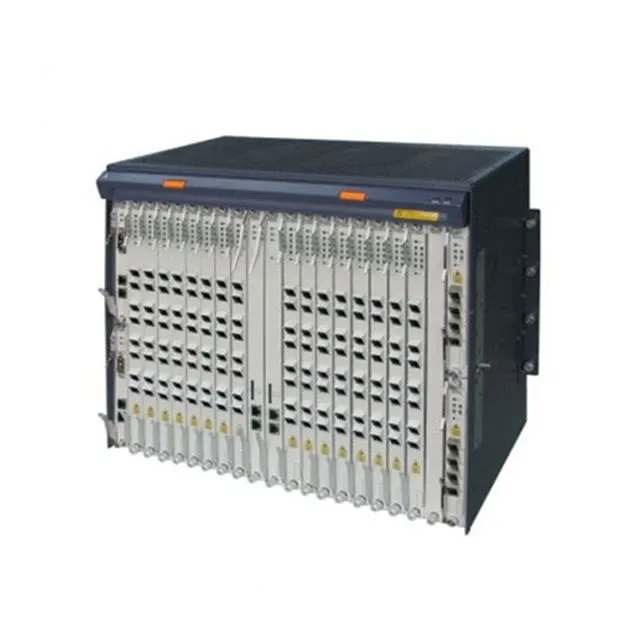
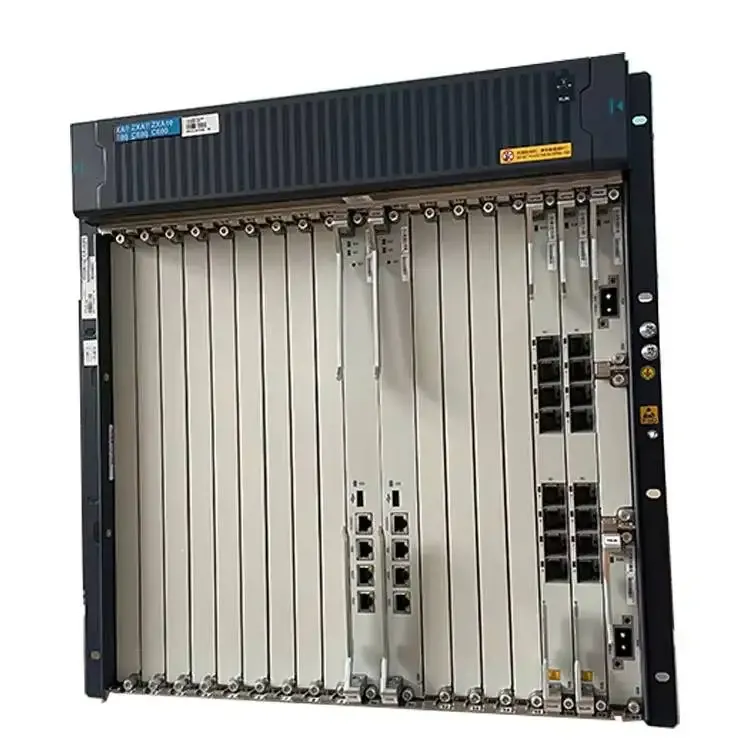
Original OLT ZXA10 C300,OLT Device is a future-proof and high-capability optical access platform, which is a unified platform for GPON, EPON, 10G EPON, PTP, and the smooth migration of XG-PON1, NG-PON2 with a 300mm deep shelf.
Original OLT ZXA10 C300, OLT Device, the world’s first future-proof and largest capacity optical access platform, has been developed with regard to mass optical access roll-out as well as economy.It provides HIS, VoIP, TDM, IPTV, mobile backhaul and other services access.
Telecommunication equipment GPON/EPON OLT ZXA10 C300
1.GPON OLT
2.FTTC / FTTB / FTTH / FTTO / FTTM
3.Ready Stock
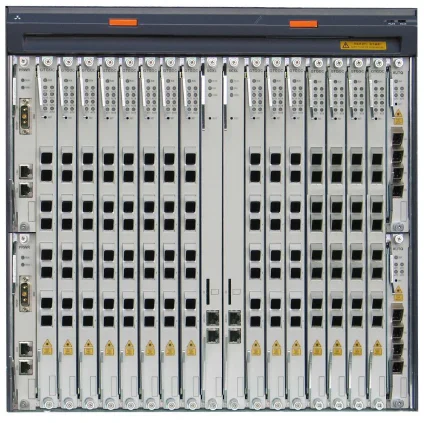
- Large capacity, large density and high performance
Satisfy the demands of evolution, deployment and flattening of networks.Provide series of scenarios with large splitter ratio and long distance.
- Smooth evolution and high protection of networks investment
Unified platform support the EPON/GPON/10G PON/NG PON2/P2P, satisfy the development of full services
- Multi-Play service access platform
Excellent service performances and VLAN/ multicast/ QoS capability; support high bandwidth access of voice/ image/ video; satisfying the demands of network establishing in the time of fiber in and copper out
- Carrier-Class reliability
Support key board redundancy, end-to-end management and maintenance, hot swap and optical link supervisory, etc.
- Green and energy-effective:
Support multiple energy saving mode, lead-free.Every of process are green in product research, production and transportation.
- Trade terms: FOB,CIF,CFR,etc
- Price Terms:T/T,Western Union,Paypal,RMB
- Payment Terms: T/T in advance
- MOQ: 1 pc
- Port: Shanghai
- Lead time: Within 5-45 working days after receipt payment.(According to configuration)
- Shipment: Express, Air, Sea
- Sample availability: Yes (not free)
- Package information: Standard carton package with the original package