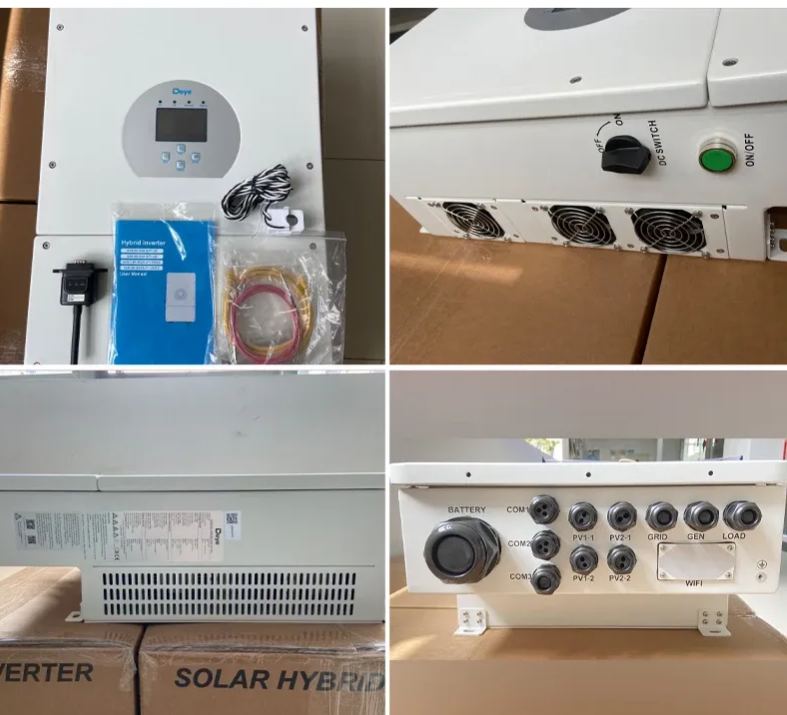
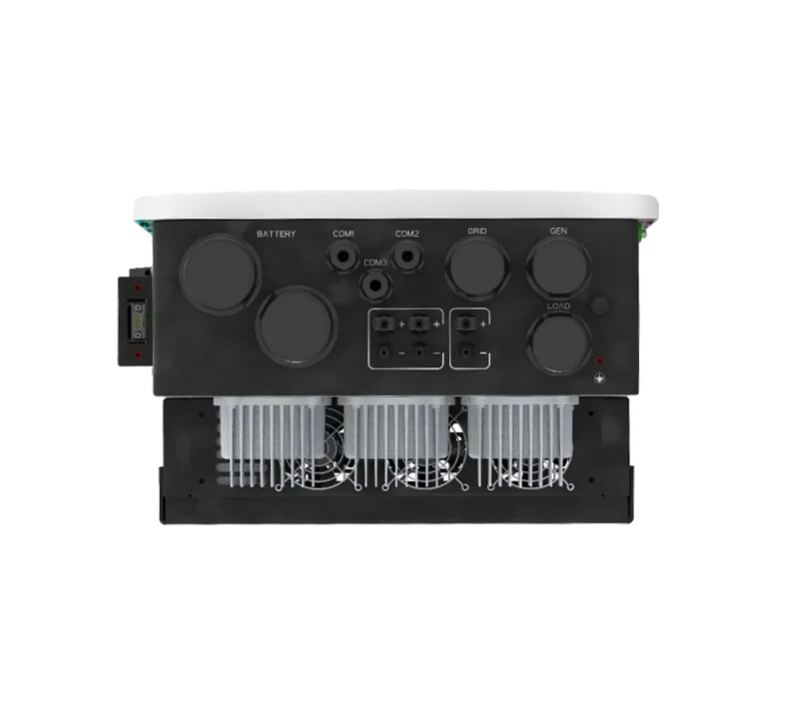
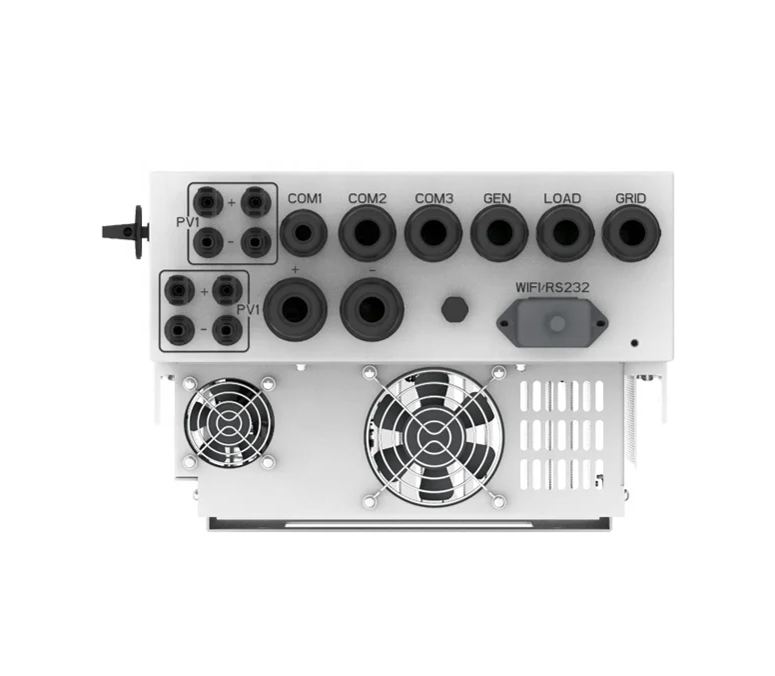
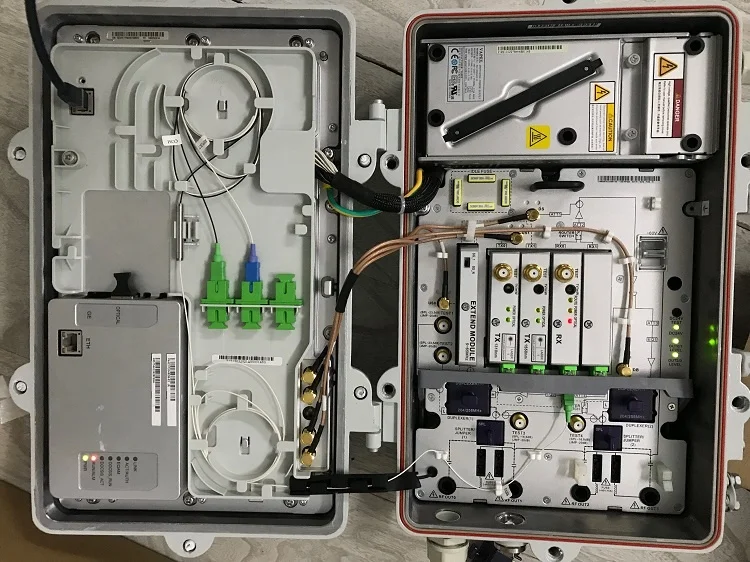
Packaging& Shipping
Packaging & Shipping
| Dimensions (Height *Width* Depth) |
422 mm × 218 mm × 133 mm |
| Weight |
15 kg |
| Package |
Carton Package |
| Selling Units |
Single item |
Hardware Structure
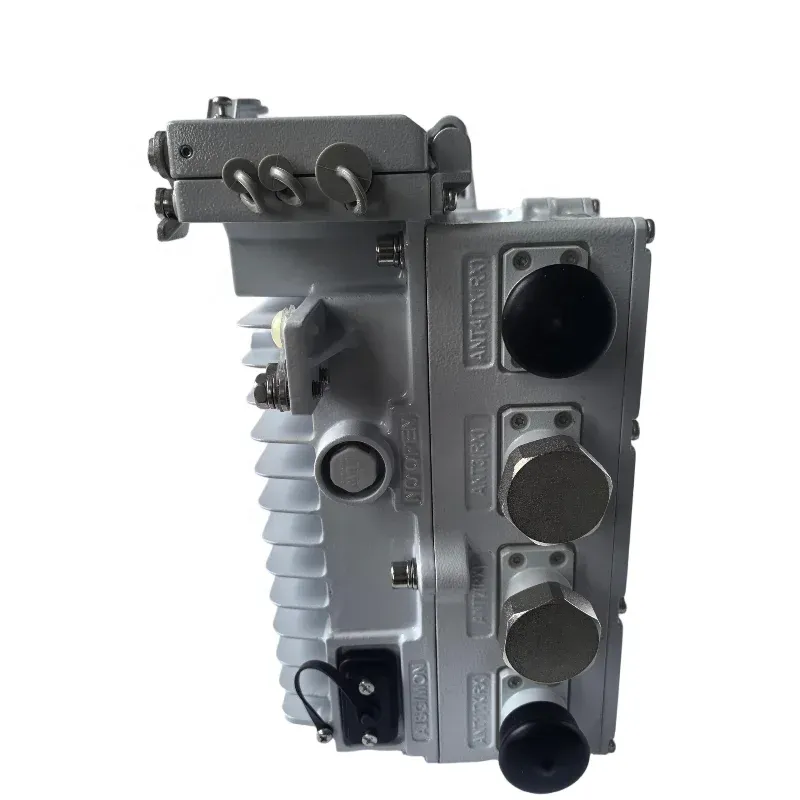
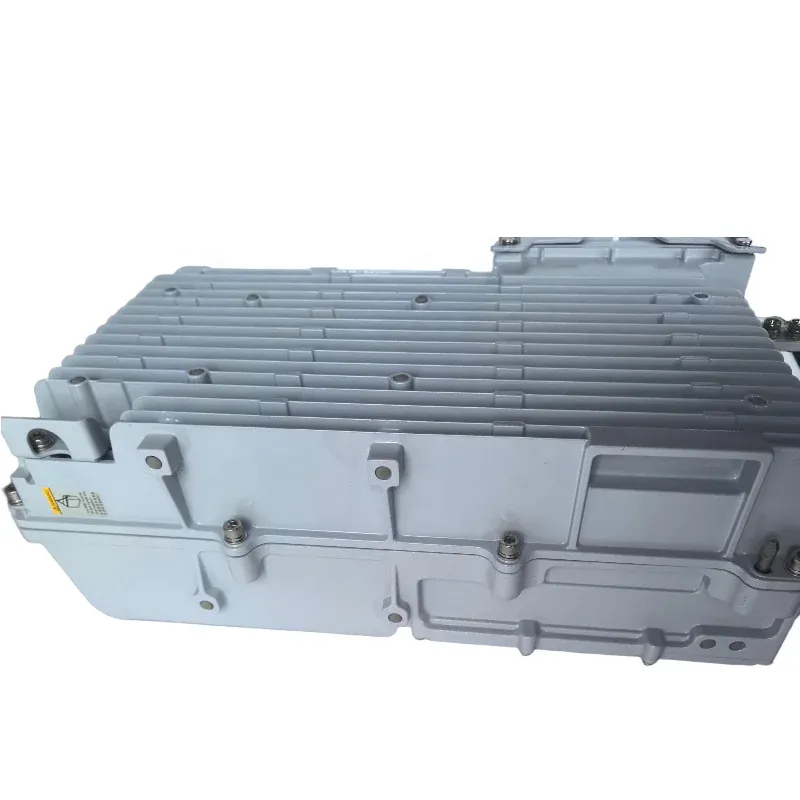
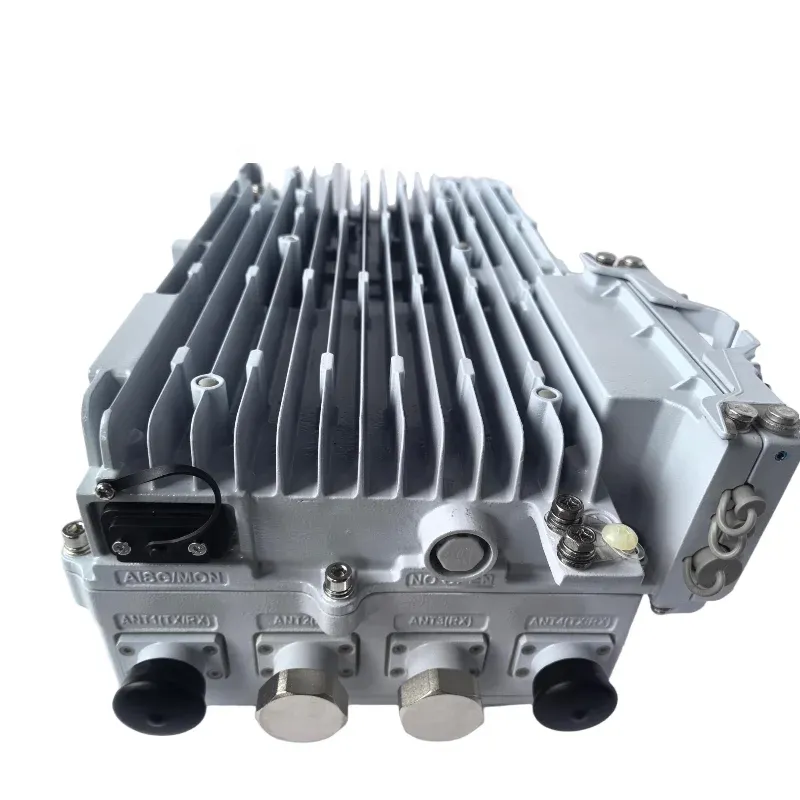
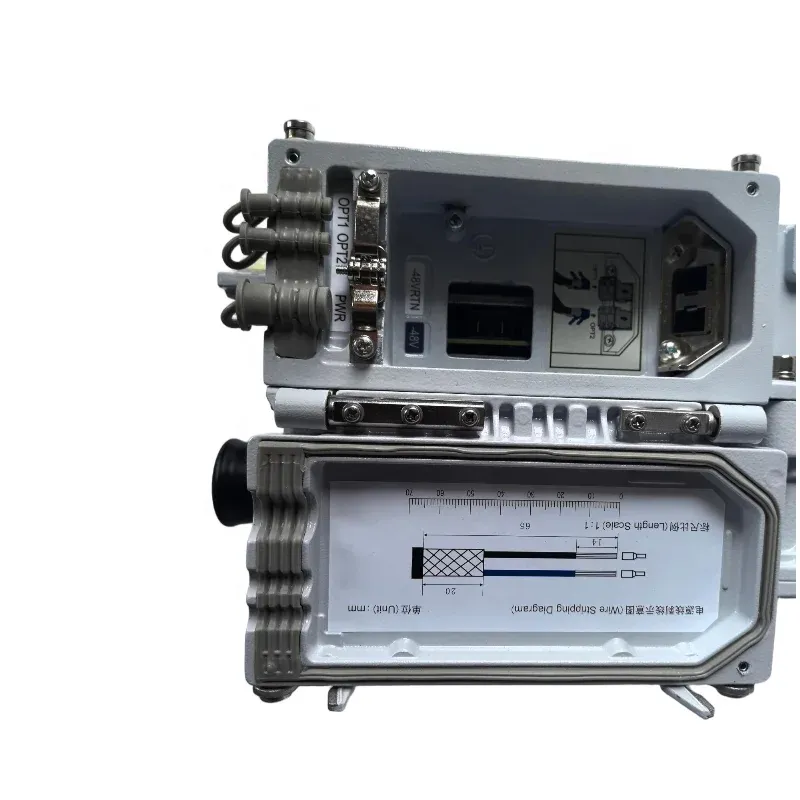
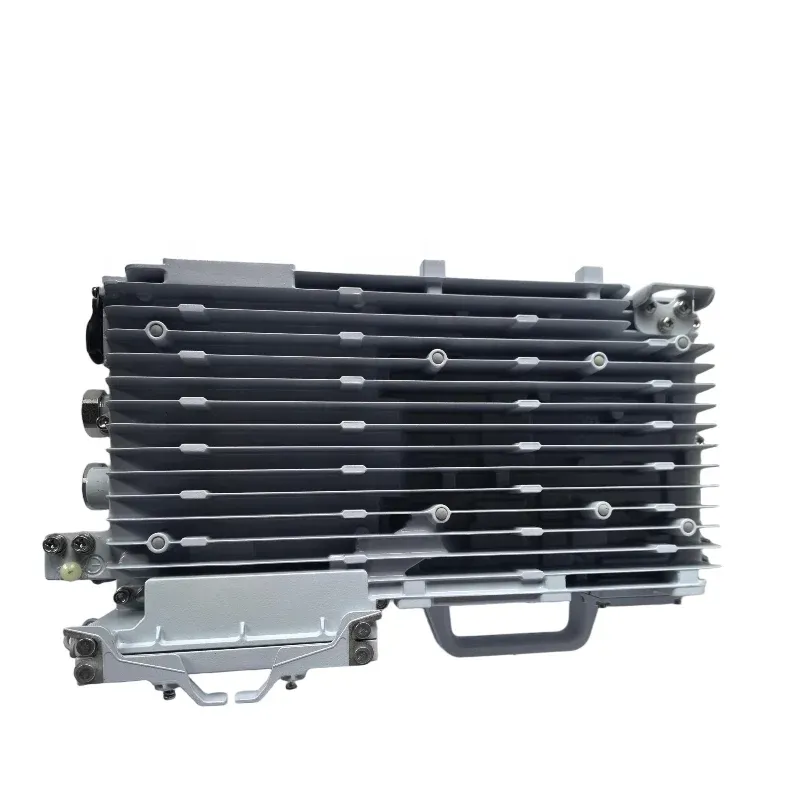
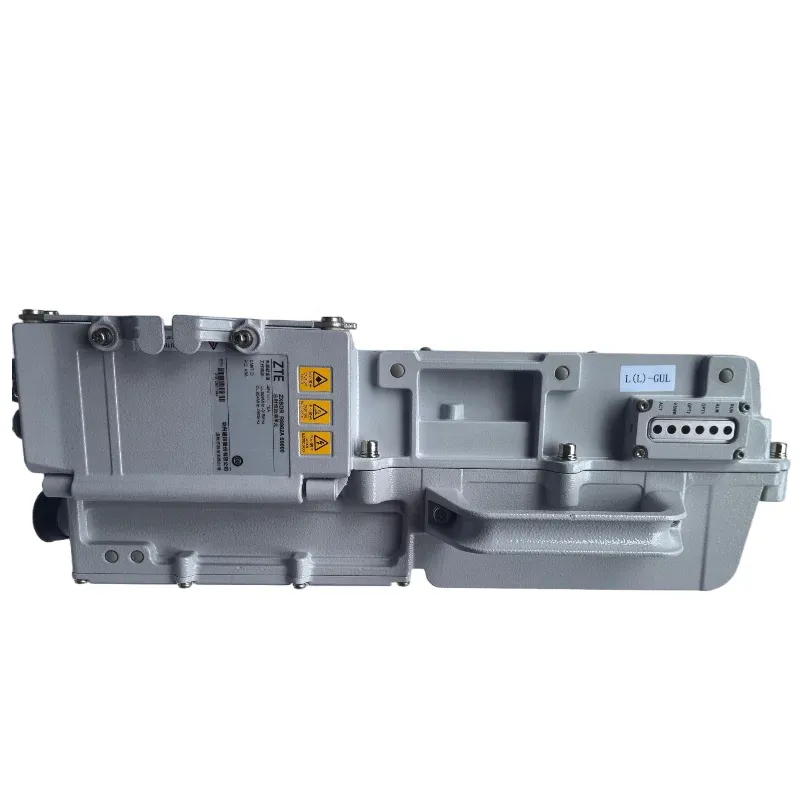
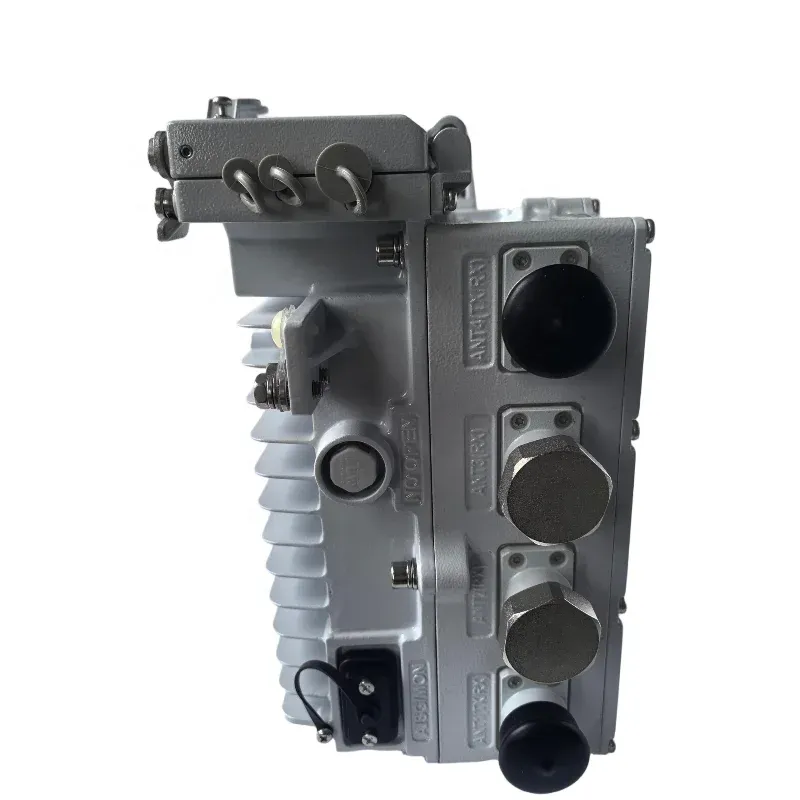
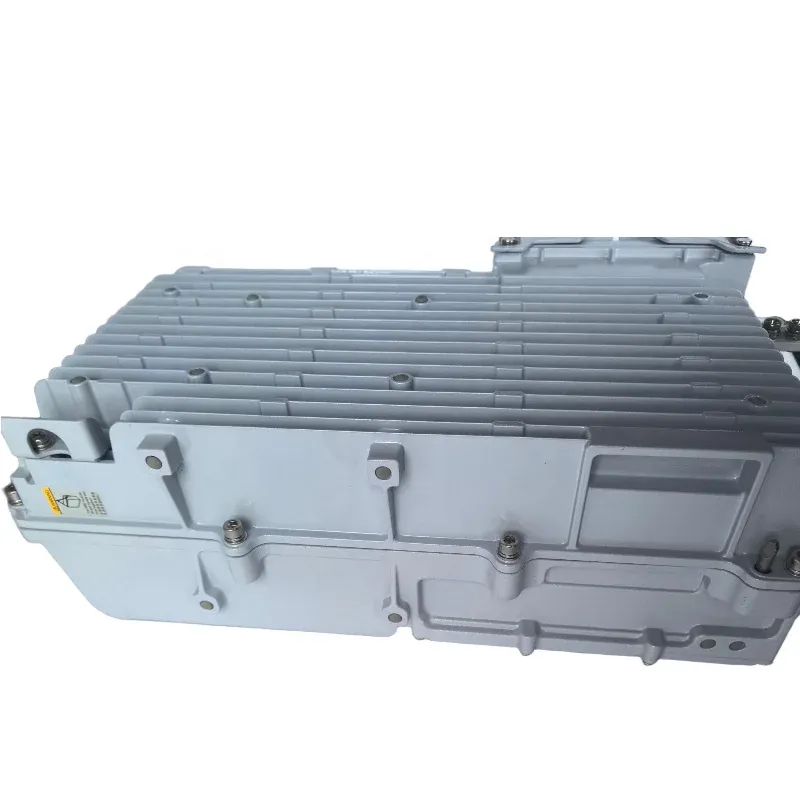
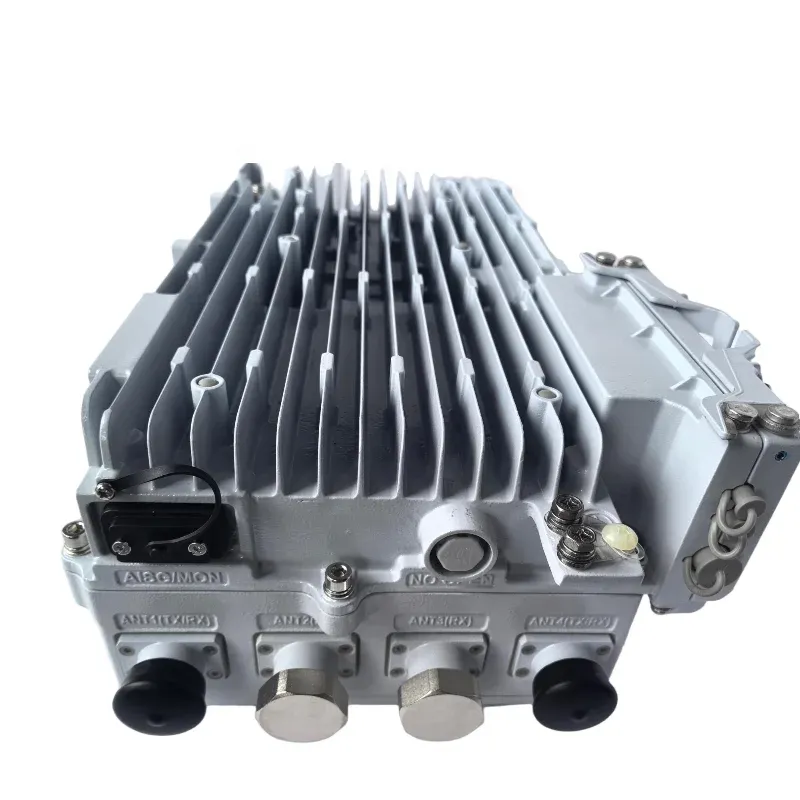
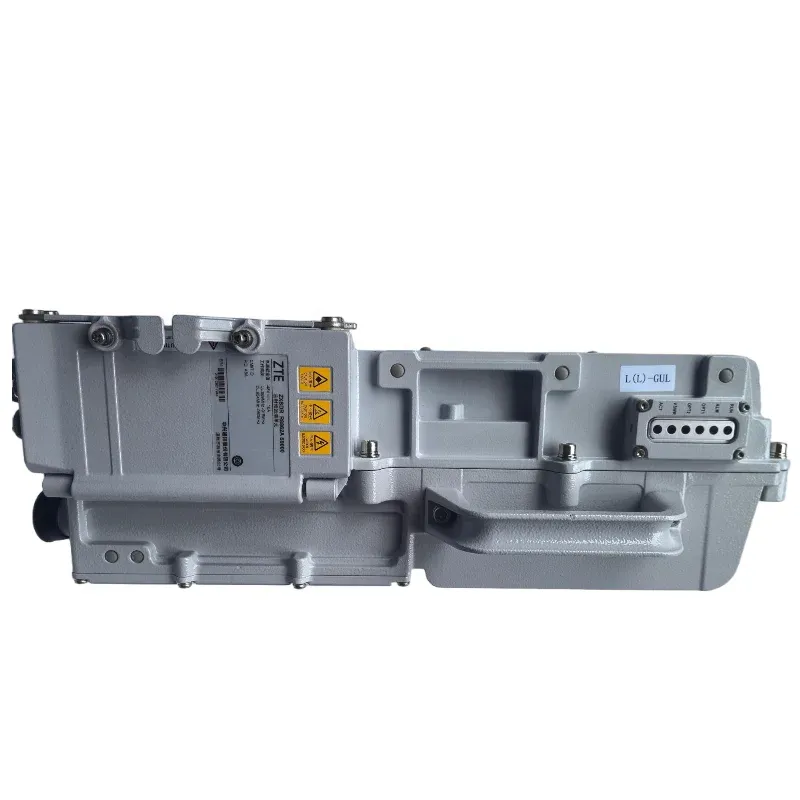
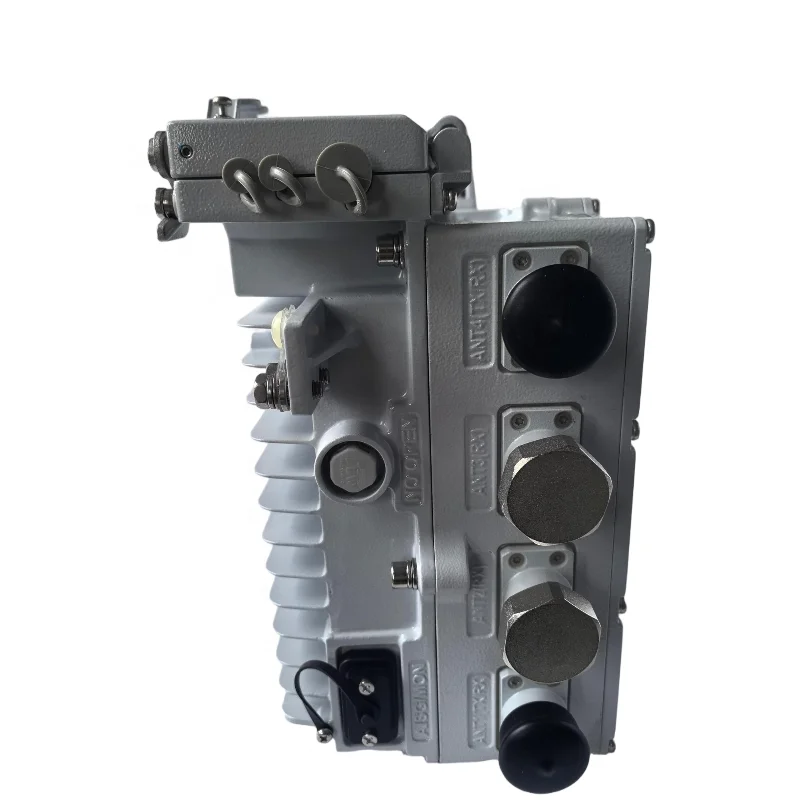
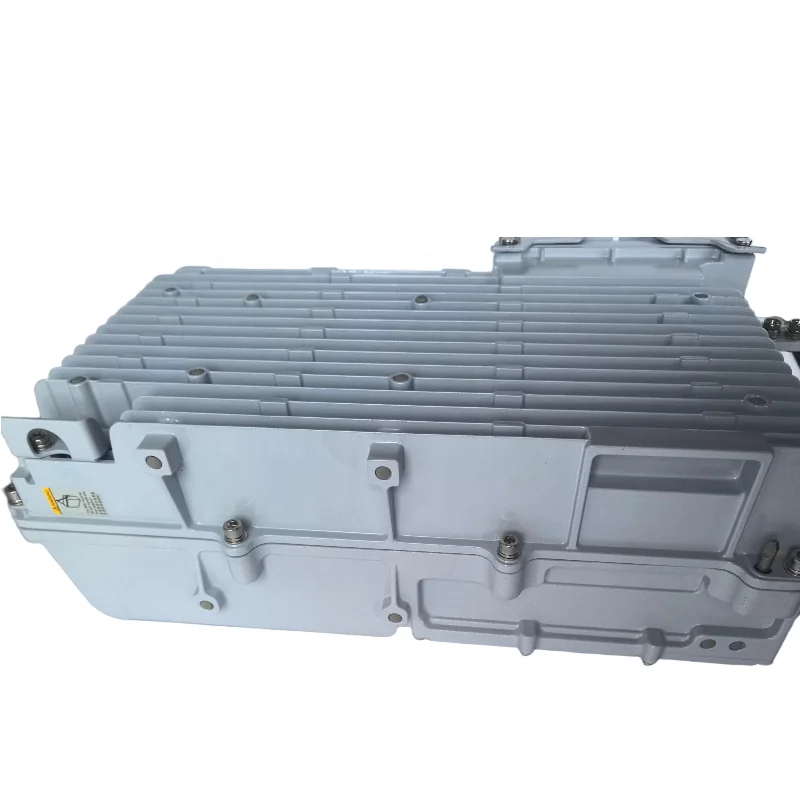
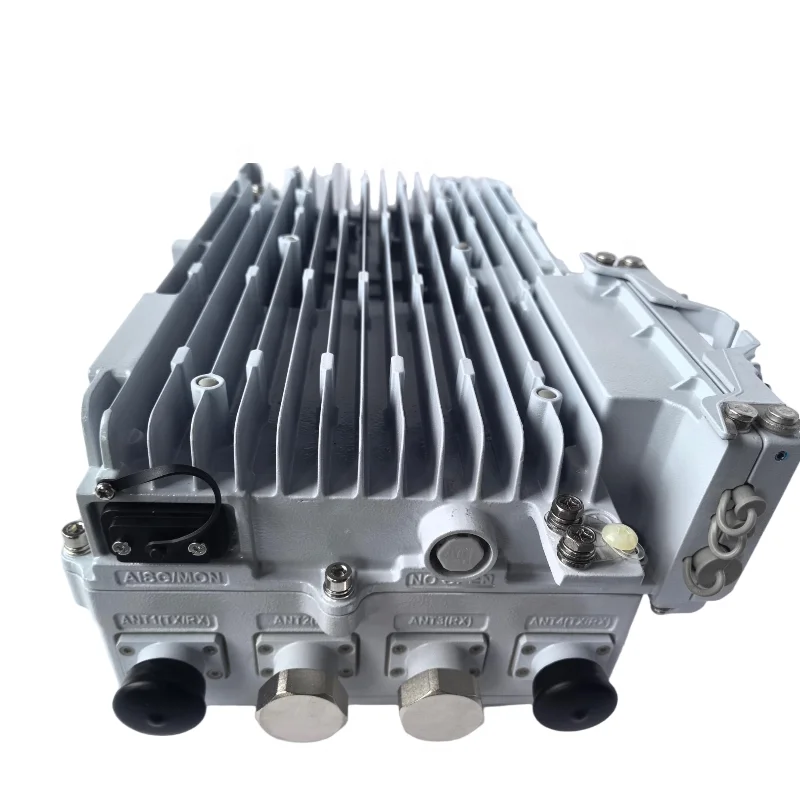
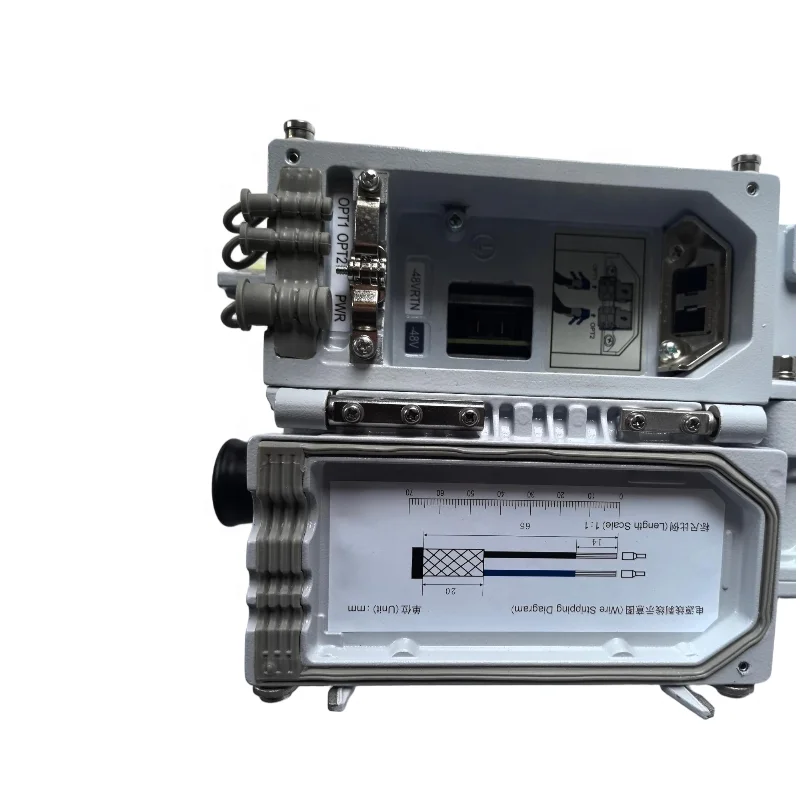
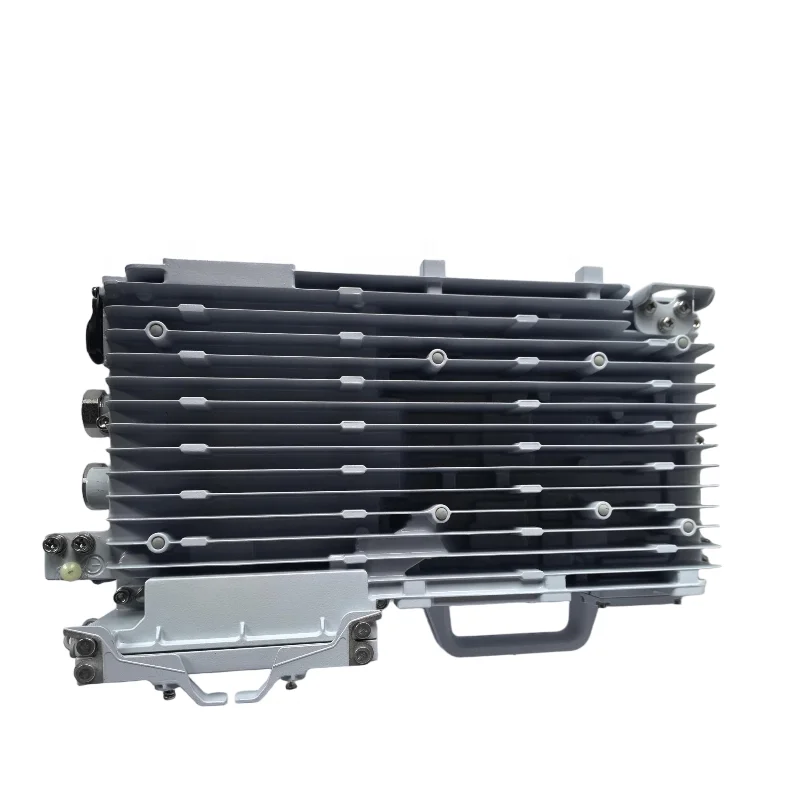
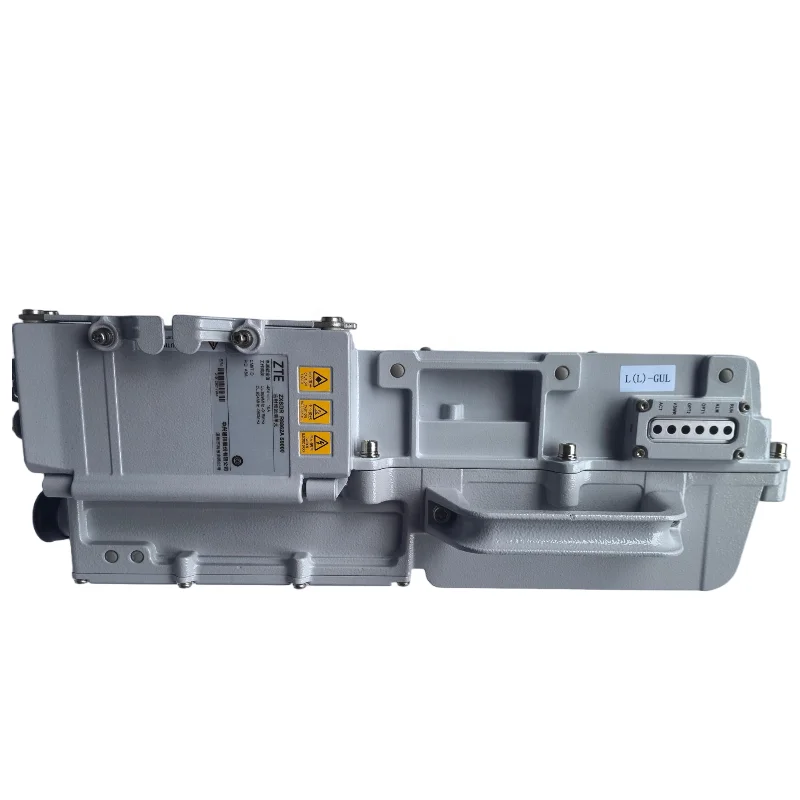
Figure1 shows the hardware structure of the ZXSDR R8852E.
Figure1 Hardware Structure
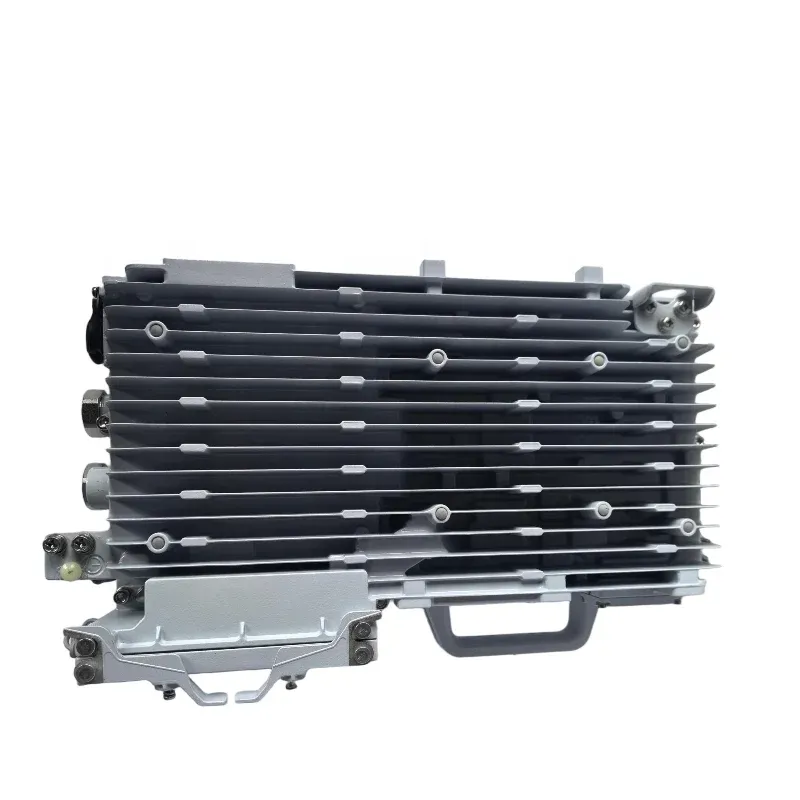
1,Handle
2,Indicators
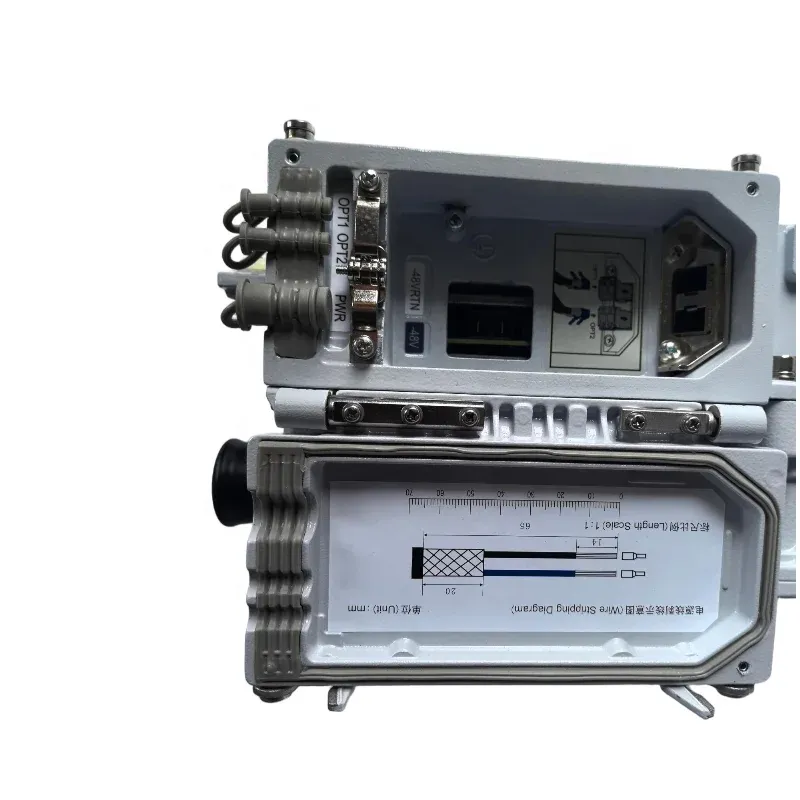
3,Maintenance cavity
4,Bottom interface
Basic Functions
R8862A is the remote radio unit of a distributed base station.The signal is transmitted/received through R8862A to/from the base band processing unit for further processing via the standard CPRI interface.
By applying the distributed system, the feeder loss will be eliminated when the radio unit is positioned close to the antenna.The coverage is enlarged with this solution.
The functions of R8862A include:
Supports LTE configuration of 1.4 MHz/3 MHz/5 MHz/10 MHz/15 MHz/20 MHz scalable bandwidth defined in 3GPP.
Supports UMTS configuration of 5 MHz/4.8 MHz/4.6 MHz/4.4 MHz/4.2 MHz channel interval of each carrier.
Supports band of AP700/710/700/850/900/AWS/1700/1800/2100/2600 MHz.
Supports 2T4R (S8500/S1700/S1800/S2100/S2600) in one box which can optimize spectrum efficiency greatly and improve network uplink performance.
Supports 256 QAM modulation in LTE downlink and 64 QAM modulation in uplink.
Supports transmit power report function for every carrier.
Supports overload protection function for the power amplifier.
Supports transmit channel switching on/off function.
Preventing the running BBU and other R8862As connected to it from being affected in case of R8862A software failure.
Environmental Requirements
Power Supply
|
Item
|
Specification
|
|
DC
|
-48 V (-37 V to -57V)
|
|
AC
|
220 V/110 V (100 V to 240 V)
|
Operating Environment
|
Item
|
Specification
|
|
Temperature
|
-40°C to +55°C
|
|
Relative humidity
|
5%–100%
|
|
Protection level
|
IP65
|
|
Grounding resistance
|
≤ 5 Ω
( < 10 Ω for areas where the number of the days with lightning and storm per year is smaller than 20)
|
|
Storage environment
|
ETSI EN 300019-1-1 Class 1.2 “Weather protected, not temperature-controlled storage locations”
When the storage environment conditions specified in the above standards are met, the product can operate properly within a storage period of one year.
|
(1).png?w=2643&h=1585)