(1).png?w=2643&h=1585)
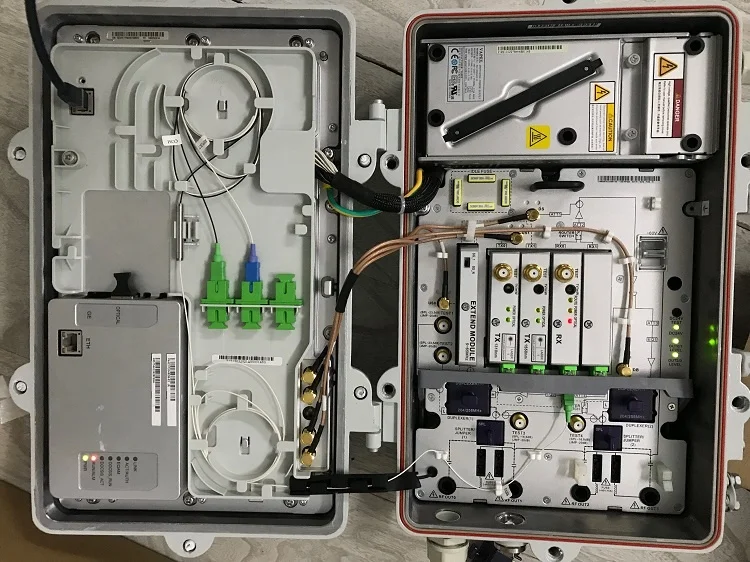
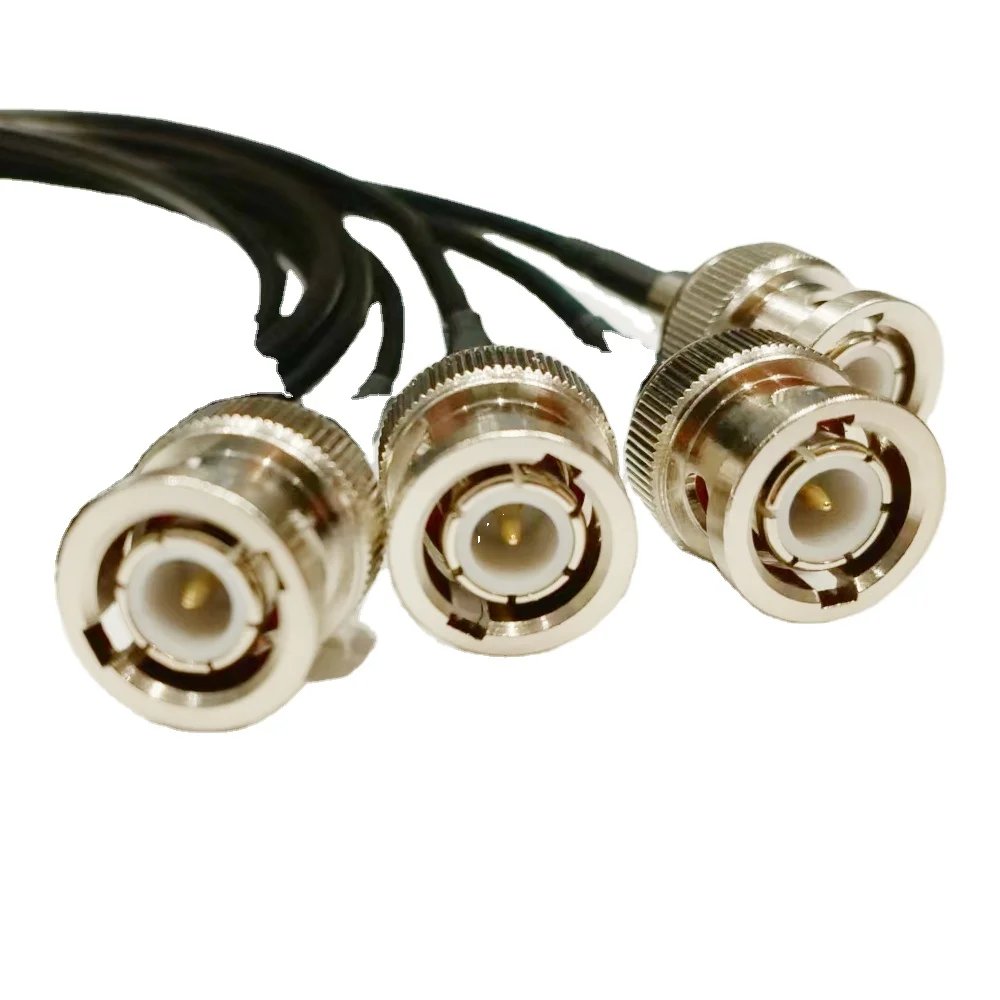
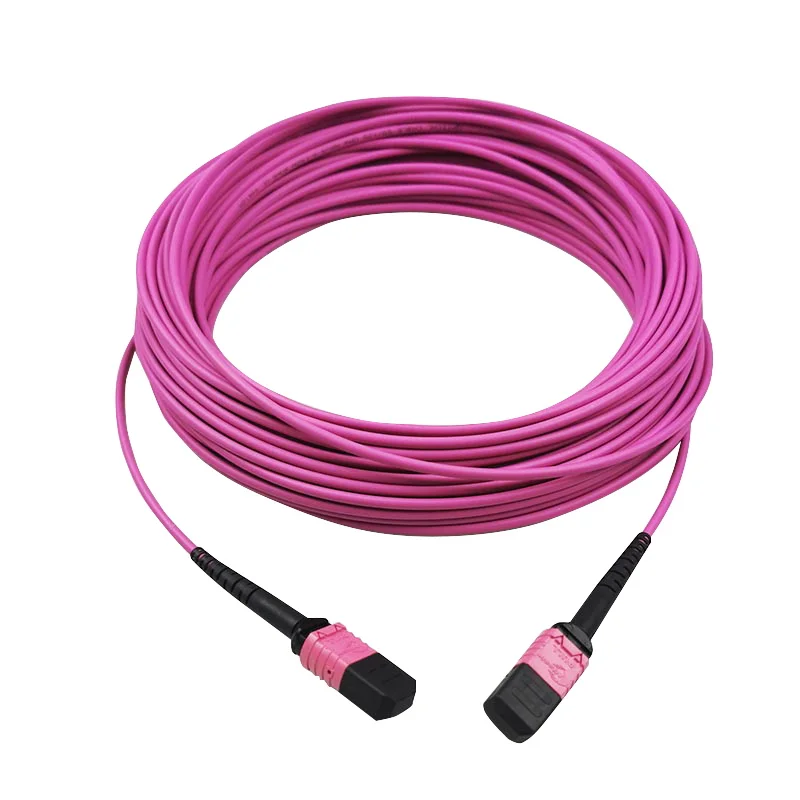
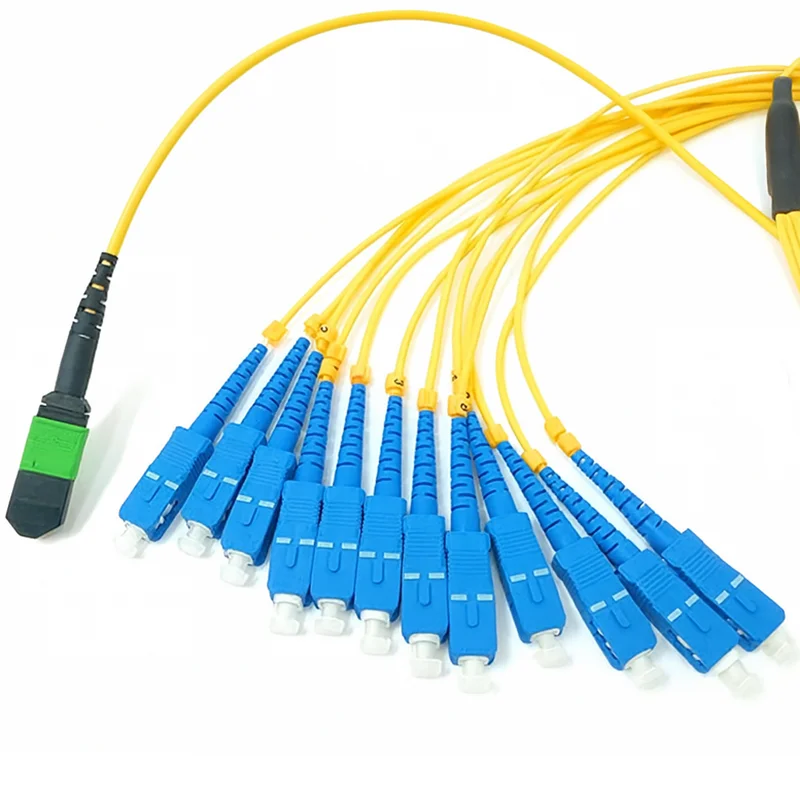
The conversation around e-commerce infrastructure in 2026 is dominated by cloud scalability, edge computing, and AI-driven logistics. Rarely does the discussion drift into the physical layer of telecommunications hardware. Yet, for global operations managing vast, real-time data flows—from inventory updates and payment processing to live customer support and IoT sensor networks—the reliability of the underlying mobile network is non-negotiable. This is where specialized components like the RRU (Remote Radio Unit) and BBU (Baseband Unit) transition from telecom jargon to critical business assets.
Specifically, the pairing of a BBU 6630 with compatible radio units forms a foundational block for private or dedicated mobile networks that support e-commerce operations in challenging environments. While not a consumer-facing technology, its application directly influences site uptime, data integrity, and operational continuity.
Beyond the Warehouse: Connectivity at the Operational Edge
The classic use case is the large-scale fulfillment center or warehouse. Here, the narrative often focuses on Wi-Fi for handheld scanners. However, Wi-Fi coverage in metallic, densely packed environments is notoriously problematic, leading to dead zones and dropped connections that translate directly into picking errors and delays. A private LTE or 5G network, anchored by a robust baseband unit like the BBU 6630, provides more consistent, secure, and controllable coverage. It can handle hundreds of simultaneous connections from devices, autonomous guided vehicles (AGVs), and environmental sensors with lower latency and higher reliability than standard Wi-Fi.
But the application extends further. Consider pop-up logistics hubs during peak sales seasons, temporary facilities in emerging markets with poor terrestrial internet, or even maritime logistics centers at ports. In these scenarios, deploying a quick, dedicated cellular network using a base6630 radio2219 setup can be the difference between having a functional, connected operation and a manual, error-prone one. The base6630 radio2219 acts as the centralized processing brain, managing radio resources and connecting back to the core network or internet via fiber, which is crucial for integrating local data with central cloud platforms.
The Data Pipeline and the Unseen Bottleneck
E-commerce platforms are aggregates of countless microservices and databases constantly syncing. A regional server cluster, perhaps located in a cost-effective industrial zone, might rely on a cellular backhaul as a primary or failover connection. The performance of this backhaul—its throughput, latency, and jitter—is dictated by the radio access network’s quality. A high-performance BBU ensures efficient signal processing and resource allocation, maximizing the usable bandwidth for business data. This isn’t about streaming video; it’s about ensuring a batch of ten thousand order status updates propagates without delay, or that a database replication process completes within its allotted window.
There’s a subtle trade-off here. While such hardware provides control and performance, it introduces complexity. It requires specialized knowledge for configuration and maintenance—a far cry from plugging in a consumer router. For a global e-commerce operator, this often means partnering with a systems integrator or maintaining a small, specialized team. The ROI isn’t measured in click-through rates, but in reduced operational downtime and the avoidance of revenue loss during critical periods like Black Friday or Singles’ Day.
Supporting the IoT Ecosystem of Commerce
Modern logistics is increasingly driven by IoT. GPS trackers on shipments, Bluetooth beacons for indoor asset tracking, and sensors monitoring warehouse conditions (temperature, humidity) all generate data. While many use short-range protocols, aggregating this data often requires a local gateway with a reliable wide-area network connection. A private cellular network segment, controlled by a local baseband unit, can serve as that backbone, offering a more secure and prioritized path for operational data versus public networks.
In one observed deployment for a high-value electronics retailer, a base6630 radio2219 system was used to create a secure network in a bonded warehouse. All inventory scanning devices and environmental sensors for humidity-controlled storage communicated over this private network, ensuring data never traversed a public infrastructure and reducing the attack surface. The integration was not seamless—it required custom APN configuration and careful firewall rules—but the outcome was a demonstrable improvement in data security audits.
Why This Hardware Appears in B2B E-commerce Procurement
A company specializing in B2B sales of telecom equipment, like Boxin Telecom, finds its customers not just in traditional mobile network operators, but increasingly in the IT and operations departments of large e-commerce and logistics firms. These teams are tasked with solving concrete connectivity problems that off-the-shelf solutions can’t address. They aren’t buying a “base station”; they are buying a “reliable, high-capacity private network node for their logistics hub in Southeast Asia.”
The procurement process is distinct. It involves requests for quotes, detailed technical compatibility checks (ensuring the BBU 6630 works with the chosen radio units and core network), and logistics considerations like shipping costs and customs duties for hardware that may be destined for a specific port city. The value is in the supplier’s ability to provide the correct, interoperable components and support the integration chain, not just the unit itself.
FAQ
Q: Would a large e-commerce company ever directly purchase this kind of telecom hardware? A: Typically, no. The direct purchase is usually made by a systems integrator or the company’s dedicated network infrastructure team handling specialized deployments, like building a private network for a new automated fulfillment center. The mainstream IT procurement team would handle cloud services and standard networking gear.
Q: Is this primarily for 5G networks? A: The BBU 6630 platform is versatile and supports multiple generations, including LTE and 5G-ready configurations. The choice depends on the available spectrum, device compatibility, and specific throughput/latency requirements of the application. For many current industrial IoT and device connectivity needs in warehouses, LTE provides a robust and cost-effective solution.
Q: How does this relate to public cloud services like AWS or Azure? A: They operate at different layers. AWS provides compute, storage, and application services in the cloud. Hardware like the BBU 6630 provides the critical “first mile” or “last mile” radio access connectivity that gets data from devices and local servers to the cloud. A failure in this radio access layer means data never reaches the cloud services, regardless of their reliability.
Q: What’s the biggest operational challenge in using this for an e-commerce site? A: Integration and ongoing maintenance. The hardware itself is reliable, but configuring it to seamlessly interface with existing enterprise IT networks, security policies, and cloud gateways requires niche expertise. Without proper planning, you can create a high-performance network “island” that is difficult to manage and secure.
Q: Is this only relevant for massive companies like Amazon? A: Not exclusively. While the largest players may deploy these systems at scale, mid-sized companies with complex logistics needs—such as regional cold-chain logistics providers or high-value manufacturing companies with direct-to-consumer sales—can also benefit. The trigger is often a specific, high-stakes operational problem that public network solutions cannot reliably solve.