(1).png?w=2643&h=1585)


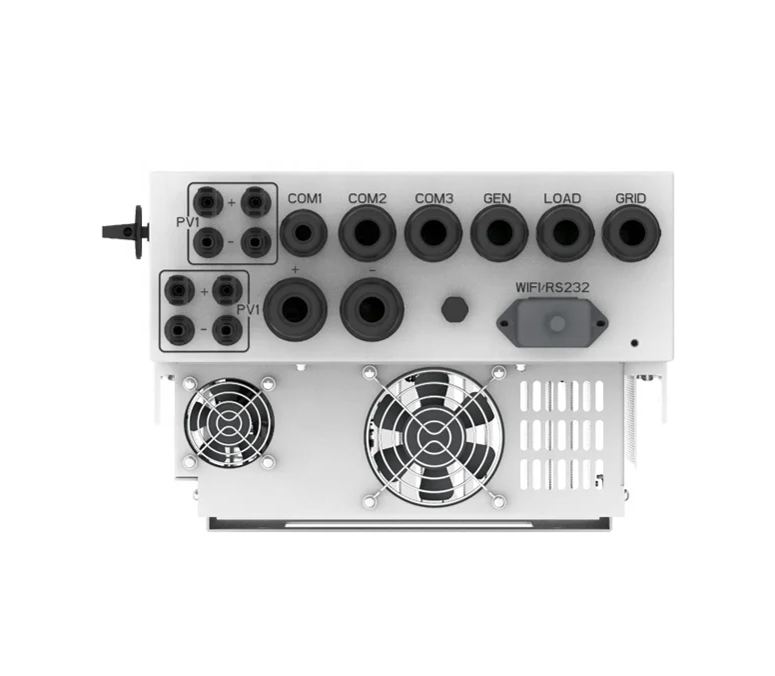
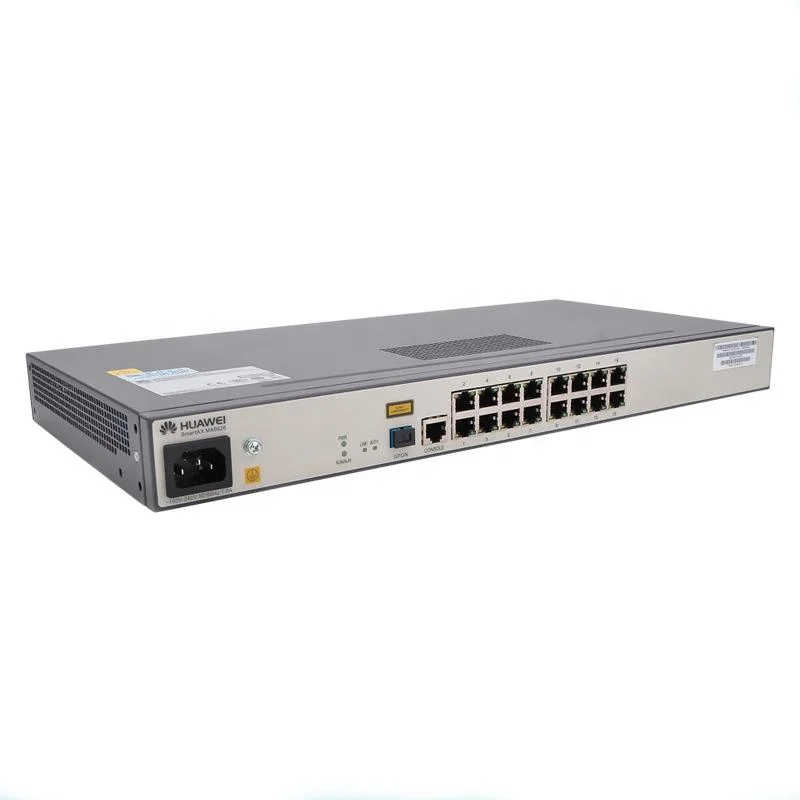
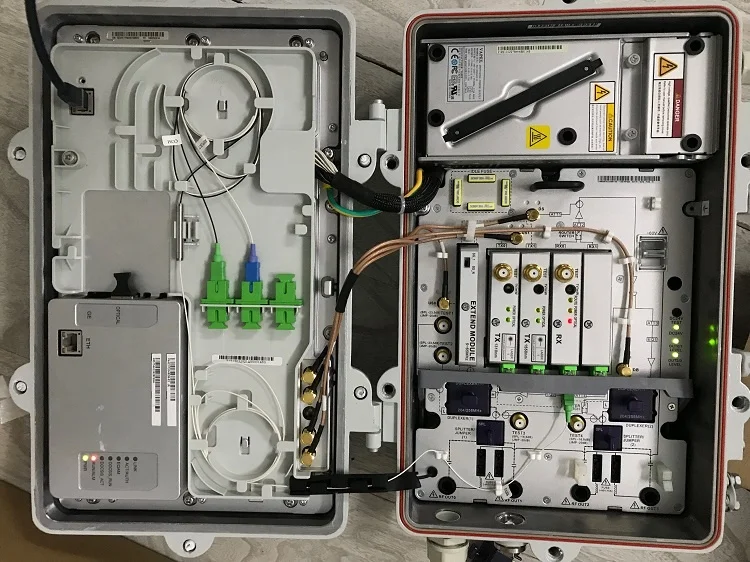

In the world of global e-commerce, the conversation is dominated by algorithms, user experience, and conversion rates. Rarely does the discussion turn to the physical hardware that makes the entire digital marketplace possible. Yet, for any operation scaling across continents, the reliability of the underlying telecommunications infrastructure is not just an IT concern—it’s a core business continuity issue. The silent, humming components in carrier-grade base stations, like the RRU (Remote Radio Unit), BBU (Baseband Unit), and specific baseband boards such as the base6630 radio2219, form the uncelebrated backbone. Understanding how they work isn’t about engineering curiosity; it’s about grasping the physical layer of your digital revenue stream.
The Division of Labor in a Cell Site
At its heart, a modern cellular base station is built on a functional split. This architecture isn’t arbitrary; it’s an optimization for cost, flexibility, and performance. The RRU and the BBU represent two halves of a critical conversation.
The RRU is the interface with the physical world. Mounted high on a tower or building facade, it contains the power amplifiers, filters, and antennas that transmit and receive the radio signals to and from user devices—the very smartphones and tablets used to browse online stores. Its job is purely analog and RF (Radio Frequency): converting digital data streams into radio waves and vice versa. When a customer in Berlin loads a product page from a server in Virginia, the initial and final leg of that data’s journey is handled by an RRU.
The BBU, typically housed in a sheltered cabinet at the base of the tower, is the brains of the operation. It handles the complex digital signal processing. This includes tasks like coding and decoding, modulation and demodulation, and managing the intricate scheduling of which user device gets which slice of the radio spectrum and when. In our e-commerce analogy, if the RRU is the delivery van, the BBU is the logistics hub that routes packages, optimizes loads, and tracks everything.
Where the Base6630 Radio2219 Fits In
The base6630 radio2219 is not a standalone unit but a critical component—a baseband processing board designed to slot into a BBU chassis, specifically within Ericsson’s system architecture. This is where the digital heavy lifting is codified into hardware. Think of the BBU chassis as a server rack and the base6630 as a specialized, high-performance computing card dedicated to processing cellular traffic.
Its role is to execute the algorithms defined by 4G LTE and 5G NR standards with extreme precision and low latency. For an e-commerce platform, latency is a direct conversion factor. Studies have shown that even a 100-millisecond delay can impact sales. The processing efficiency of boards like the base6630 directly influences the time it takes for a “Add to Cart” request to leave a phone, traverse the network, reach the cloud server, and receive a confirmation. This board manages the channel coding, which adds redundancy to the data to combat errors from interference, ensuring that a payment confirmation packet isn’t corrupted during transmission.
The Fiber Link: More Than Just a Cable
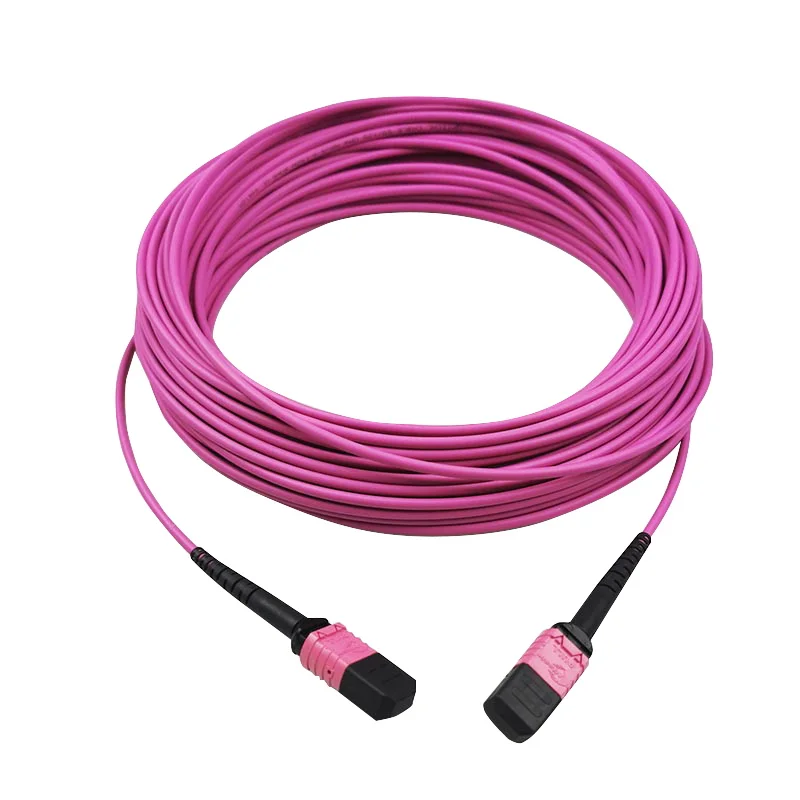
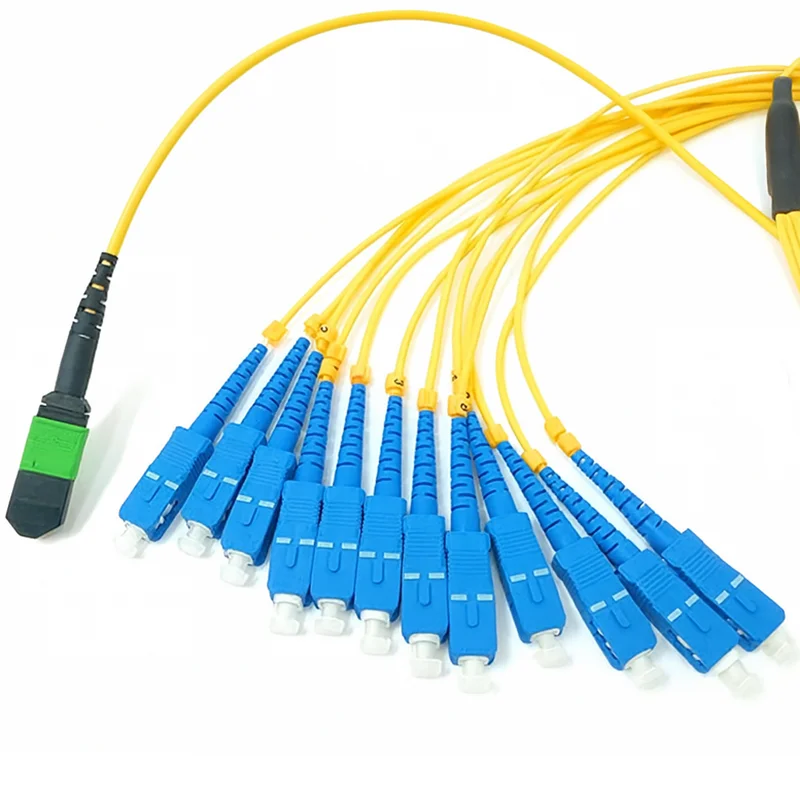
The RRU and BBU are connected not by simple copper wires, but by fiber optic cables. This connection, often using the CPRI (Common Public Radio Interface) or the newer eCPRI protocol, carries the digitized radio samples. This is a crucial point for operations: the integrity and latency of this fiber link are paramount. A degraded or damaged fiber can cause packet loss, leading to slow page loads, failed transactions, or dropped sessions for mobile shoppers. For a global business, sourcing reliable, compatible optical modules and patch cords for these links is as important as choosing a web host. It’s a layer of the supply chain most merchants never see, but one that network operators and infrastructure suppliers constantly manage.
The Real-World Impact on Digital Storefronts
Operationally, the failure modes of this system are instructive. A faulty RRU might create a coverage hole—a dead zone where customers cannot connect. This is a direct loss of potential traffic. A failing baseband board within the BBU, however, can create a more insidious problem: capacity degradation. The site might remain online, but as traffic increases, the impaired BBU cannot process the load efficiently. Users experience slow speeds and timeouts during peak shopping hours, like Black Friday. Diagnosing this from an e-commerce analytics dashboard would only show high bounce rates and abandoned carts in a specific geographic area; the root cause would be a hardware fault in a base station’s BBU, possibly on a board like the base6630.
This is where the B2B ecosystem for telecom hardware becomes relevant. When a network operator needs to repair or expand capacity, they turn to suppliers for reliable, compatible components. Sourcing a genuine base6630 radio2219 board ensures software compatibility, thermal performance, and processing integrity, preventing cascading failures. For a business selling these components, the value proposition isn’t just the hardware; it’s the assurance of network uptime for the countless e-commerce transactions that depend on it.
Beyond 5G: The Convergence with Edge Computing
Looking ahead, the line between telecommunications and computing continues to blur. Cloud RAN (C-RAN) architectures further centralize BBU functions into data centers. However, for ultra-low latency applications critical for future e-commerce (like AR/VR product visualization), processing needs to happen closer to the user. This leads to a resurgence of distributed units with powerful processing capabilities. The functional principles embodied in components like the RRU and specialized baseband boards will persist, but their deployment and integration will evolve. Understanding this hardware layer today provides a foundation for anticipating the infrastructure needs of tomorrow’s immersive online retail experiences.
FAQ
Why should an e-commerce manager care about cellular base station hardware? Because your mobile customers’ experience is entirely dependent on it. Performance issues like slow loading times or transaction failures in specific regions can often be traced to network infrastructure problems, not your website’s code. Understanding the chain helps in liaising effectively with telecom partners.
What’s the difference between an RRU and an antenna? The antenna is a passive element that radiates the radio waves. The RRU is an active unit that includes the antenna, plus the amplifiers and converters that create the signal for the antenna to emit. They are often integrated into a single housing.
Can a failing BBU really impact my site’s conversion rate? Indirectly, but significantly. If a BBU serving a major urban area degrades, it creates network congestion. Users on that cell site will experience poor bandwidth and high latency. This directly leads to higher bounce rates and cart abandonment for any mobile traffic originating from that zone.
Is all this hardware only for 5G? No. This distributed architecture (RRU + BBU) was foundational for 4G LTE and is extended into 5G. Components like the base6630 radio2219 board are designed to handle protocols for both generations, which is why they remain in demand for network upgrades and maintenance.
How do companies source these specialized components? Through B2B suppliers and distributors specializing in telecom infrastructure. Given the critical nature and need for compatibility, procurement involves technical validation, lifecycle management (as networks evolve), and logistics support for global deployment, including handling customs and duties.