(1).png?w=2643&h=1585)
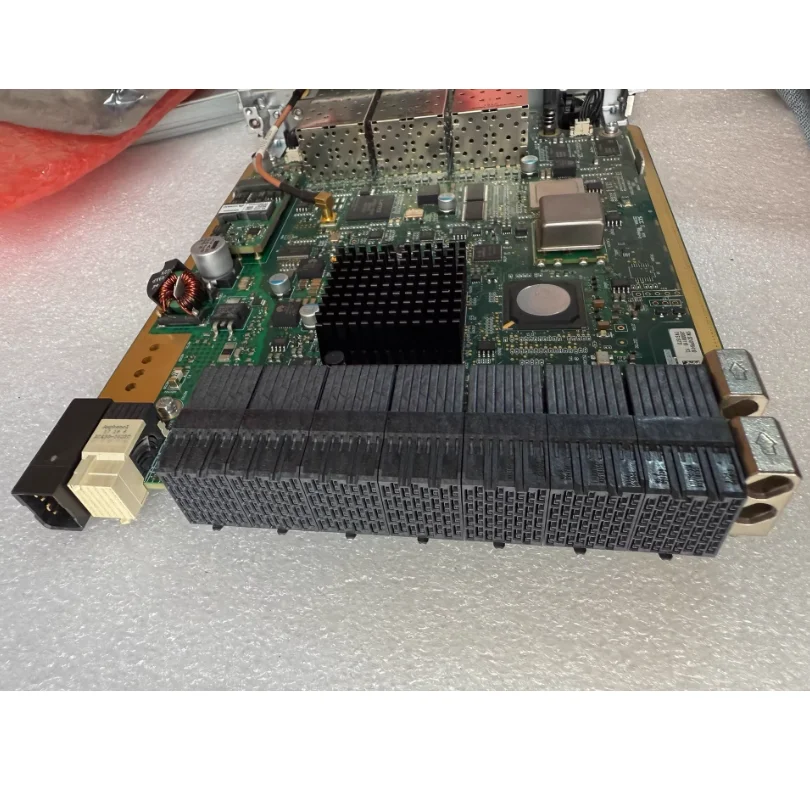
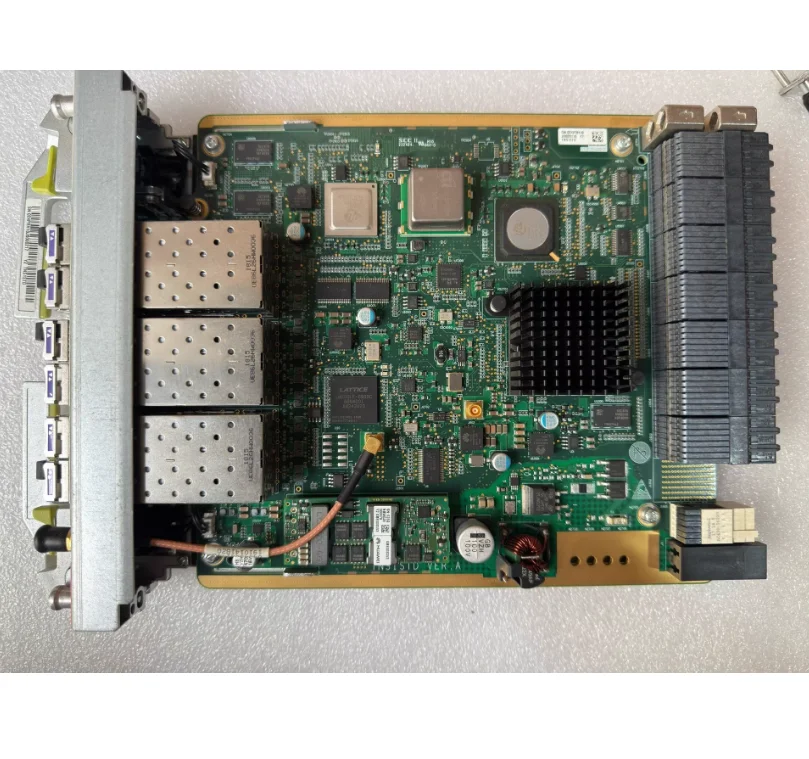
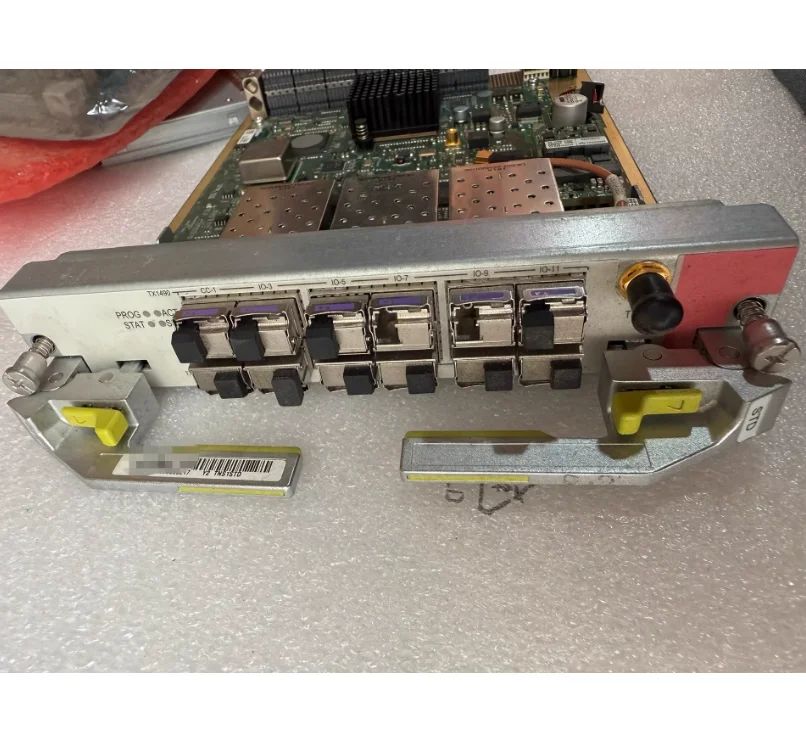
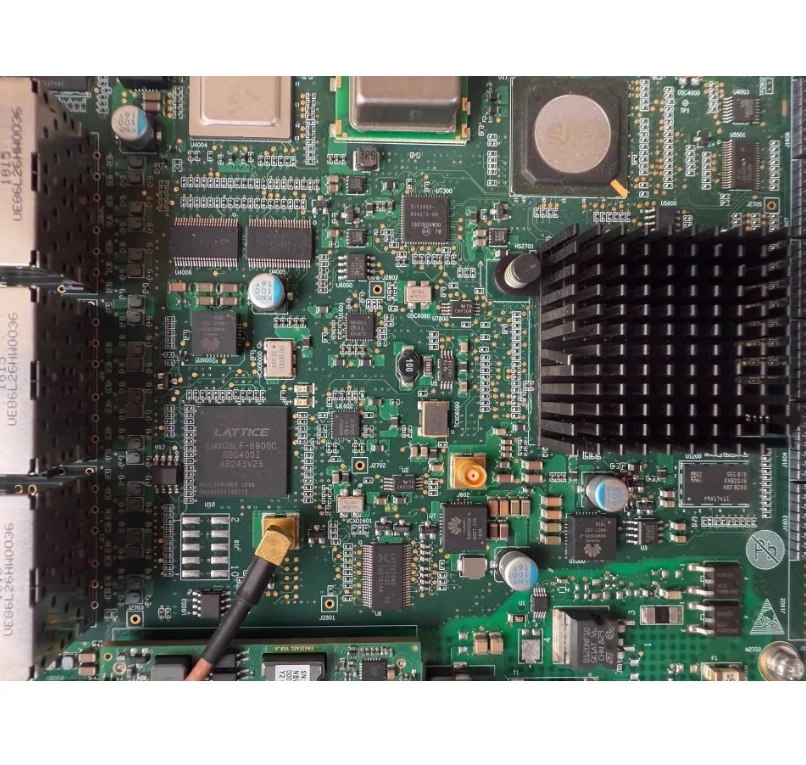
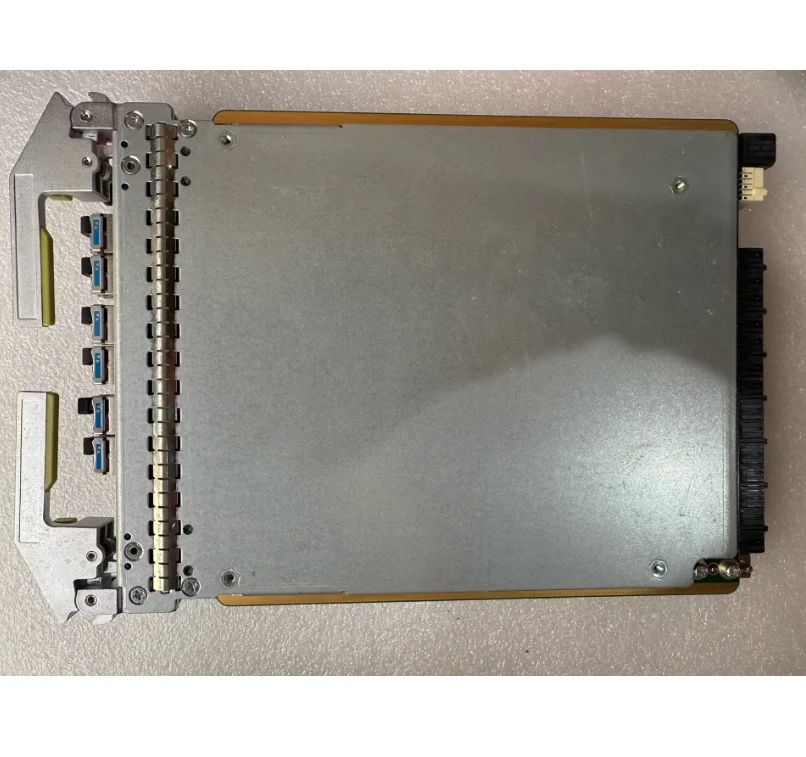
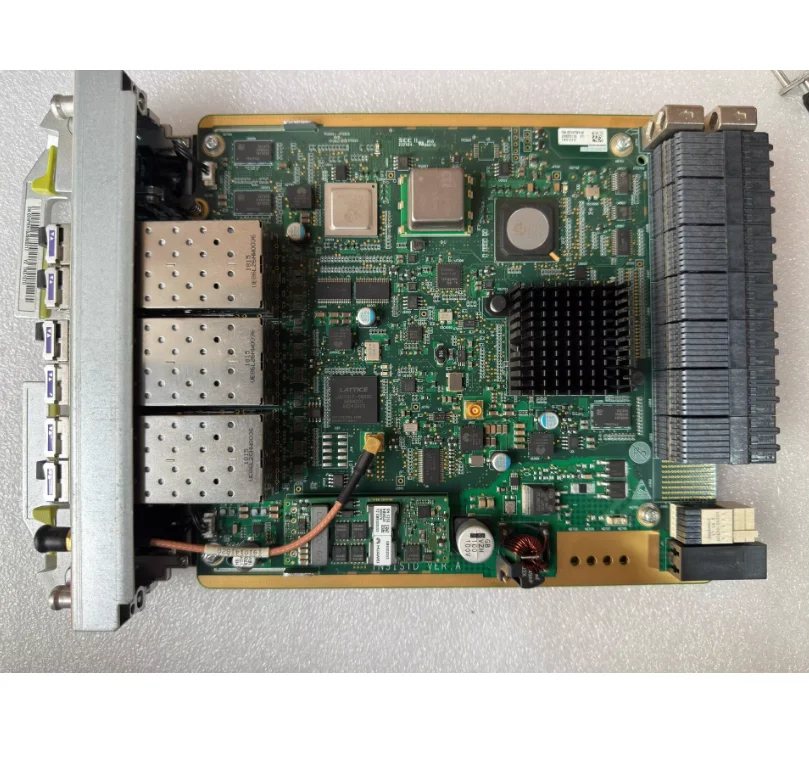
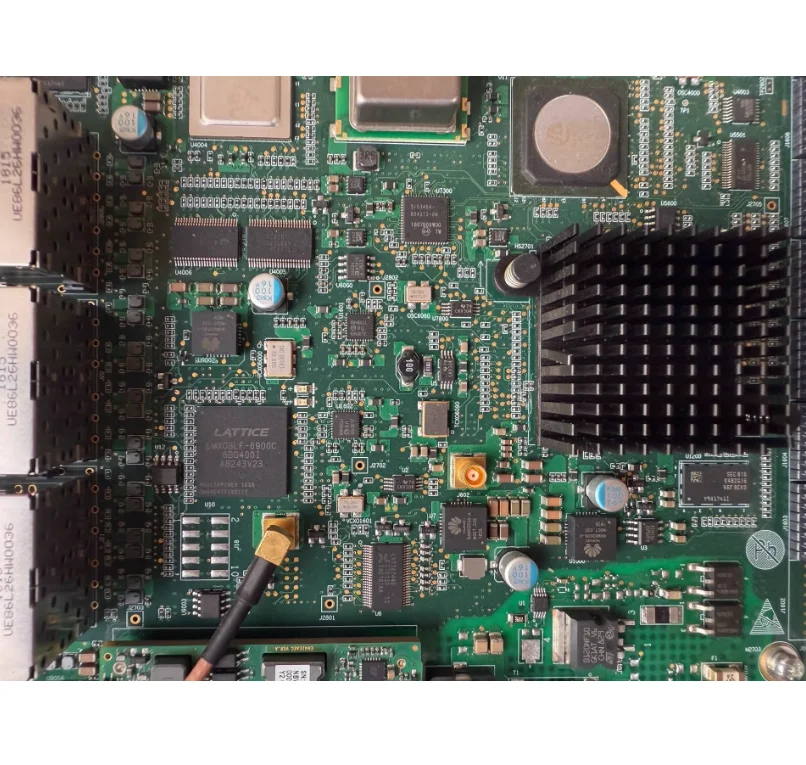
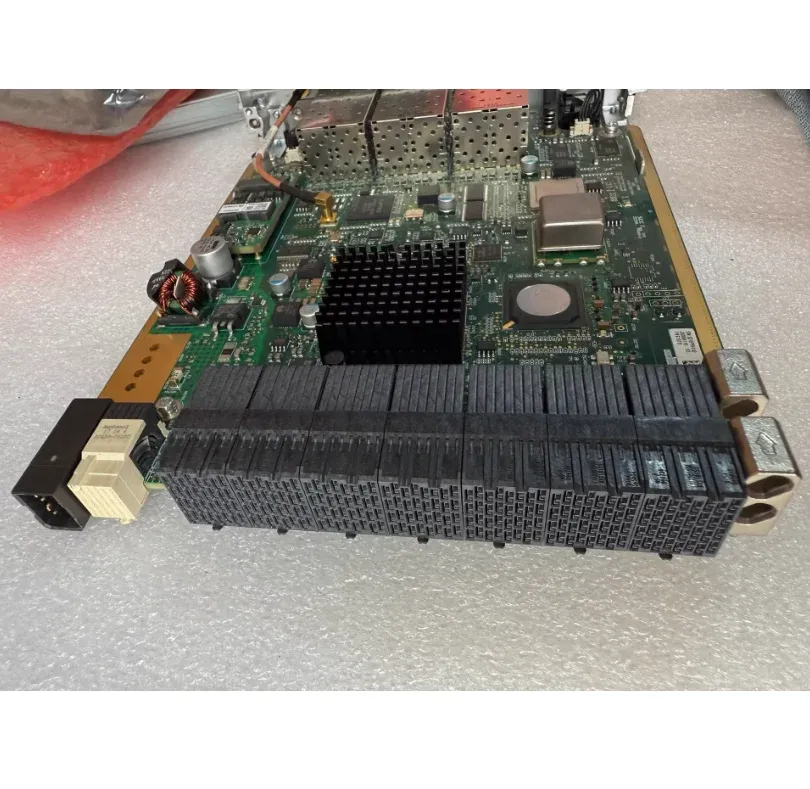
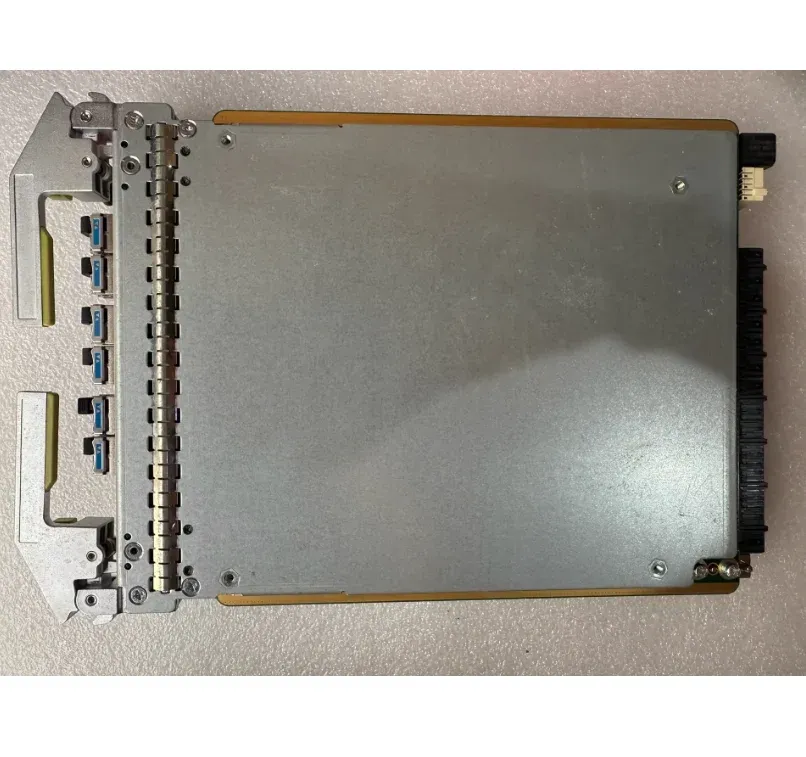
OSN9800 TNS1STD Wavelength Division Board Supports New Coding and Modulation Theory Research
1601695852530_Piece/Pieces
Yantai Boxin International Trading Co., Ltd. is a professional comprehensive trading service provider for communication equipment.With warehouses established in Yantai and Hong Kong, we have built a complete and localized network for delivering communication products and services.In 2018, Yantai Boxin International Trading Co., Ltd. set up its international sales department in Yantai, China.Based in China, we operate in emerging markets across Southeast Asia, India, the Middle East, Africa, Europe, and the United States.
Yantai Boxin International Trading Co., Ltd. supplies products to various telecom operators, meeting their needs for supplementing and expanding 2G/3G/4G/5G network stations.Our current equipment portfolio covers brands such as Nokia, Ericsson, Alcatel, Huawei, ZTE, ZTT, and FiberHome.
We expand our international market share by offering high-quality products, excellent service, competitive pricing, and timely delivery.Feel free to contact us for more information.
Product Description
1.Product Overview
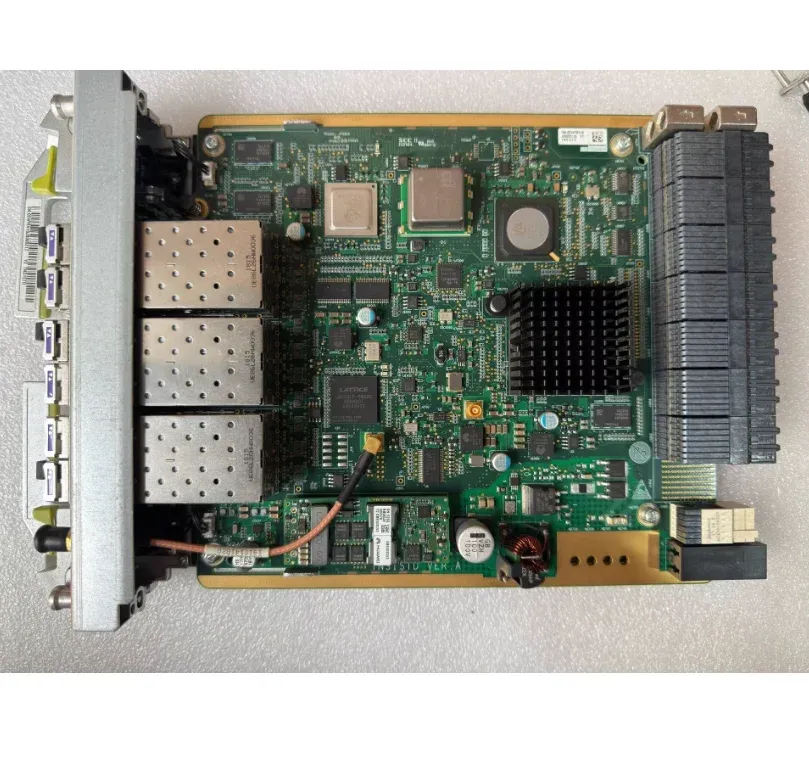
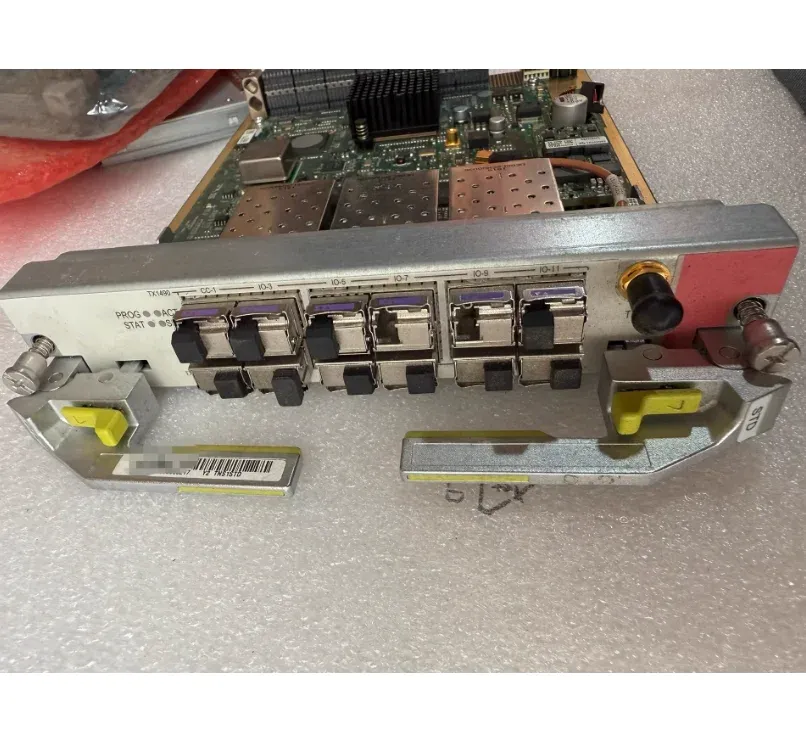
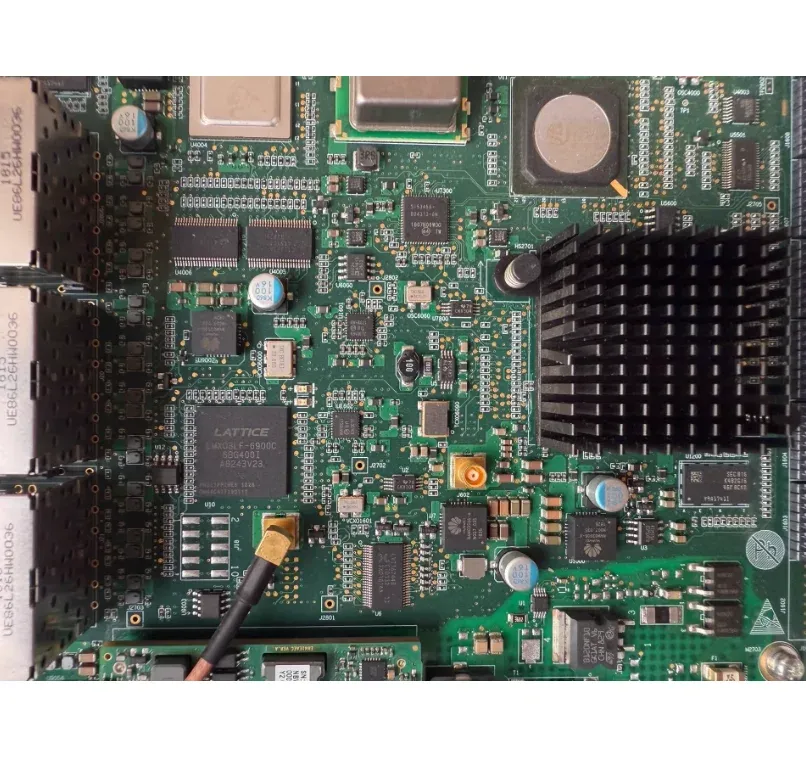
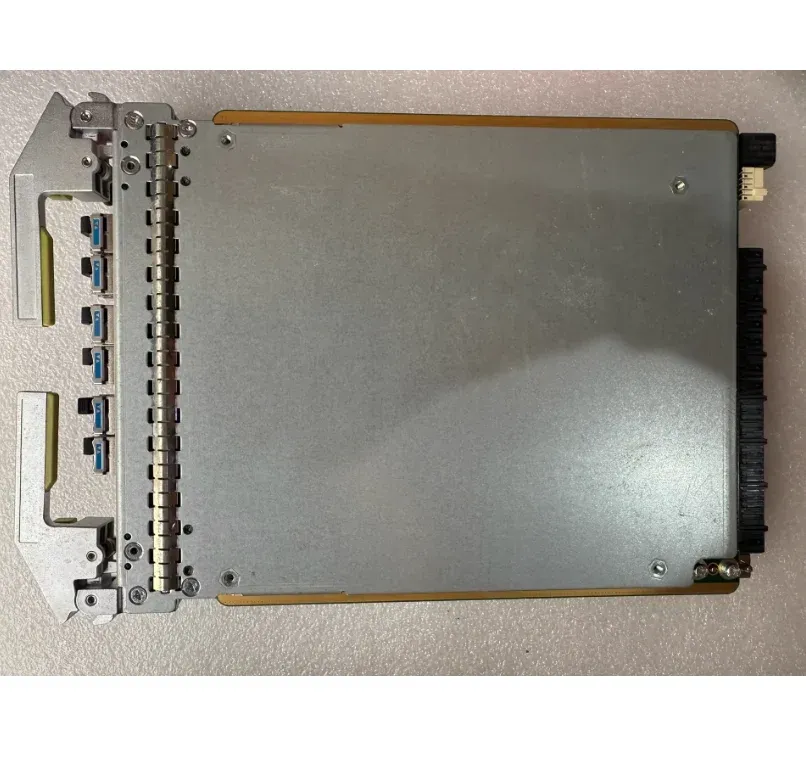
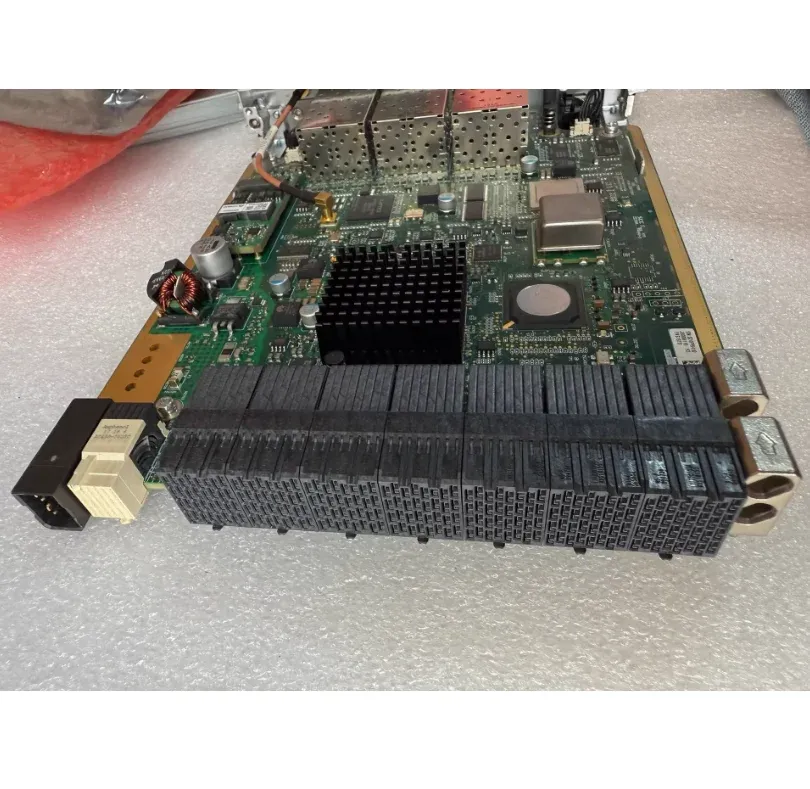
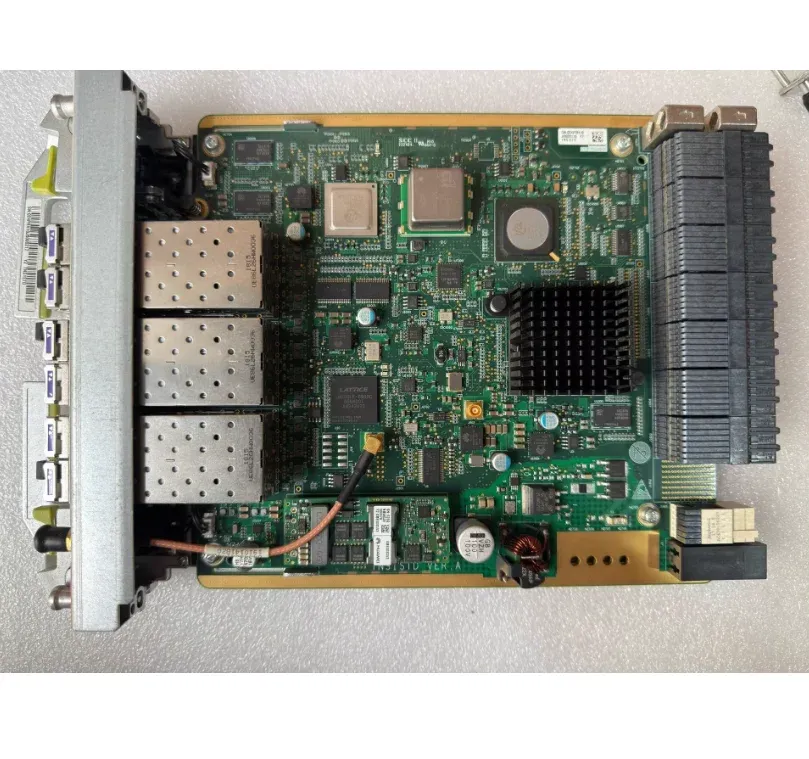
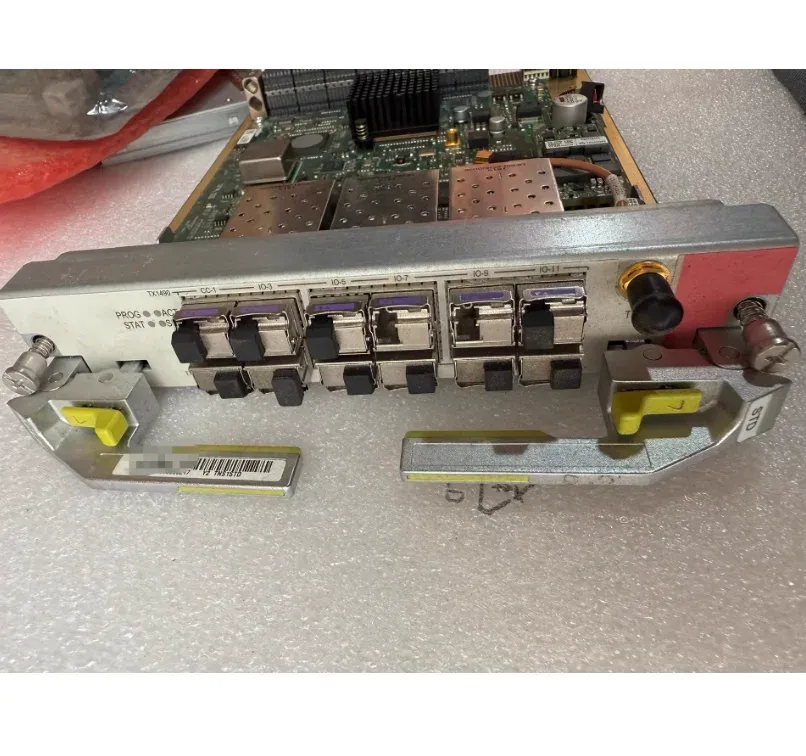
TNS1STD is a strategic foundational research platform for cutting-edge research in information theory and communication systems on the OSN 9800 series optical transmission platform.This product is an open experimental platform built to explore the fundamental performance limits of communication systems, verify revolutionary coding and modulation theories, and study post Shannon information transmission paradigms.It aims to bridge the gap between pure theoretical analysis and practical physical channels, providing top information scientists around the world with a real physical layer hardware environment that can be precisely controlled, deeply observed, and extreme tested, in order to promote the boundary expansion of human understanding of the basic laws of information transmission.
2.Core positioning and basic research mission
Experimental exploration of approaching and surpassing Shannon limits
To verify the theoretical performance limits of new channel coding schemes (such as next-generation coding that exceeds the current performance limits of LDP/polar codes), advanced modulation formats (such as geometric shaping, probability shaping, multidimensional modulation), and nonlinear compensation algorithms, provide a full link, full rate hardware testing platform that is close to actual transmission conditions.
Support the quantitative evaluation of the"implementation loss" of various emerging theories in real fiber channels under controllable and reproducible experimental conditions, and promote the transformation of theory into practice.
Cross Study of Channel Capacity Theory and Actual Channels
Provide precise modeling and controllable injection capability for the physical characteristics of fiber optic channels, such as nonlinearity, noise, and dispersion, allowing researchers to systematically study the actual impact of these non ideal factors on the capacity limits of various information domains, such as mutual information and cutoff rates.
Explore capacity approximation schemes in more complex channel models such as non additive Gaussian white noise (non AWGN) channels and memory channels.
Performance limit analysis of basic components in communication systems
Independently or jointly programmable control and performance characterization of key physical layer devices such as analog-to-digital converters (ADC/DAC), laser linewidth, amplifier noise index, etc., to study their fundamental constraints on the overall information transmission capability of the system.
Support research on optimal system architecture under specific power consumption, cost, or complexity constraints.
Cultivate a leading force in basic research of information science
As a bridge connecting theoretical information theory with engineering practice, we provide top-notch facilities for doctoral students, postdoctoral fellows, and young scientists to engage in high-level experimental information science research, cultivating the next generation of academic leaders with profound theoretical foundations and strong engineering insights.
3.System Core Architecture and Research Characteristics
1.Physics and System Architecture
Model: TNS1STD
Platform attribute: Frontier research platform for basic theories of information theory and communication systems
Design principles:"Accurate and controllable parameters, fully observable processes, and highly flexible links".
2.Core reconfigurable and controllable units
Programmable signal generation and processing chain: From baseband digital signal generation, encoding, modulation, shaping filtering, to digital to analog conversion, electro-optical modulation, all key parameters of the entire chain (such as roll off factor, pre emphasis, bias point) can be precisely defined and adjusted by software.
Controllable channel damage simulation unit: It can accurately and repeatedly inject and adjust various channel damages, including adjustable power amplifier spontaneous emission (ASE) noise, controllable size dispersion and polarization mode dispersion (PMD), programmable nonlinear effect simulation, etc.
High performance and high-precision measurement and acquisition unit: equipped with ultra-high sampling rate and high-precision oscilloscope level ADC, as well as coherent reception and digital signal processing (DSP) unit, capable of capturing and analyzing the complete statistical characteristics of signals, used to calculate core indicators such as mutual information and bit error rate.
3.Deep open experimental interface
Bottom level algorithm and parameter interface: allowing researchers to completely bypass the standard DSP process and directly load custom encoding, modulation, equalization, decoding, and detection estimation algorithms.
Raw data access interface: Provides full access to the raw voltage waveforms collected by ADC, complex digital signals received coherently, and intermediate data in each processing stage.
Performance evaluation framework interface: an open performance evaluation framework that allows users to customize performance metrics (beyond BER, MI, such as block error rate, complexity metrics, etc.)and testing processes.
4.Research supporting ecosystems
Theoretical Experimental Joint Simulation Environment: Provides seamless interfaces with mainstream scientific computing environments such as MATLAB and Python, supporting the direct deployment of theoretical simulation code to hardware for verification.
Open datasets and benchmarks: Based on this platform, generate and publish standardized and annotated fiber channel experimental datasets for algorithm validation and performance comparison in the global academic community.
Annual Open Challenge: Organize international challenges around specific foundational problems, such as"optimal low complexity coding under a given channel," to attract top teams from around the world to participate.
4.Typical cutting-edge research topics
Research on Capacity Limit of Nonlinear Fiber Channel: Under controllable nonlinear intensity, experimentally study and verify the new capacity limit theory of fiber nonlinear channel, and explore practical coding and modulation schemes that approximate this capacity.
Performance limits of short packet communication and finite block length encoding: For short packet scenarios such as the Internet of Things and industrial control, accurately evaluate the gap between the actual performance of finite block length encoding and the theoretical finite length performance on hardware platforms.
Performance verification of joint source channel coding in optical communication: Explore the theoretical gain of directly applying joint source channel coding in the optical layer, and evaluate its implementation complexity and performance in real systems.
Basic research on communication systems empowered by artificial intelligence: Using the full link controllability provided by the platform, study the fundamental performance limits and interpretability of AI/ML methods in basic communication problems such as channel estimation, signal detection, encoding and decoding.
Research on communication theory adaptation for new devices: To study the optimal communication theory framework and signal design methods corresponding to the non ideal characteristics of future devices such as silicon optical modulators and new photodetectors.
5.Summary of Core Values
Promoting original innovation in information science: providing an essential"experimental platform" for verifying revolutionary theories that may rewrite textbooks, accelerating the transformation from theoretical concepts to recognized scientific truths.
Consolidate the theoretical foundation for the long-term development of the communication industry: By addressing the fundamental performance limits and loss issues, provide direction and theoretical toolbox for the continuous evolution of communication technology in the coming decades.
Leading the global trend of information theory experimental research: By establishing a world leading open experimental platform, attracting top global wisdom, and establishing an international leadership position in this interdisciplinary research field.
Cultivate a strategic basic research culture: Demonstrate and promote long-term, challenging basic research models and cultures within the industry and in collaboration with academia.
6.Admission and operation mechanism
Platform code: TNS1STD.
Operating mechanism: Adopting the"Open Access Research Platform under the Guidance of Academic Committees" model.The academic committee is composed of internationally renowned experts in information theory and communication theory, responsible for reviewing research proposals, allocating time, and guiding research directions.
User qualification: Open to universities and research institutions worldwide dedicated to experimental research on communication basic theory.Research proposals need to have clear scientific questions, theoretical innovation, and experimental feasibility.
Achievement management: Strongly encourage open scientific practice. The research results (papers, algorithm codes, experimental data) should be made public to the greatest extent possible. The benchmark dataset and tools generated by the platform itself will be open sourced to maximize its scientific impact and promote progress across the entire field
Product Description

Packing & Shipping

Company Introduction







Contact Us
Yantai Boxin International Trade Co., Ltd.
Click the number to chat on WhatsApp or send an email. WeChat ID is the same as the phone number.
Yantai Boxin International Trading Co., Ltd. is a professional comprehensive trading service provider for communication equipment.With warehouses established in Yantai and Hong Kong, we have built a complete and localized network for delivering communication products and services.In 2018, Yantai Boxin International Trading Co., Ltd. set up its international sales department in Yantai, China.Based in China, we operate in emerging markets across Southeast Asia, India, the Middle East, Africa, Europe, and the United States.
Yantai Boxin International Trading Co., Ltd. supplies products to various telecom operators, meeting their needs for supplementing and expanding 2G/3G/4G/5G network stations.Our current equipment portfolio covers brands such as Nokia, Ericsson, Alcatel, Huawei, ZTE, ZTT, and FiberHome.
We expand our international market share by offering high-quality products, excellent service, competitive pricing, and timely delivery.Feel free to contact us for more information.
توضیحات محصول
1.Product Overview
TNS1STD is a strategic foundational research platform for cutting-edge research in information theory and communication systems on the OSN 9800 series optical transmission platform.This product is an open experimental platform built to explore the fundamental performance limits of communication systems, verify revolutionary coding and modulation theories, and study post Shannon information transmission paradigms.It aims to bridge the gap between pure theoretical analysis and practical physical channels, providing top information scientists around the world with a real physical layer hardware environment that can be precisely controlled, deeply observed, and extreme tested, in order to promote the boundary expansion of human understanding of the basic laws of information transmission.
2.Core positioning and basic research mission
Experimental exploration of approaching and surpassing Shannon limits
To verify the theoretical performance limits of new channel coding schemes (such as next-generation coding that exceeds the current performance limits of LDP/polar codes), advanced modulation formats (such as geometric shaping, probability shaping, multidimensional modulation), and nonlinear compensation algorithms, provide a full link, full rate hardware testing platform that is close to actual transmission conditions.
Support the quantitative evaluation of the"implementation loss" of various emerging theories in real fiber channels under controllable and reproducible experimental conditions, and promote the transformation of theory into practice.
Cross Study of Channel Capacity Theory and Actual Channels
Provide precise modeling and controllable injection capability for the physical characteristics of fiber optic channels, such as nonlinearity, noise, and dispersion, allowing researchers to systematically study the actual impact of these non ideal factors on the capacity limits of various information domains, such as mutual information and cutoff rates.
Explore capacity approximation schemes in more complex channel models such as non additive Gaussian white noise (non AWGN) channels and memory channels.
Performance limit analysis of basic components in communication systems
Independently or jointly programmable control and performance characterization of key physical layer devices such as analog-to-digital converters (ADC/DAC), laser linewidth, amplifier noise index, etc., to study their fundamental constraints on the overall information transmission capability of the system.
Support research on optimal system architecture under specific power consumption, cost, or complexity constraints.
Cultivate a leading force in basic research of information science
As a bridge connecting theoretical information theory with engineering practice, we provide top-notch facilities for doctoral students, postdoctoral fellows, and young scientists to engage in high-level experimental information science research, cultivating the next generation of academic leaders with profound theoretical foundations and strong engineering insights.
3.System Core Architecture and Research Characteristics
1.Physics and System Architecture
Model: TNS1STD
Platform attribute: Frontier research platform for basic theories of information theory and communication systems
Design principles:"Accurate and controllable parameters, fully observable processes, and highly flexible links".
2.Core reconfigurable and controllable units
Programmable signal generation and processing chain: From baseband digital signal generation, encoding, modulation, shaping filtering, to digital to analog conversion, electro-optical modulation, all key parameters of the entire chain (such as roll off factor, pre emphasis, bias point) can be precisely defined and adjusted by software.
Controllable channel damage simulation unit: It can accurately and repeatedly inject and adjust various channel damages, including adjustable power amplifier spontaneous emission (ASE) noise, controllable size dispersion and polarization mode dispersion (PMD), programmable nonlinear effect simulation, etc.
High performance and high-precision measurement and acquisition unit: equipped with ultra-high sampling rate and high-precision oscilloscope level ADC, as well as coherent reception and digital signal processing (DSP) unit, capable of capturing and analyzing the complete statistical characteristics of signals, used to calculate core indicators such as mutual information and bit error rate.
3.Deep open experimental interface
Bottom level algorithm and parameter interface: allowing researchers to completely bypass the standard DSP process and directly load custom encoding, modulation, equalization, decoding, and detection estimation algorithms.
Raw data access interface: Provides full access to the raw voltage waveforms collected by ADC, complex digital signals received coherently, and intermediate data in each processing stage.
Performance evaluation framework interface: an open performance evaluation framework that allows users to customize performance metrics (beyond BER, MI, such as block error rate, complexity metrics, etc.)and testing processes.
4.Research supporting ecosystems
Theoretical Experimental Joint Simulation Environment: Provides seamless interfaces with mainstream scientific computing environments such as MATLAB and Python, supporting the direct deployment of theoretical simulation code to hardware for verification.
Open datasets and benchmarks: Based on this platform, generate and publish standardized and annotated fiber channel experimental datasets for algorithm validation and performance comparison in the global academic community.
Annual Open Challenge: Organize international challenges around specific foundational problems, such as"optimal low complexity coding under a given channel," to attract top teams from around the world to participate.
4.Typical cutting-edge research topics
Research on Capacity Limit of Nonlinear Fiber Channel: Under controllable nonlinear intensity, experimentally study and verify the new capacity limit theory of fiber nonlinear channel, and explore practical coding and modulation schemes that approximate this capacity.
Performance limits of short packet communication and finite block length encoding: For short packet scenarios such as the Internet of Things and industrial control, accurately evaluate the gap between the actual performance of finite block length encoding and the theoretical finite length performance on hardware platforms.
Performance verification of joint source channel coding in optical communication: Explore the theoretical gain of directly applying joint source channel coding in the optical layer, and evaluate its implementation complexity and performance in real systems.
Basic research on communication systems empowered by artificial intelligence: Using the full link controllability provided by the platform, study the fundamental performance limits and interpretability of AI/ML methods in basic communication problems such as channel estimation, signal detection, encoding and decoding.
Research on communication theory adaptation for new devices: To study the optimal communication theory framework and signal design methods corresponding to the non ideal characteristics of future devices such as silicon optical modulators and new photodetectors.
5.Summary of Core Values
Promoting original innovation in information science: providing an essential"experimental platform" for verifying revolutionary theories that may rewrite textbooks, accelerating the transformation from theoretical concepts to recognized scientific truths.
Consolidate the theoretical foundation for the long-term development of the communication industry: By addressing the fundamental performance limits and loss issues, provide direction and theoretical toolbox for the continuous evolution of communication technology in the coming decades.
Leading the global trend of information theory experimental research: By establishing a world leading open experimental platform, attracting top global wisdom, and establishing an international leadership position in this interdisciplinary research field.
Cultivate a strategic basic research culture: Demonstrate and promote long-term, challenging basic research models and cultures within the industry and in collaboration with academia.
6.Admission and operation mechanism
Platform code: TNS1STD.
Operating mechanism: Adopting the"Open Access Research Platform under the Guidance of Academic Committees" model.The academic committee is composed of internationally renowned experts in information theory and communication theory, responsible for reviewing research proposals, allocating time, and guiding research directions.
User qualification: Open to universities and research institutions worldwide dedicated to experimental research on communication basic theory.Research proposals need to have clear scientific questions, theoretical innovation, and experimental feasibility.
Achievement management: Strongly encourage open scientific practice. The research results (papers, algorithm codes, experimental data) should be made public to the greatest extent possible. The benchmark dataset and tools generated by the platform itself will be open sourced to maximize its scientific impact and promote progress across the entire field
توضیحات محصول
Packing & Shipping
Company Introduction
تماس با ما
Yantai Boxin International Trade Co., Ltd.
برای گفتگو در واتساپ روی شماره کلیک کنید یا ایمیل بفرستید. شناسه ویچت با شماره تلفن یکسان است.
Technical Specificationsمشخصات فنی
Frequency & Bandsفرکانس و باندها
Supports 2G/3G/4G/5G frequency bands. Detailed band specifications depend on the specific model and configuration. Contact our sales team for the exact band coverage of your target market.
Interfaces & Connectorsرابطها و کانکتورها
Standard telecom interfaces including optical ports, RF connectors, Ethernet ports and power interfaces. Connector types and quantities vary by product model. Full interface specifications available in the product datasheet.
Power & Consumptionتوان و مصرف
Operating voltage range, power consumption and power supply requirements differ by equipment type. Typical operating temperature range: -40°C to +55°C. Detailed power specifications provided on request.
Certifications & Complianceگواهیها و انطباق
Products comply with CE, RoHS, FCC and ISO 9001 standards where applicable. Certification documents and test reports are available for verified B2B customers upon request.
Compatibility & Deploymentسازگاری و استقرار
Compatible with major telecom infrastructure vendors. Suitable for indoor and outdoor deployment scenarios including base stations, transmission nodes and optical distribution networks. Custom configurations available for large-scale projects.
Request a Bulk Quoteدرخواست قیمت عمده
Need this product in volume? Contact our sales team for competitive B2B pricing, customization options and shipping arrangements. We respond within 24 hours.این محصول را بهصورت عمده نیاز دارید؟ برای قیمت رقابتی B2B، سفارشیسازی و حمل با تیم فروش تماس بگیرید. ظرف ۲۴ ساعت پاسخ میدهیم.