(1).png?w=2643&h=1585)
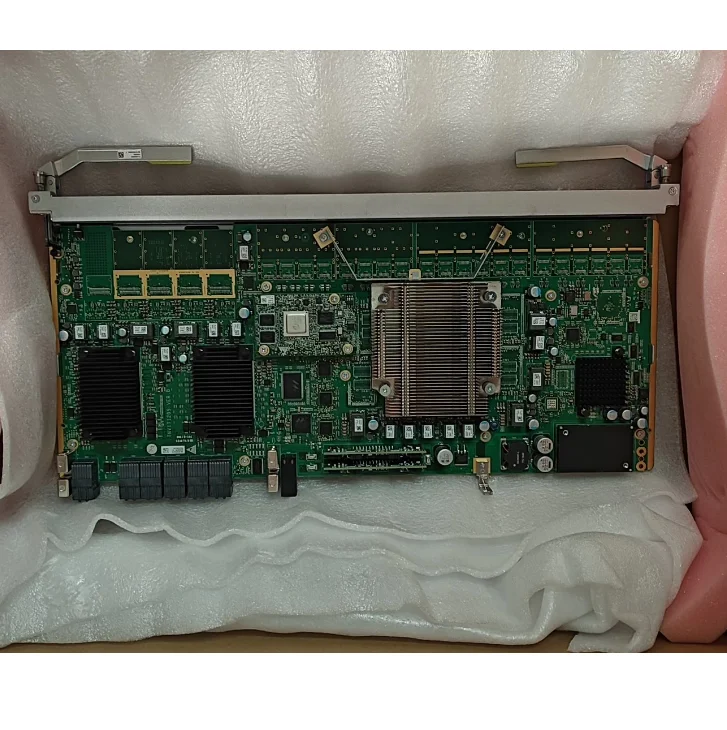
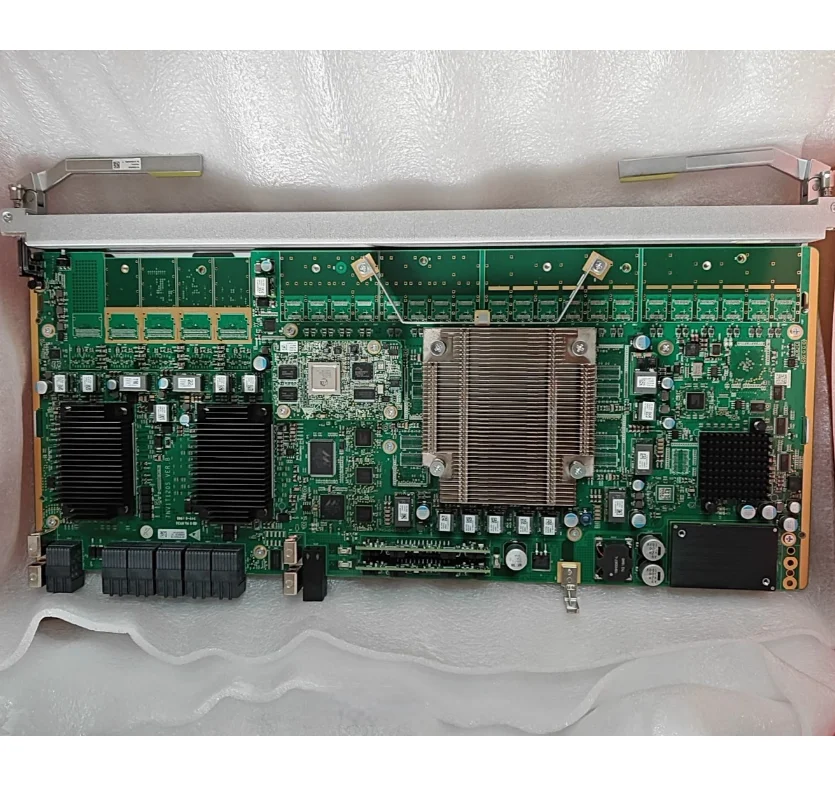
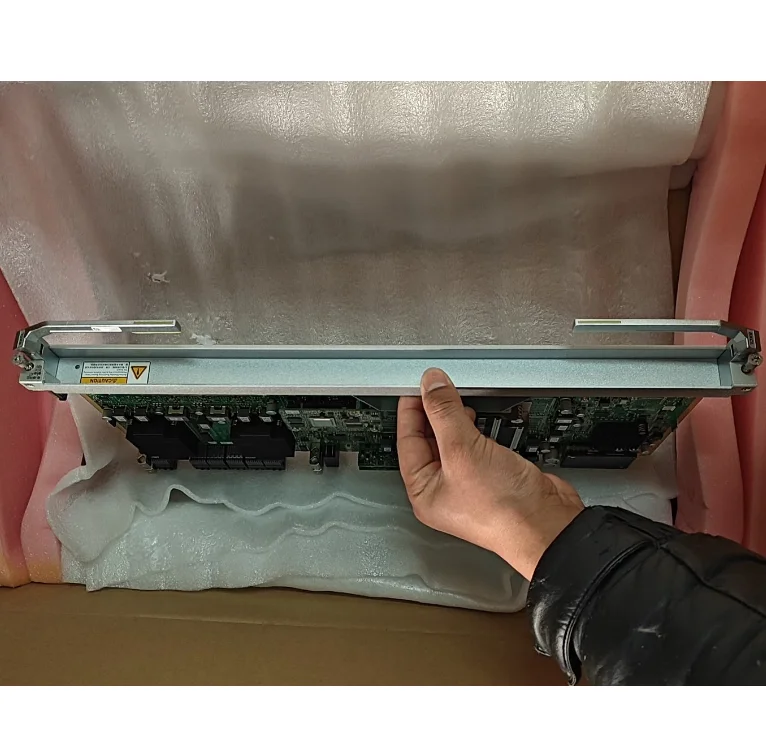
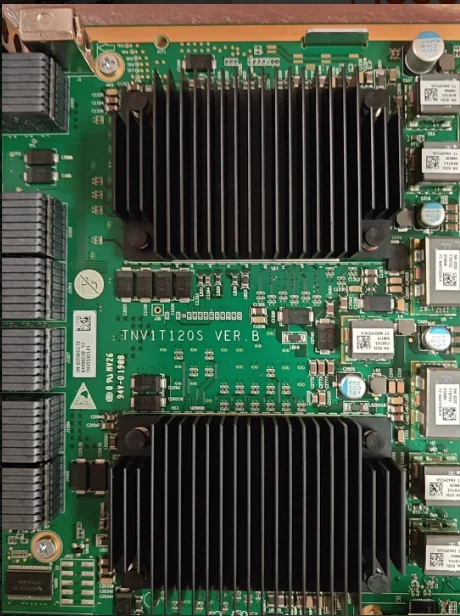
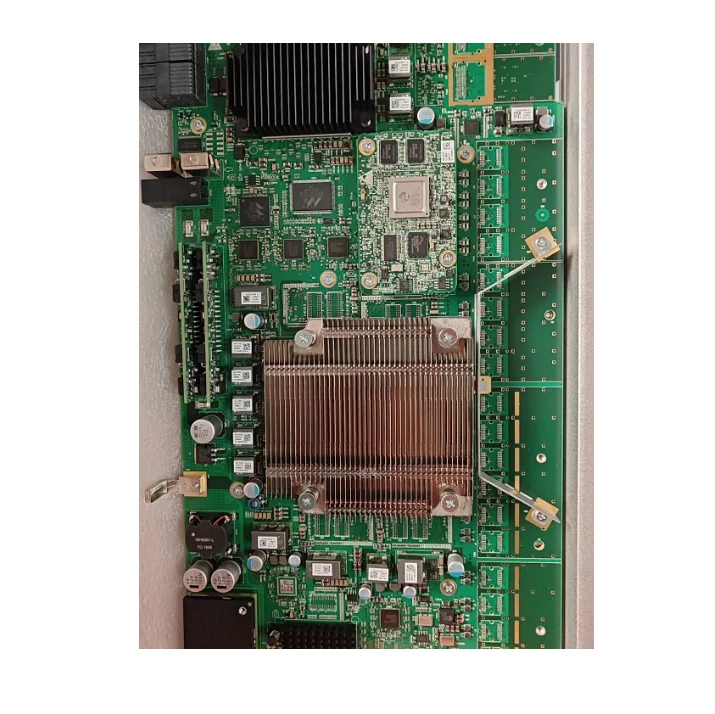
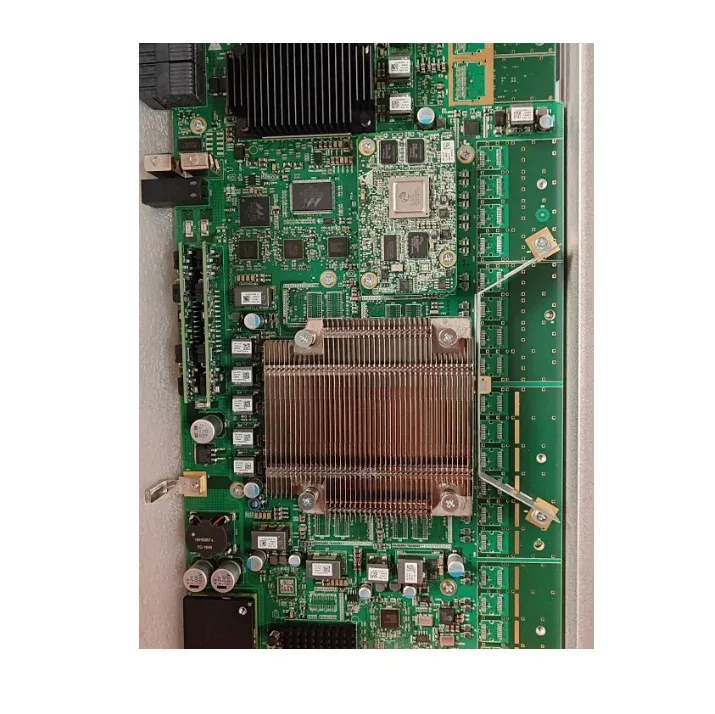
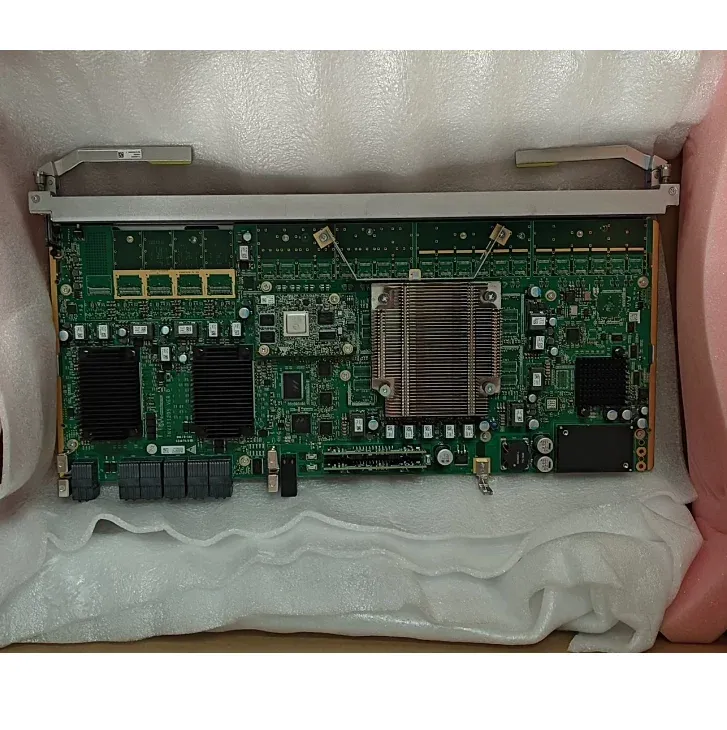
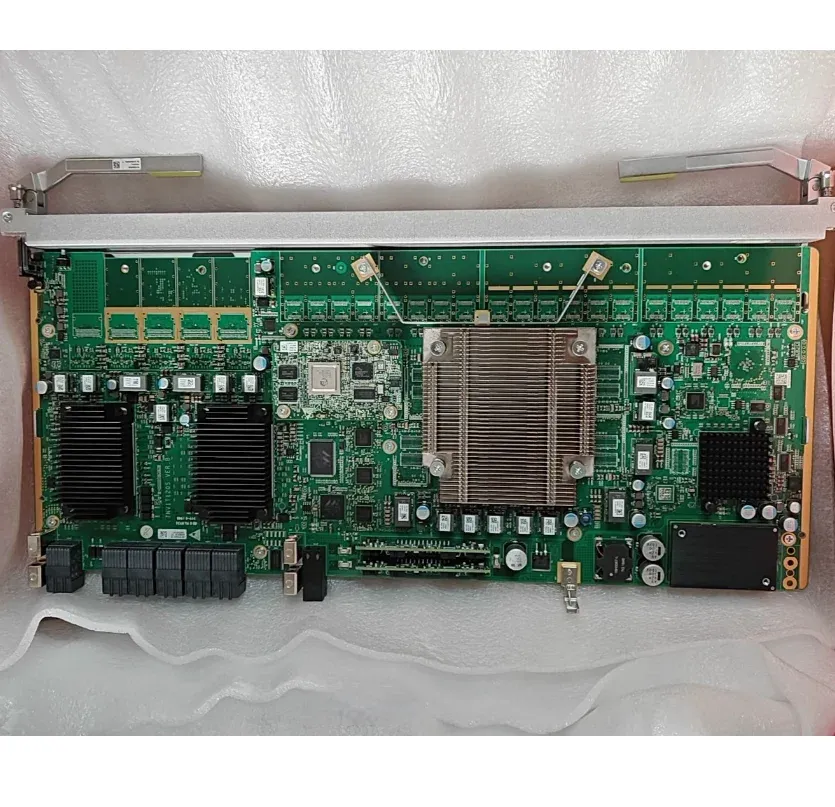
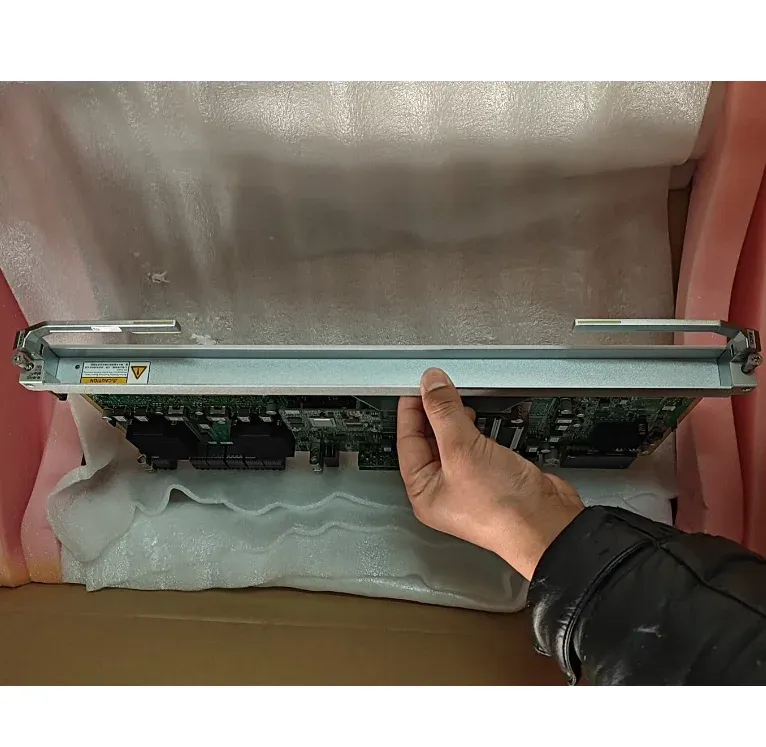
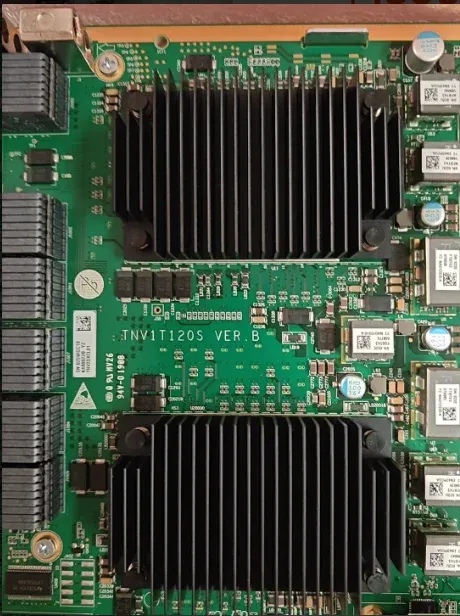
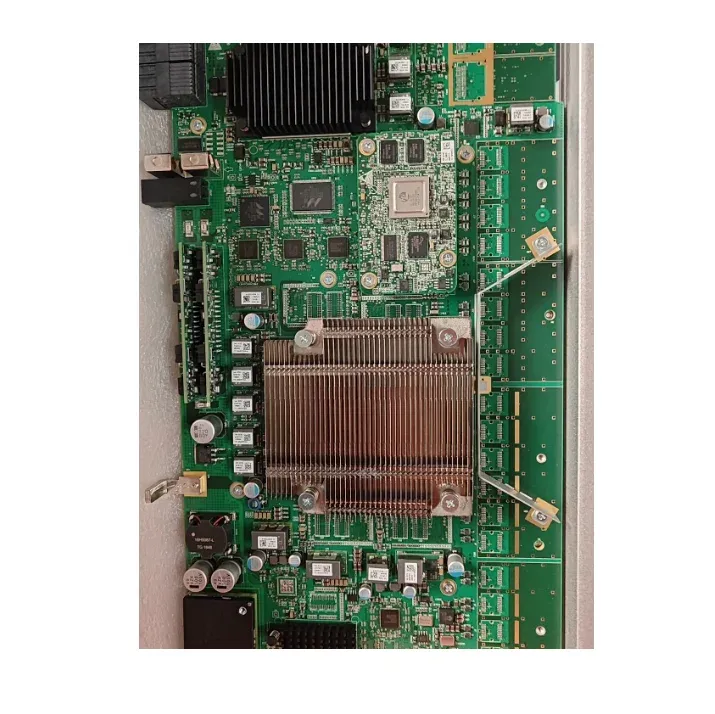
OSN9800 TNV1T120S OTU Line Card, Supporting 200G/100G Tunable in a Single Wavelength
1601681987237_Piece/Pieces
Yantai Boxin International Trading Co., Ltd. is a professional comprehensive trading service provider for communication equipment.With warehouses established in Yantai and Hong Kong, we have built a complete and localized network for delivering communication products and services.In 2018, Yantai Boxin International Trading Co., Ltd. set up its international sales department in Yantai, China.Based in China, we operate in emerging markets across Southeast Asia, India, the Middle East, Africa, Europe, and the United States.
Yantai Boxin International Trading Co., Ltd. supplies products to various telecom operators, meeting their needs for supplementing and expanding 2G/3G/4G/5G network stations.Our current equipment portfolio covers brands such as Nokia, Ericsson, Alcatel, Huawei, ZTE, ZTT, and FiberHome.
We expand our international market share by offering high-quality products, excellent service, competitive pricing, and timely delivery.Feel free to contact us for more information.
Product Description
1. Product Overview
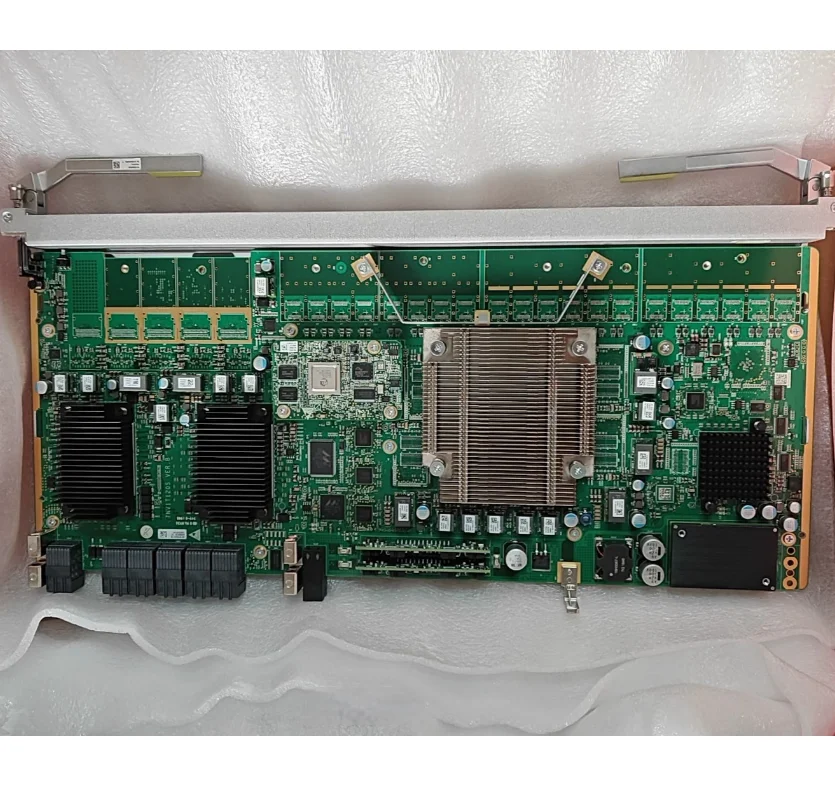
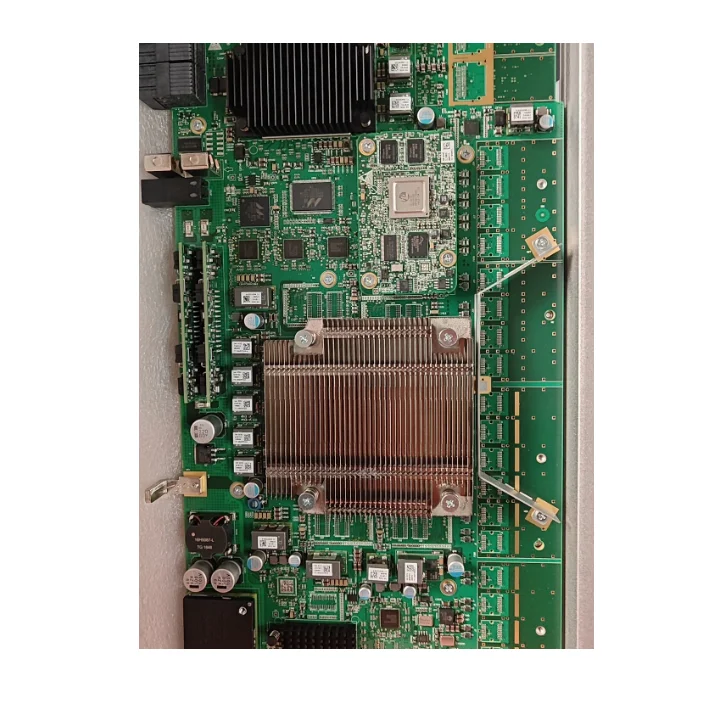
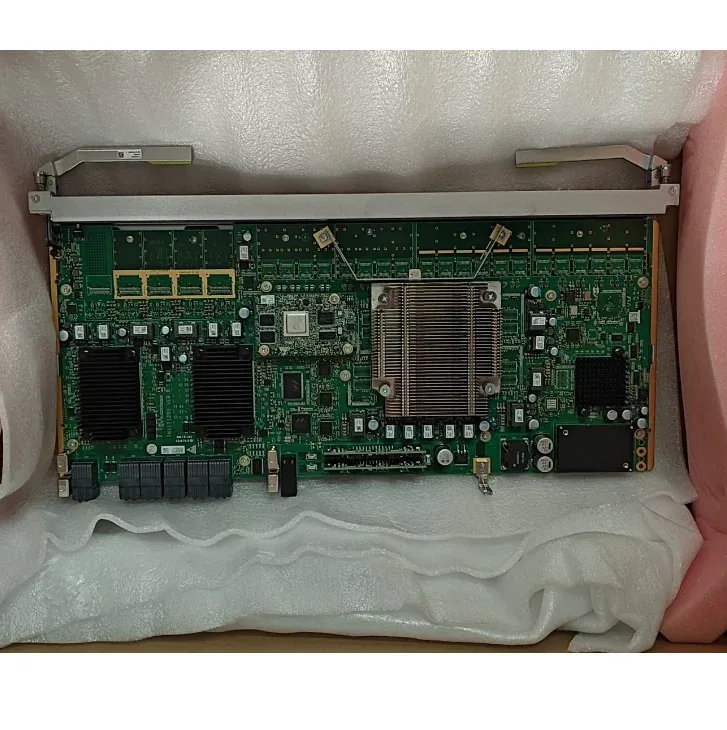
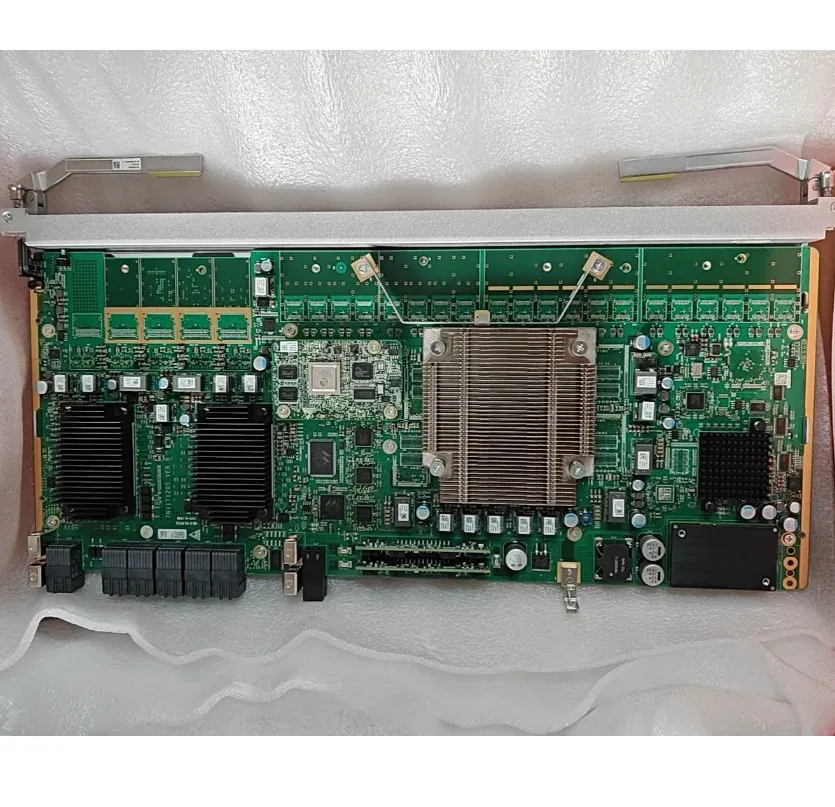
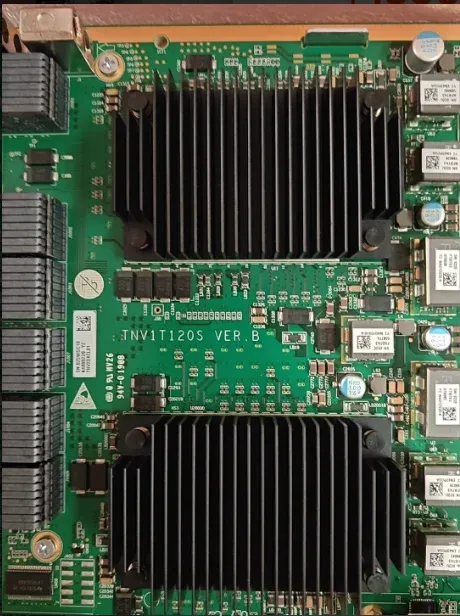
The Huawei TNV1T120S is the flagship OTU line interface board of the Huawei OSN9800 series optical transmission platform, representing the advanced technology level in the current optical transmission network field.As a single board 1.2T ultra large capacity transmission solution, TNV1T120S is designed to meet core needs such as explosive growth of data traffic in the 5G era, rapid development of cloud computing services, and continuous expansion and upgrading of backbone networks.
This board adopts industry-leading 200G/100G tunable optical module technology, combined with Huawei's self-developed enhanced soft decision forward error correction (SD-FEC) algorithm and flexible grid (FlexGrid) wavelength allocation technology, achieving comprehensive breakthroughs in transmission capacity, spectrum efficiency, transmission distance, and intelligent operation and maintenance.It is not only the fundamental unit for building a super 100G optical transmission network, but also a key component for achieving the strategic transformation of all-optical networks (AON).
2,Detailed technical specifications and parameters
Transmission performance specifications
System capacity: The maximum capacity of a single board is 1.2Tbit/s, achieved through 6 independent 200G channels
Line speed: Supports OTU4 (112Gbps), OTU3 (43Gbps), OTU2 (10.7Gbps) standard speeds
Wavelength range: Full coverage of C-band, specifically from 1528.77nm to 1566.72nm
Wavelength Interval: Supports flexible adjustment of 50GHz and 100GHz, with a tuning step size of 12.5GHz
Modulation format: Software configurable DP-16QAM, DP-QPSK, DP-BPSK, three advanced modulation formats
FEC performance: Huawei enhanced SD-FEC, encoding gain ≥ 10dB, redundancy overhead 20% configurable
Transmission distance: about 500km when using DP-16QAM, about 1500km for DP-QPSK, and over 3000km for DP-BPSK (based on G.652 fiber)
Hardware physical specifications
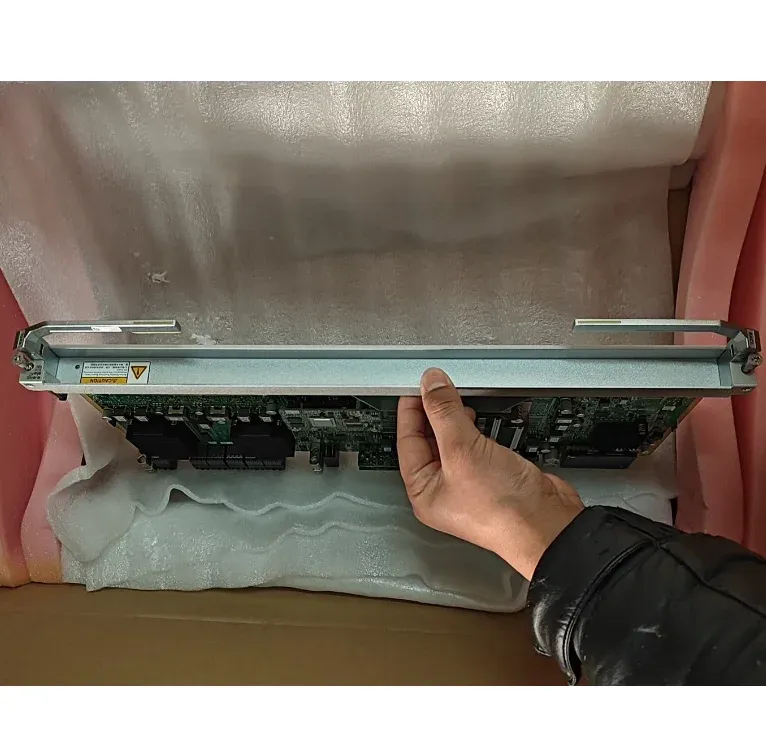
Board size: Complies with Huawei OSN9800 platform standard single board size, height 1U, depth 300mm
Interface configuration: The front panel provides 6 LC/PC type tunable optical interfaces, supporting bidirectional transmission
Power consumption characteristics: Typical operating power consumption is 250-350W, depending on modulation format and business load
Working temperature: Commercial grade temperature range -5°C to+55°C
Storage temperature: -40°C to+70°C Wide range storage
Environmental humidity: 5% to 95% relative humidity (non condensing conditions)
Reliability index: Mean Time Between Failures (MTBF)>300000 hours
Product weight: Net weight of approximately 2.3kg, including packaging weight of approximately 3.5kg
3,Detailed explanation of core technical characteristics
Flexible Spectrum and Rate Technology
TNV1T120S adopts third-generation tunable laser technology, combined with Huawei's self-developed digital signal processing (DSP) chip, to achieve comprehensive software definability of wavelength, rate, and modulation format.In practical deployment, operation and maintenance personnel can remotely adjust the center frequency of each channel through the network management system (with an accuracy of ±0.5GHz), and flexibly switch between DP-16QAM, DP-QPSK, and DP-BPSK modulation formats according to transmission distance requirements.This flexibility enables the network to dynamically adapt to different scenario requirements: in short distance data center interconnection scenarios, DP-16QAM with high spectral efficiency (up to 8-bit/s/Hz) can be used, while in long-distance backbone transmission, DP-QPSK or DP-BPSK with high fault tolerance can be switched.
Advanced coding and error correction technology
The board integrates Huawei's sixth generation enhanced soft decision forward error correction (SD-FEC) technology.This technology adopts a multi-level coding structure and iterative decoding algorithm, achieving a net coding gain of over 10dB with 20% redundancy overhead.Compared with the traditional hard decision FEC (about 6dB gain), SD-FEC reduces the optical signal to noise ratio (OSNR) tolerance of the system by more than 4dB, which is equivalent to reducing the transmission power by 60% at the same transmission distance, or extending the transmission distance by 40% at the same transmission power.This characteristic is of decisive significance for long-distance transmission and complex fiber optic link environments.
Intelligent Light Layer Management
TNV1T120S is equipped with a comprehensive Optical Performance Monitoring (OPM) subsystem, which can monitor and report over 20 key optical parameters in real-time, including input/output optical power (monitoring accuracy±0.5dB), optical signal-to-noise ratio (monitoring accuracy±0.5dB), center frequency offset (monitoring accuracy±0.5GHz), and polarization related losses for each channel.The system supports performance trend prediction based on machine learning, which can warn of possible performance degradation 24-72 hours in advance, transforming traditional passive fault handling into proactive preventive maintenance.
4,System compatibility and configuration requirements
Platform compatibility requirements
Hardware Platform: Must be deployed on Huawei OSN9800 series transmission devices, including OSN9800 U64 (64 slot) and U32 (32 slot) subrack models
Slot compatibility: Supports any business board slot in the subrack, but attention should be paid to heat dissipation planning.It is recommended to insert boards at intervals to ensure heat dissipation efficiency
Power requirement: The maximum power consumption of a single board is 350W, and the sub rack power system is required to have sufficient margin. It is recommended to configure the power module with N+1 redundancy
Heat dissipation requirements: When fully equipped, the computer room air conditioning system needs to ensure that the ambient temperature does not exceed 40°C, and all sub rack fan modules need to be in place and running normally
Software and Management System Requirements
Network management system: requires Huawei U2000 (version V200R019C10 and above) or NCE-T intelligent control system (version V100R020C10 and above)
Equipment software: OSN9800 platform system software needs to be V100R018C10 or higher version
Functional license: Some advanced features (such as flexible grid, super channel, advanced FEC, etc.)require separate purchase and activation of software license
Synchronized clock: An external BIT clock source is required or the clock is obtained through synchronous Ethernet, and the clock accuracy must meet the G.812 standard
Fiber optic and line requirements
Fiber type: Supports G.652.D standard single-mode fiber, it is recommended to use low loss fiber (attenuation ≤ 0.19dB/km)
Link budget: Detailed optical power budget calculation is required before deployment, considering fiber attenuation, connector loss, fusion loss, etc
Dispersion management: It is necessary to configure appropriate dispersion compensation modules (DCM) or use dispersion compensation fibers for long-distance transmission
Nonlinear management: It is necessary to control the input optical power to avoid nonlinear effects such as stimulated Brillouin scattering (SBS) and four wave mixing (FWM)
5,Typical application scenario configuration
Backbone network deployment
In trunk networks, TNV1T120S is typically deployed in a 1+1 linear protection mode.A typical configuration is to configure a pair of cards (primary and backup) for each transmission direction, using DP-QPSK modulation format to ensure a relay free transmission distance of 800-1200km.Wavelength planning selects 6 out of 80 channels within the C-band, spaced 100GHz apart to avoid crosstalk.The system is configured with Huawei enhanced SD-FEC and equipped with automatic power balancing function to ensure that the difference in optical power between each channel does not exceed 1dB.In terms of business configuration, each 200G channel can carry 2 100GbE customer services or 1 OTU4 line service, and flexible bandwidth allocation is achieved through ODUflex containers.
Interconnection of Large Data Centers
In the Data Center Interconnection (DCI) scenario, DP-16QAM modulation format can be used to maximize spectral efficiency for short-range transmission of 20-80km.Use 50GHz wavelength spacing in the configuration to double the number of channels within the same spectrum range.Due to the short transmission distance, FEC redundancy can be appropriately reduced to 15% to improve effective bandwidth.In terms of protection, fiber routing diversity protection is usually used instead of board level protection to reduce costs.The business mapping adopts a direct mapping method to directly map the customer side 400GbE or 2×200GbE signals to the OTUCn container, achieving the lowest latency transmission (end-to-end latency can be controlled within 50μs).
5G pre transmission and mid transmission bearer
In the 5G carrier scenario, TNV1T120S is mainly used in the urban core layer to undertake traffic aggregation for multiple access rings.A typical configuration is to allocate the six 200G channels of the board to different business areas or access rings, using DP-QPSK modulation to adapt to transmission distances of 50-200km within the metropolitan area.Each 200G channel is divided into multiple flexible service channels using ODUflex slicing technology, carrying 5G forward (eCPRI), intermediate (IPRAN), and backhaul (IP/MPLS) services respectively.The system is configured with a hierarchical QoS strategy to ensure different SLA requirements for 5G network slicing.The end-to-end latency of uRLLC services can be guaranteed to be within 1ms, and the bandwidth of eMBB services can be guaranteed to be above 10Gbps.
6,Operation and Maintenance Management and Fault Handling
Daily monitoring indicator system
Operations personnel need to focus on monitoring the following key performance indicators (KPIs):
Optical layer performance: Input optical power (reference value: -18 to -3ddB), output optical power (reference value: 0 to+5dBm), OSNR value (requirements: DP-16QAM>18dB, DP-QPSK>15dB, DP-BPSK>12dB) for each channel
Error Performance: Pre FEC Error Rate (Requirement:<2.4E-2), Post FEC Error Rate (Requirement:<1E-15), Error Second Count, and Severe Error Second Count
Frequency stability: center frequency offset (requirement:<±1GHz), wavelength drift rate
Temperature status: laser temperature (requirement:<65°C), board ambient temperature (requirement:<55°C
Power consumption data: real-time power consumption values, power consumption trend changes
Common fault handling process
Channel interruption fault: First, check if the optical power is within the normal range.If the optical power is abnormal, check the fiber connection and clean the optical interface;If the optical power is normal but the OSNR is too low, check the quality of the fiber optic line or adjust the transmission power;If all the above are normal but still unable to establish a connection, consider replacing the optical module or single board.
Error rate too high fault: Check and optimize FEC configuration parameters, adjust modulation format to adapt to actual link conditions, check and optimize dispersion compensation scheme, and investigate the impact of fiber nonlinear effects.
Wavelength loss lock fault: Check the stability of the ambient temperature (temperature fluctuation<±5°C/hour required), re execute the wavelength calibration procedure, check the aging status of the laser (service life>8 years), and replace the single board if necessary.
Single board communication interruption: Check if the backplane connection is reliable, re plug and unplug the single board, check the status of the sub rack control board, upgrade or reinstall the single board software.
Preventive Maintenance Plan
Daily: Check all alarms and performance limit events through the network management system, and record trends in key performance indicators.
Weekly: Analyze performance data trends, predict potential performance degradation, and perform fiber optic connector cleaning.
Monthly: Conduct comprehensive optical power and OSNR testing, calibrate monitoring accuracy, and backup network configuration data.
Quarterly: Conduct protection switching tests to verify fault recovery capabilities, clean equipment dust screens and heat dissipation channels.
Every year: Conduct systematic health checks, assess equipment aging status, and develop upgrade or replacement plans.
7,Technical Advantages and Value Analysis
Capacity and efficiency advantages
Compared with traditional 100G systems, TNV1T120S increases single wave capacity by 100%, and single fiber transmission capacity can be increased from 8T to over 16T.In terms of spectrum efficiency, DP-16QAM modulation increases the efficiency from the traditional QPSK's 4 bit/s/Hz to 8 bit/s/Hz, which means that double the amount of traffic can be transmitted under the same spectrum resources.In terms of power efficiency, through advanced chip technology and heat dissipation design, the transmission power consumption per bit is reduced by about 35%, which can save millions of yuan in electricity bills annually for large networks with tens of thousands of boards.
Operations and Cost Advantages
The software defined features of TNV1T120S greatly simplify network operation and maintenance.Traditional network wavelength or speed adjustment requires on-site hardware replacement, which takes several days, while TNV1T120S supports remote software configuration, reducing adjustment time to minutes.The flexible speed and modulation format switching capability enable the network to dynamically optimize according to business needs, and the resource utilization rate can be increased from traditional 40-50% to 70-80%.In terms of investment protection, the forward compatibility design of the board ensures that the existing 100G network can be smoothly upgraded to 200G, protecting existing investments.
Reliability advantage
Through multi-layer protection mechanisms (optical layer 1+1 protection, board level protection, network level protection) and enhanced FEC technology, the system availability reaches over 99.999%.The intelligent warning system can shorten the mean time to repair (MTTR) from the traditional hourly level to the minute level.The key components of the board adopt industrial grade standards, with a design life of over 10 years and an average fault free time of over 300000 hours, providing a guarantee for the long-term stable operation of the network.
8,Ordering and Service Information
Standard ordering configuration
The basic ordering part number is 02310WQX, and the minimum order unit is 1 single board.The standard delivery cycle is 4-6 weeks, and emergency orders can be shortened to 2-3 weeks.The packaging includes the host board packaged in anti-static bags, product manual, certificate of conformity, and software license authorization documents.
Recommended supporting components include: WSD9/WSD5 optical amplifier board for line amplification, HBA/HPA board for power amplification, system control communication board SCC, auxiliary interface board AUX, and power access board PWA/PWB.For scenarios requiring high reliability, it is recommended to order a 1+1 protection configuration package, which includes all necessary protection connection components and configuration services.
Service Level and Support
Provide multi-level technical support services:
Standard service (7x24 telephone support, on-site response on the next business day): includes software upgrade support, remote fault diagnosis, and hardware replacement services.
Advanced Services (7x24, 4-hour on-site response): Add proactive preventive maintenance, quarterly health check ups, and annual network optimization services.
Platinum Service (7x24, 2-hour on-site response): Provides customized service plans and business impact analysis support.
Key Business Support Services (7x24, 1-hour on-site response): Provide the highest level of business support, including network design and optimization consulting, emergency plan development, and drills.
Lifecycle Management Policy
TNV1T120S is currently in the mainstream sales and support stage.According to Huawei's standard product lifecycle policy, a formal notice will be issued 5 years before the product is discontinued.After the shutdown, Huawei will continue to provide spare parts supply for at least 5 years and technical support services for 7 years.In terms of software support, major versions will receive at least 5 years of feature enhancement and defect repair support, with longer support for security patches.
It is recommended that customers register product information immediately after device deployment in order to receive product lifecycle notifications and security vulnerability notices in a timely manner. For deployed devices, it is recommended to regularly visit the Huawei technical support website to obtain the latest software versions and security patch information, in order to keep the system in optimal operating condition.
Product Description

Packing & Shipping

Company Introduction







Contact Us
Yantai Boxin International Trade Co., Ltd.
Click the number to chat on WhatsApp or send an email. WeChat ID is the same as the phone number.
Yantai Boxin International Trading Co., Ltd. is a professional comprehensive trading service provider for communication equipment.With warehouses established in Yantai and Hong Kong, we have built a complete and localized network for delivering communication products and services.In 2018, Yantai Boxin International Trading Co., Ltd. set up its international sales department in Yantai, China.Based in China, we operate in emerging markets across Southeast Asia, India, the Middle East, Africa, Europe, and the United States.
Yantai Boxin International Trading Co., Ltd. supplies products to various telecom operators, meeting their needs for supplementing and expanding 2G/3G/4G/5G network stations.Our current equipment portfolio covers brands such as Nokia, Ericsson, Alcatel, Huawei, ZTE, ZTT, and FiberHome.
We expand our international market share by offering high-quality products, excellent service, competitive pricing, and timely delivery.Feel free to contact us for more information.
توضیحات محصول
1. Product Overview
The Huawei TNV1T120S is the flagship OTU line interface board of the Huawei OSN9800 series optical transmission platform, representing the advanced technology level in the current optical transmission network field.As a single board 1.2T ultra large capacity transmission solution, TNV1T120S is designed to meet core needs such as explosive growth of data traffic in the 5G era, rapid development of cloud computing services, and continuous expansion and upgrading of backbone networks.
This board adopts industry-leading 200G/100G tunable optical module technology, combined with Huawei's self-developed enhanced soft decision forward error correction (SD-FEC) algorithm and flexible grid (FlexGrid) wavelength allocation technology, achieving comprehensive breakthroughs in transmission capacity, spectrum efficiency, transmission distance, and intelligent operation and maintenance.It is not only the fundamental unit for building a super 100G optical transmission network, but also a key component for achieving the strategic transformation of all-optical networks (AON).
2,Detailed technical specifications and parameters
Transmission performance specifications
System capacity: The maximum capacity of a single board is 1.2Tbit/s, achieved through 6 independent 200G channels
Line speed: Supports OTU4 (112Gbps), OTU3 (43Gbps), OTU2 (10.7Gbps) standard speeds
Wavelength range: Full coverage of C-band, specifically from 1528.77nm to 1566.72nm
Wavelength Interval: Supports flexible adjustment of 50GHz and 100GHz, with a tuning step size of 12.5GHz
Modulation format: Software configurable DP-16QAM, DP-QPSK, DP-BPSK, three advanced modulation formats
FEC performance: Huawei enhanced SD-FEC, encoding gain ≥ 10dB, redundancy overhead 20% configurable
Transmission distance: about 500km when using DP-16QAM, about 1500km for DP-QPSK, and over 3000km for DP-BPSK (based on G.652 fiber)
Hardware physical specifications
Board size: Complies with Huawei OSN9800 platform standard single board size, height 1U, depth 300mm
Interface configuration: The front panel provides 6 LC/PC type tunable optical interfaces, supporting bidirectional transmission
Power consumption characteristics: Typical operating power consumption is 250-350W, depending on modulation format and business load
Working temperature: Commercial grade temperature range -5°C to+55°C
Storage temperature: -40°C to+70°C Wide range storage
Environmental humidity: 5% to 95% relative humidity (non condensing conditions)
Reliability index: Mean Time Between Failures (MTBF)>300000 hours
Product weight: Net weight of approximately 2.3kg, including packaging weight of approximately 3.5kg
3,Detailed explanation of core technical characteristics
Flexible Spectrum and Rate Technology
TNV1T120S adopts third-generation tunable laser technology, combined with Huawei's self-developed digital signal processing (DSP) chip, to achieve comprehensive software definability of wavelength, rate, and modulation format.In practical deployment, operation and maintenance personnel can remotely adjust the center frequency of each channel through the network management system (with an accuracy of ±0.5GHz), and flexibly switch between DP-16QAM, DP-QPSK, and DP-BPSK modulation formats according to transmission distance requirements.This flexibility enables the network to dynamically adapt to different scenario requirements: in short distance data center interconnection scenarios, DP-16QAM with high spectral efficiency (up to 8-bit/s/Hz) can be used, while in long-distance backbone transmission, DP-QPSK or DP-BPSK with high fault tolerance can be switched.
Advanced coding and error correction technology
The board integrates Huawei's sixth generation enhanced soft decision forward error correction (SD-FEC) technology.This technology adopts a multi-level coding structure and iterative decoding algorithm, achieving a net coding gain of over 10dB with 20% redundancy overhead.Compared with the traditional hard decision FEC (about 6dB gain), SD-FEC reduces the optical signal to noise ratio (OSNR) tolerance of the system by more than 4dB, which is equivalent to reducing the transmission power by 60% at the same transmission distance, or extending the transmission distance by 40% at the same transmission power.This characteristic is of decisive significance for long-distance transmission and complex fiber optic link environments.
Intelligent Light Layer Management
TNV1T120S is equipped with a comprehensive Optical Performance Monitoring (OPM) subsystem, which can monitor and report over 20 key optical parameters in real-time, including input/output optical power (monitoring accuracy±0.5dB), optical signal-to-noise ratio (monitoring accuracy±0.5dB), center frequency offset (monitoring accuracy±0.5GHz), and polarization related losses for each channel.The system supports performance trend prediction based on machine learning, which can warn of possible performance degradation 24-72 hours in advance, transforming traditional passive fault handling into proactive preventive maintenance.
4,System compatibility and configuration requirements
Platform compatibility requirements
Hardware Platform: Must be deployed on Huawei OSN9800 series transmission devices, including OSN9800 U64 (64 slot) and U32 (32 slot) subrack models
Slot compatibility: Supports any business board slot in the subrack, but attention should be paid to heat dissipation planning.It is recommended to insert boards at intervals to ensure heat dissipation efficiency
Power requirement: The maximum power consumption of a single board is 350W, and the sub rack power system is required to have sufficient margin. It is recommended to configure the power module with N+1 redundancy
Heat dissipation requirements: When fully equipped, the computer room air conditioning system needs to ensure that the ambient temperature does not exceed 40°C, and all sub rack fan modules need to be in place and running normally
Software and Management System Requirements
Network management system: requires Huawei U2000 (version V200R019C10 and above) or NCE-T intelligent control system (version V100R020C10 and above)
Equipment software: OSN9800 platform system software needs to be V100R018C10 or higher version
Functional license: Some advanced features (such as flexible grid, super channel, advanced FEC, etc.)require separate purchase and activation of software license
Synchronized clock: An external BIT clock source is required or the clock is obtained through synchronous Ethernet, and the clock accuracy must meet the G.812 standard
Fiber optic and line requirements
Fiber type: Supports G.652.D standard single-mode fiber, it is recommended to use low loss fiber (attenuation ≤ 0.19dB/km)
Link budget: Detailed optical power budget calculation is required before deployment, considering fiber attenuation, connector loss, fusion loss, etc
Dispersion management: It is necessary to configure appropriate dispersion compensation modules (DCM) or use dispersion compensation fibers for long-distance transmission
Nonlinear management: It is necessary to control the input optical power to avoid nonlinear effects such as stimulated Brillouin scattering (SBS) and four wave mixing (FWM)
5,Typical application scenario configuration
Backbone network deployment
In trunk networks, TNV1T120S is typically deployed in a 1+1 linear protection mode.A typical configuration is to configure a pair of cards (primary and backup) for each transmission direction, using DP-QPSK modulation format to ensure a relay free transmission distance of 800-1200km.Wavelength planning selects 6 out of 80 channels within the C-band, spaced 100GHz apart to avoid crosstalk.The system is configured with Huawei enhanced SD-FEC and equipped with automatic power balancing function to ensure that the difference in optical power between each channel does not exceed 1dB.In terms of business configuration, each 200G channel can carry 2 100GbE customer services or 1 OTU4 line service, and flexible bandwidth allocation is achieved through ODUflex containers.
Interconnection of Large Data Centers
In the Data Center Interconnection (DCI) scenario, DP-16QAM modulation format can be used to maximize spectral efficiency for short-range transmission of 20-80km.Use 50GHz wavelength spacing in the configuration to double the number of channels within the same spectrum range.Due to the short transmission distance, FEC redundancy can be appropriately reduced to 15% to improve effective bandwidth.In terms of protection, fiber routing diversity protection is usually used instead of board level protection to reduce costs.The business mapping adopts a direct mapping method to directly map the customer side 400GbE or 2×200GbE signals to the OTUCn container, achieving the lowest latency transmission (end-to-end latency can be controlled within 50μs).
5G pre transmission and mid transmission bearer
In the 5G carrier scenario, TNV1T120S is mainly used in the urban core layer to undertake traffic aggregation for multiple access rings.A typical configuration is to allocate the six 200G channels of the board to different business areas or access rings, using DP-QPSK modulation to adapt to transmission distances of 50-200km within the metropolitan area.Each 200G channel is divided into multiple flexible service channels using ODUflex slicing technology, carrying 5G forward (eCPRI), intermediate (IPRAN), and backhaul (IP/MPLS) services respectively.The system is configured with a hierarchical QoS strategy to ensure different SLA requirements for 5G network slicing.The end-to-end latency of uRLLC services can be guaranteed to be within 1ms, and the bandwidth of eMBB services can be guaranteed to be above 10Gbps.
6,Operation and Maintenance Management and Fault Handling
Daily monitoring indicator system
Operations personnel need to focus on monitoring the following key performance indicators (KPIs):
Optical layer performance: Input optical power (reference value: -18 to -3ddB), output optical power (reference value: 0 to+5dBm), OSNR value (requirements: DP-16QAM>18dB, DP-QPSK>15dB, DP-BPSK>12dB) for each channel
Error Performance: Pre FEC Error Rate (Requirement:<2.4E-2), Post FEC Error Rate (Requirement:<1E-15), Error Second Count, and Severe Error Second Count
Frequency stability: center frequency offset (requirement:<±1GHz), wavelength drift rate
Temperature status: laser temperature (requirement:<65°C), board ambient temperature (requirement:<55°C
Power consumption data: real-time power consumption values, power consumption trend changes
Common fault handling process
Channel interruption fault: First, check if the optical power is within the normal range.If the optical power is abnormal, check the fiber connection and clean the optical interface;If the optical power is normal but the OSNR is too low, check the quality of the fiber optic line or adjust the transmission power;If all the above are normal but still unable to establish a connection, consider replacing the optical module or single board.
Error rate too high fault: Check and optimize FEC configuration parameters, adjust modulation format to adapt to actual link conditions, check and optimize dispersion compensation scheme, and investigate the impact of fiber nonlinear effects.
Wavelength loss lock fault: Check the stability of the ambient temperature (temperature fluctuation<±5°C/hour required), re execute the wavelength calibration procedure, check the aging status of the laser (service life>8 years), and replace the single board if necessary.
Single board communication interruption: Check if the backplane connection is reliable, re plug and unplug the single board, check the status of the sub rack control board, upgrade or reinstall the single board software.
Preventive Maintenance Plan
Daily: Check all alarms and performance limit events through the network management system, and record trends in key performance indicators.
Weekly: Analyze performance data trends, predict potential performance degradation, and perform fiber optic connector cleaning.
Monthly: Conduct comprehensive optical power and OSNR testing, calibrate monitoring accuracy, and backup network configuration data.
Quarterly: Conduct protection switching tests to verify fault recovery capabilities, clean equipment dust screens and heat dissipation channels.
Every year: Conduct systematic health checks, assess equipment aging status, and develop upgrade or replacement plans.
7,Technical Advantages and Value Analysis
Capacity and efficiency advantages
Compared with traditional 100G systems, TNV1T120S increases single wave capacity by 100%, and single fiber transmission capacity can be increased from 8T to over 16T.In terms of spectrum efficiency, DP-16QAM modulation increases the efficiency from the traditional QPSK's 4 bit/s/Hz to 8 bit/s/Hz, which means that double the amount of traffic can be transmitted under the same spectrum resources.In terms of power efficiency, through advanced chip technology and heat dissipation design, the transmission power consumption per bit is reduced by about 35%, which can save millions of yuan in electricity bills annually for large networks with tens of thousands of boards.
Operations and Cost Advantages
The software defined features of TNV1T120S greatly simplify network operation and maintenance.Traditional network wavelength or speed adjustment requires on-site hardware replacement, which takes several days, while TNV1T120S supports remote software configuration, reducing adjustment time to minutes.The flexible speed and modulation format switching capability enable the network to dynamically optimize according to business needs, and the resource utilization rate can be increased from traditional 40-50% to 70-80%.In terms of investment protection, the forward compatibility design of the board ensures that the existing 100G network can be smoothly upgraded to 200G, protecting existing investments.
Reliability advantage
Through multi-layer protection mechanisms (optical layer 1+1 protection, board level protection, network level protection) and enhanced FEC technology, the system availability reaches over 99.999%.The intelligent warning system can shorten the mean time to repair (MTTR) from the traditional hourly level to the minute level.The key components of the board adopt industrial grade standards, with a design life of over 10 years and an average fault free time of over 300000 hours, providing a guarantee for the long-term stable operation of the network.
8,Ordering and Service Information
Standard ordering configuration
The basic ordering part number is 02310WQX, and the minimum order unit is 1 single board.The standard delivery cycle is 4-6 weeks, and emergency orders can be shortened to 2-3 weeks.The packaging includes the host board packaged in anti-static bags, product manual, certificate of conformity, and software license authorization documents.
Recommended supporting components include: WSD9/WSD5 optical amplifier board for line amplification, HBA/HPA board for power amplification, system control communication board SCC, auxiliary interface board AUX, and power access board PWA/PWB.For scenarios requiring high reliability, it is recommended to order a 1+1 protection configuration package, which includes all necessary protection connection components and configuration services.
Service Level and Support
Provide multi-level technical support services:
Standard service (7x24 telephone support, on-site response on the next business day): includes software upgrade support, remote fault diagnosis, and hardware replacement services.
Advanced Services (7x24, 4-hour on-site response): Add proactive preventive maintenance, quarterly health check ups, and annual network optimization services.
Platinum Service (7x24, 2-hour on-site response): Provides customized service plans and business impact analysis support.
Key Business Support Services (7x24, 1-hour on-site response): Provide the highest level of business support, including network design and optimization consulting, emergency plan development, and drills.
Lifecycle Management Policy
TNV1T120S is currently in the mainstream sales and support stage.According to Huawei's standard product lifecycle policy, a formal notice will be issued 5 years before the product is discontinued.After the shutdown, Huawei will continue to provide spare parts supply for at least 5 years and technical support services for 7 years.In terms of software support, major versions will receive at least 5 years of feature enhancement and defect repair support, with longer support for security patches.
It is recommended that customers register product information immediately after device deployment in order to receive product lifecycle notifications and security vulnerability notices in a timely manner. For deployed devices, it is recommended to regularly visit the Huawei technical support website to obtain the latest software versions and security patch information, in order to keep the system in optimal operating condition.
توضیحات محصول
Packing & Shipping
Company Introduction
تماس با ما
Yantai Boxin International Trade Co., Ltd.
برای گفتگو در واتساپ روی شماره کلیک کنید یا ایمیل بفرستید. شناسه ویچت با شماره تلفن یکسان است.
Technical Specificationsمشخصات فنی
Frequency & Bandsفرکانس و باندها
Supports 2G/3G/4G/5G frequency bands. Detailed band specifications depend on the specific model and configuration. Contact our sales team for the exact band coverage of your target market.
Interfaces & Connectorsرابطها و کانکتورها
Standard telecom interfaces including optical ports, RF connectors, Ethernet ports and power interfaces. Connector types and quantities vary by product model. Full interface specifications available in the product datasheet.
Power & Consumptionتوان و مصرف
Operating voltage range, power consumption and power supply requirements differ by equipment type. Typical operating temperature range: -40°C to +55°C. Detailed power specifications provided on request.
Certifications & Complianceگواهیها و انطباق
Products comply with CE, RoHS, FCC and ISO 9001 standards where applicable. Certification documents and test reports are available for verified B2B customers upon request.
Compatibility & Deploymentسازگاری و استقرار
Compatible with major telecom infrastructure vendors. Suitable for indoor and outdoor deployment scenarios including base stations, transmission nodes and optical distribution networks. Custom configurations available for large-scale projects.
Request a Bulk Quoteدرخواست قیمت عمده
Need this product in volume? Contact our sales team for competitive B2B pricing, customization options and shipping arrangements. We respond within 24 hours.این محصول را بهصورت عمده نیاز دارید؟ برای قیمت رقابتی B2B، سفارشیسازی و حمل با تیم فروش تماس بگیرید. ظرف ۲۴ ساعت پاسخ میدهیم.