(1).png?w=2643&h=1585)
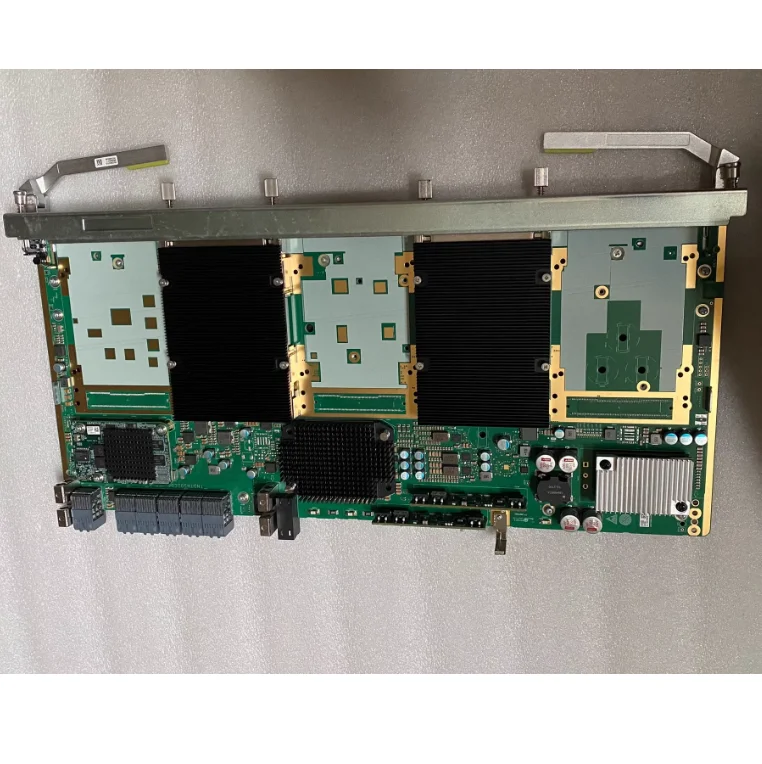
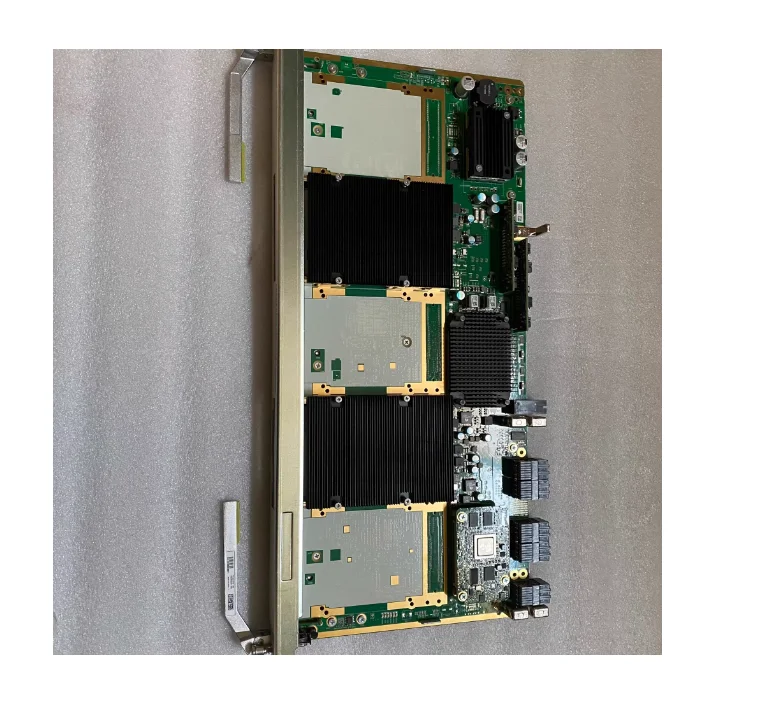
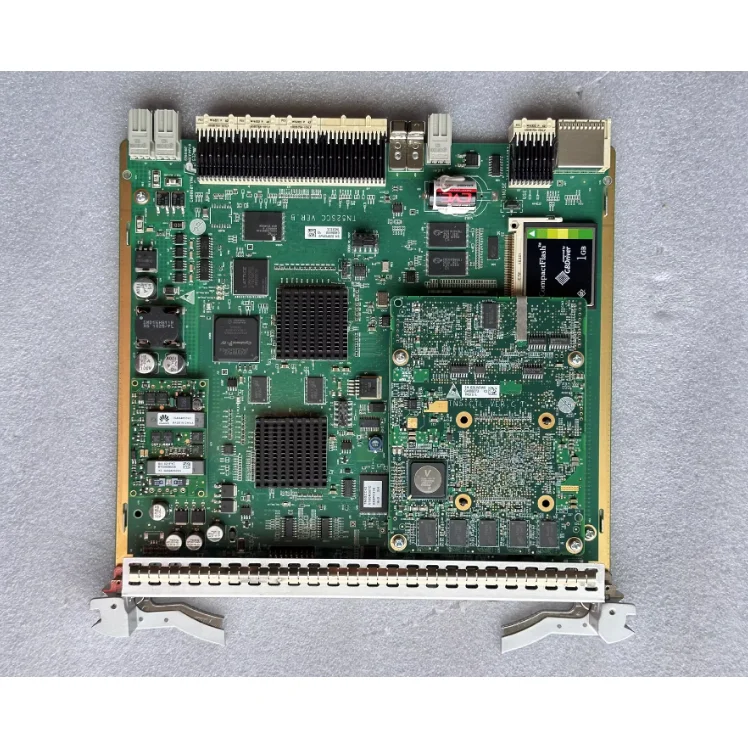
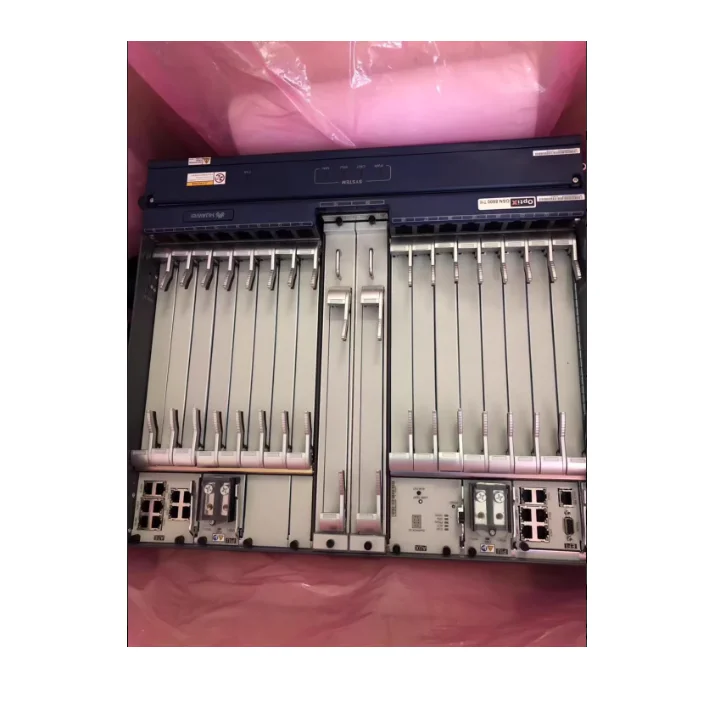
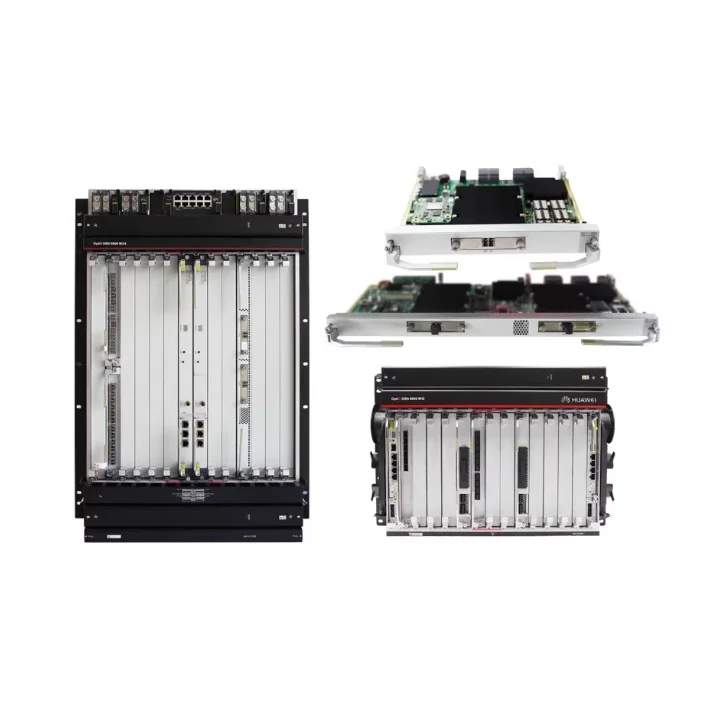
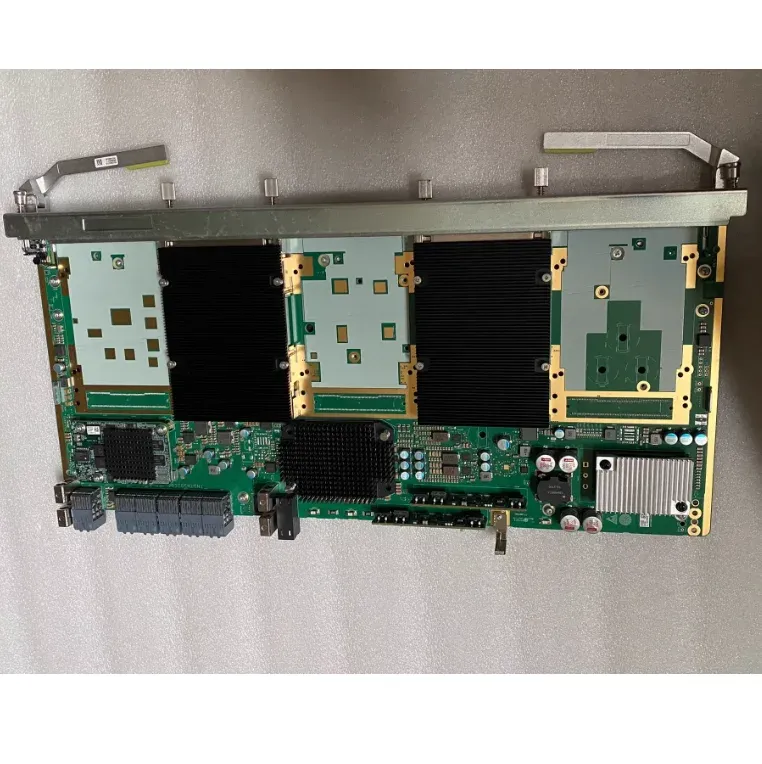
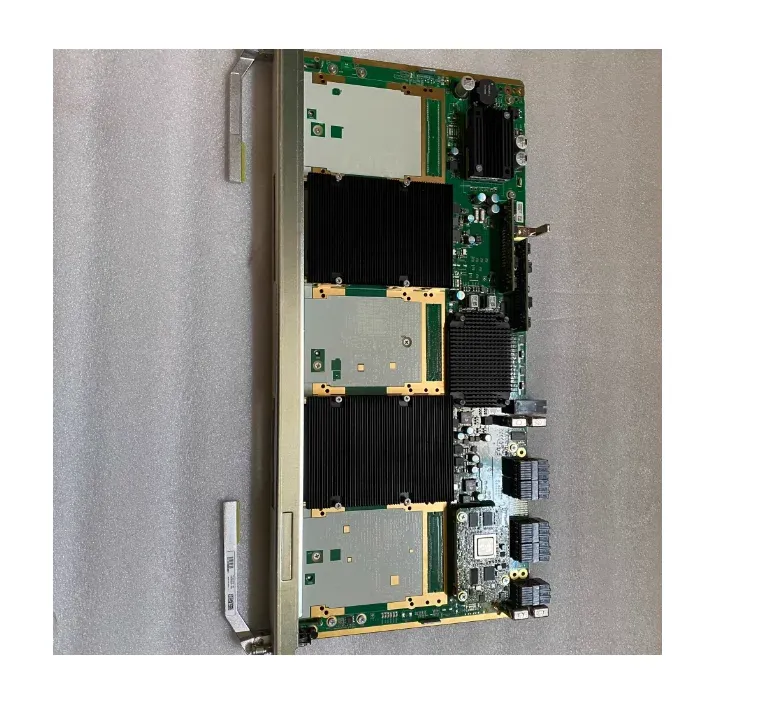
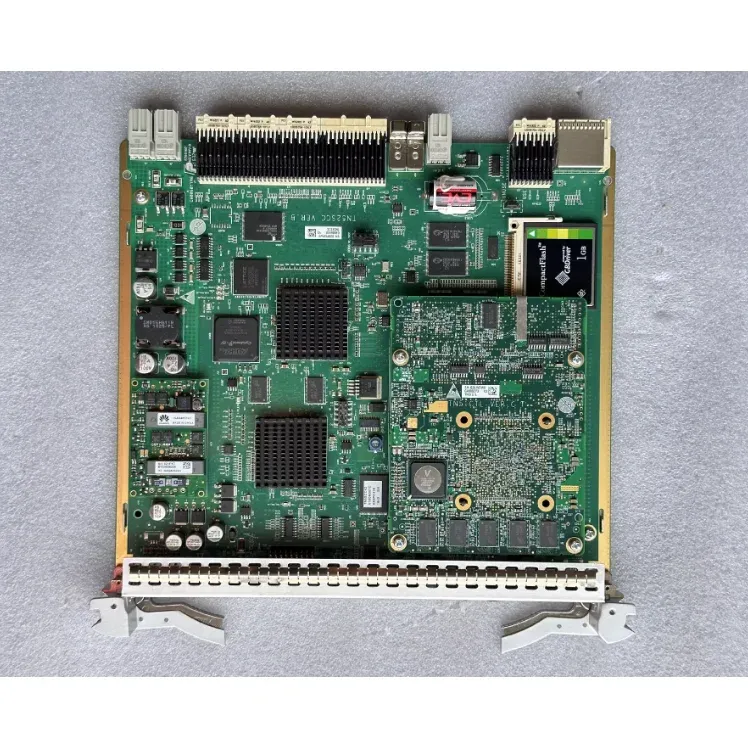
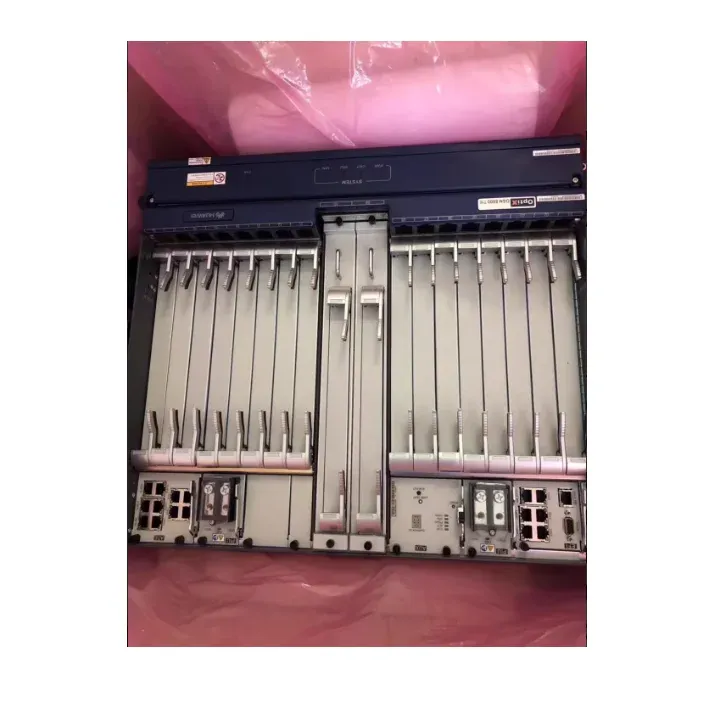
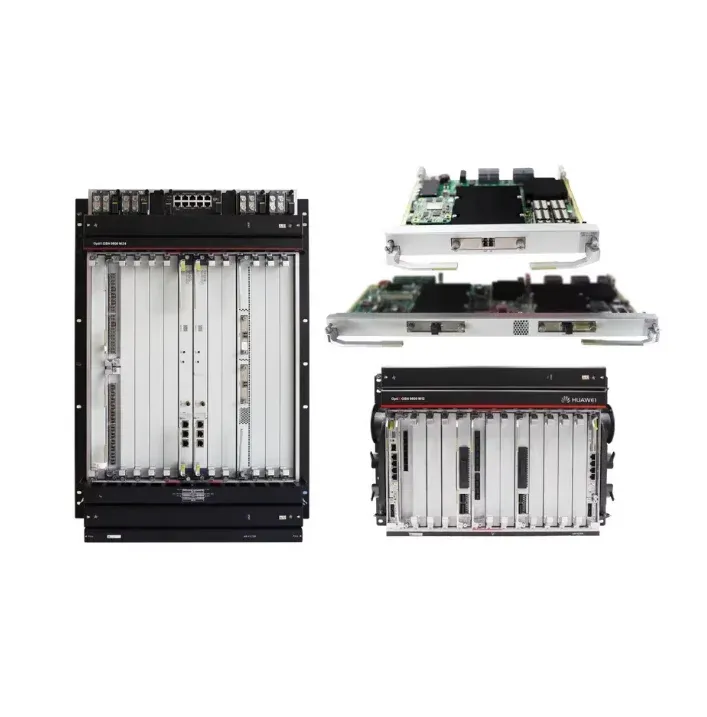
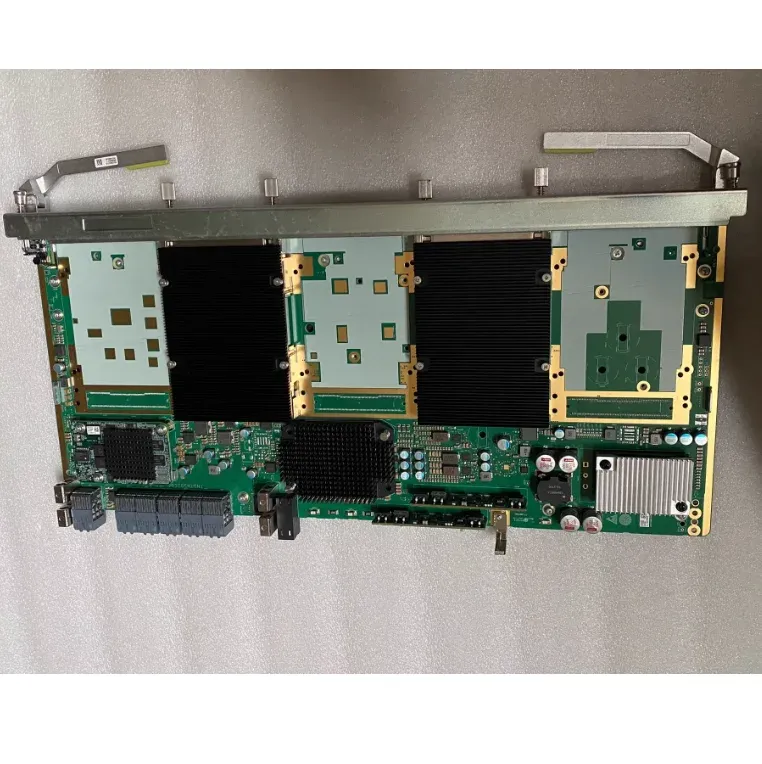
TNV2N401 Wavelength Division Board OSN9800 Platform Is Designed Specifically for Enhancing Complex Links
1601685962119_Piece/Pieces
Yantai Boxin International Trading Co., Ltd. is a professional comprehensive trading service provider for communication equipment.With warehouses established in Yantai and Hong Kong, we have built a complete and localized network for delivering communication products and services.In 2018, Yantai Boxin International Trading Co., Ltd. set up its international sales department in Yantai, China.Based in China, we operate in emerging markets across Southeast Asia, India, the Middle East, Africa, Europe, and the United States.
Yantai Boxin International Trading Co., Ltd. supplies products to various telecom operators, meeting their needs for supplementing and expanding 2G/3G/4G/5G network stations.Our current equipment portfolio covers brands such as Nokia, Ericsson, Alcatel, Huawei, ZTE, ZTT, and FiberHome.
We expand our international market share by offering high-quality products, excellent service, competitive pricing, and timely delivery.Feel free to contact us for more information.
Product Description
1. Product Overview
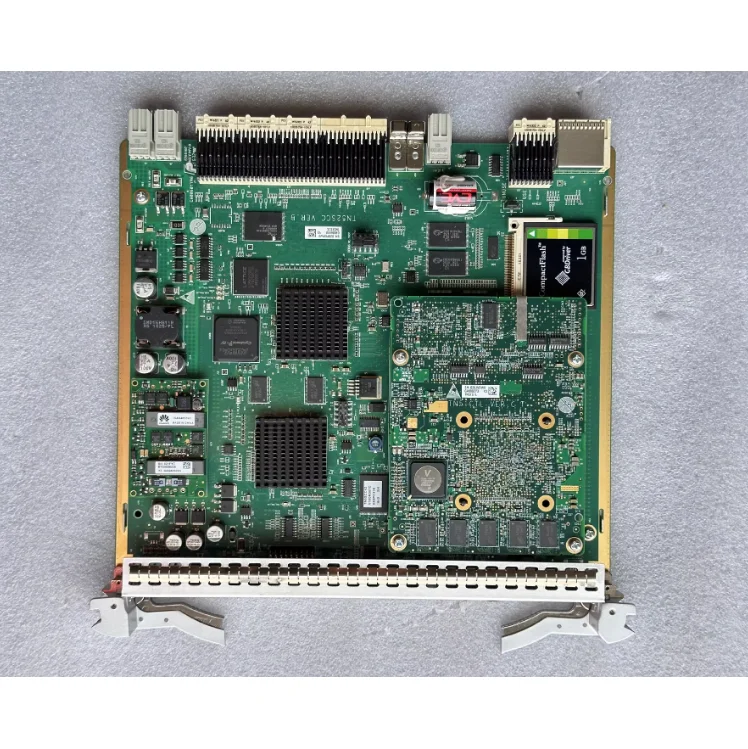
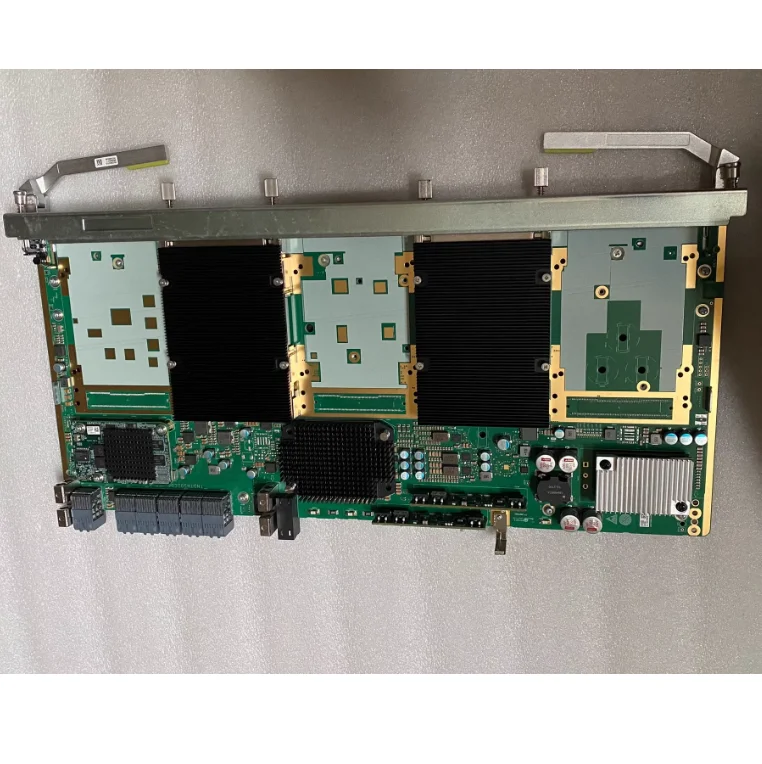
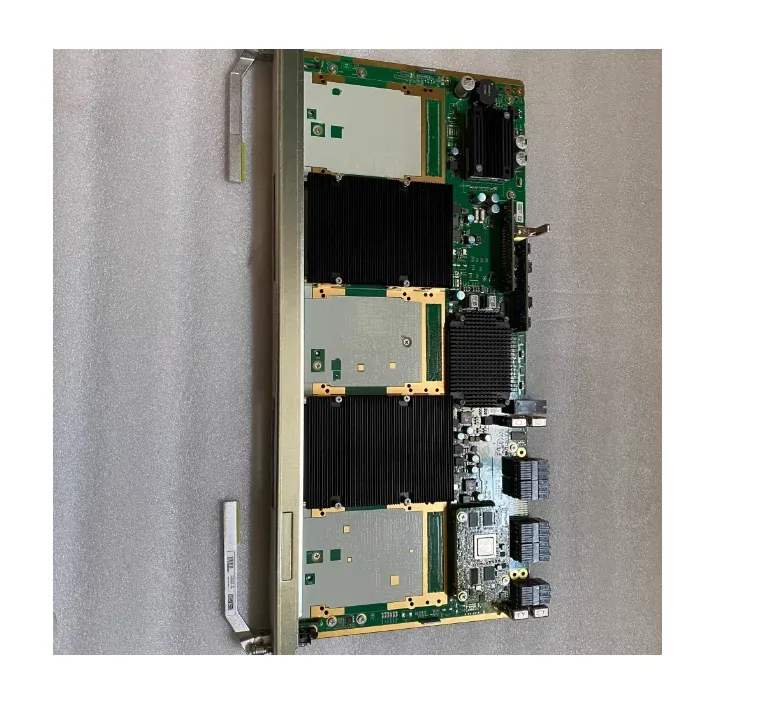
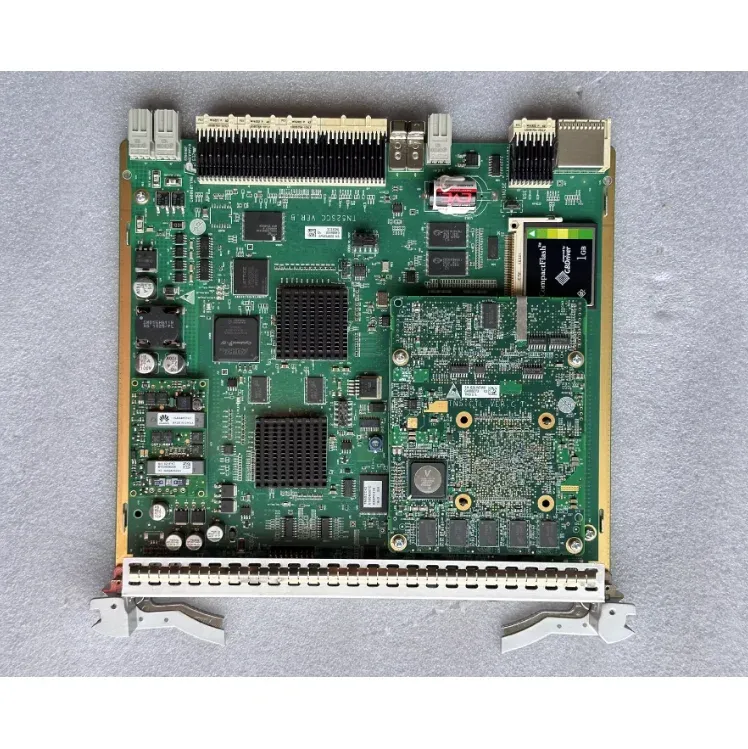
TNV2N401 is the main enhanced wavelength division circuit board designed for complex transmission environments and medium-sized network requirements on the Huawei OSN9800 platform.It occupies a core position in Huawei's"N" series of professional optimization product lines, serving as a bridge between the past and the future.On the basis of an 8-channel architecture, this board improves the single channel performance to a tunable rate of 400G/200G, while deeply integrating Huawei's professional technologies in nonlinear compensation, noise suppression, long-distance transmission, and other fields.It provides a transmission solution with excellent performance and reliability for regional backbone networks, large metropolitan core networks, and harsh environment enterprise private networks.
At the critical stage of the transition from " scale expansion " to " quality deepening " in current optical network construction, a large number of medium-sized network nodes are facing increasingly complex challenges: transmission distances have extended from traditional tens of kilometers to hundreds of kilometers, fiber optic links may traverse multiple geographical environments and climate zones, and business types have expanded from single bandwidth services to differentiated SLA guarantees. Traditional standard boards often struggle in these complex scenarios, while fully functional professional boards may exceed actual needs and budget ranges. TNV2N401 has accurately grasped this market pain point and achieved professional level transmission guarantee on an 8-channel medium density architecture through the design philosophy of " moderate performance+deep optimization " , providing network operators and enterprise customers with the " just right " technology choice.
2.Enhanced Architecture Design and Core Technologies
Optimized eight channel architecture
TNV2N401 adopts a market validated eight channel design with a total transmission capacity of 1.6Tbit/s (8 × 200G) or 3.2Tbit/s (8 × 400G), which perfectly matches the actual business carrying requirements of medium-sized network nodes.Each channel is equipped with an independent tunable laser array, with a tuning range covering the extended C-band (1529nm to 1565nm) and a tuning accuracy of ± 1GHz, supporting two standard grids of 50GHz and 100GHz.The modulation format supports DP-QPSK, DP-16QAM, and DP-64QAM (for short distance applications).Through intelligent algorithms, the optimal format is automatically selected based on transmission distance and fiber conditions.DP-QPSK mode can achieve 1200km wireless relay transmission on G.652 fiber, while DP-16QAM mode provides excellent spectral efficiency balance at metropolitan distances (≤ 600km).
Hardware design has achieved an industry-leading balance between performance and cost.The optical module adopts mature CFP2-DCO packaging, supports commercial and industrial temperature ranges, and has excellent long-term stability.The optical interface adopts high-density LC/PC connector design, supporting blind plug and hot plug, greatly simplifying on-site maintenance.The circuit design adopts Huawei's fifth generation coherent optical communication chipset, with a 50% increase in integration and a 30% reduction in power consumption compared to previous generation products, while maintaining carrier grade performance and reliability.
Deep Nonlinear Management System
Nonlinear management is the core technological advantage of TNV2N401, and the system adopts Huawei's fourth generation intelligent nonlinear compensation (iNLC 4.0) architecture.This architecture introduces multidimensional signal processing and innovative artificial intelligence optimization based on the traditional Digital Backpropagation (DBP) algorithm.The compensation engine consists of 256 parallel processing units and adopts a layered compensation strategy: the first layer compensates for the self phase modulation (SPM) effect and accurately calculates the nonlinear phase shift through the stepwise Fourier method;The second layer compensates for the cross phase modulation (XPM) effect by using correlation matrix analysis to eliminate inter channel interference;The third layer compensates for the four wave mixing (FWM) effect by suppressing newly generated frequency components through spectral analysis and notch filtering.
The innovation lies in the introduction of an adaptive learning mechanism, which continuously monitors the nonlinear characteristics of the optical fiber, including nonlinear coefficients, effective area, dispersion slope and other parameters, and automatically adjusts the compensation algorithm parameters.The learning algorithm is based on deep neural networks, and the training data comes from thousands of actual fiber optic links around the world, which can identify the unique nonlinear characteristics of different types of fibers.In actual deployment, the iNLC 4.0 system can reduce the nonlinear damage by 8-12dB, extend the transmission distance by 40% under the same input power, or increase the input power by 3dB under the same transmission distance.
Advanced noise suppression technology
In terms of noise optimization, TNV2N401 adopts a full link noise suppression strategy.At the transmitting end, a low phase noise laser and a precision temperature control system are used to compress the laser linewidth from the standard 100kHz to 50kHz, and the phase noise power spectral density is improved by 3dB.In the modulator drive circuit, a low-noise power supply design and electromagnetic shielding technology are adopted to reduce the power supply noise from 10mVrms to 2mVrms.At the receiving end, the transimpedance amplifier (TIA) adopts a noise cancellation architecture, with a noise figure optimized to 1.8dB and a bandwidth extended to 45GHz.
The clock recovery system has been specially enhanced with a dual loop phase-locked loop (PLL) design, where the fast loop tracks rapid frequency changes and the slow loop maintains long-term stability.The clock jitter has been reduced from 150fs to 80fs, and the clock recovery time has been shortened from 100 microseconds to 50 microseconds.The analog-to-digital converter (ADC) adopts oversampling and noise shaping techniques, with an effective bit count (ENOB) of 7 bits and a 4dB reduction in quantization noise.These improvements work together to increase the receiver sensitivity by 2dB, and can reduce the bit error rate from 10-3 to 10-5 when the OSNR is 18dB.
Intelligent Environment Adaptation System
Environmental adaptability is another design focus of TNV2N401.The working temperature range has been expanded to -10°C to+65°C, and the storage temperature range has been expanded to -40°C to+85°C, which can adapt to various climatic conditions from cold to tropical regions.The humidity adaptability has been improved to 5% to 95% non condensing, meeting the deployment requirements in coastal areas and high humidity environments.The dustproof design reaches IP42 level and can operate stably in environments with certain dust.
The temperature management system is intelligent, with 32 temperature sensors integrated inside the board to monitor the temperature of key chips, optical modules, and power modules in real time. When local overheating is detected, the system automatically adjusts the working status of relevant components: reduces the laser bias current, adjusts the modulator drive voltage, controls the fan speed, and temporarily shuts down non critical functions if necessary. The temperature control accuracy reaches ± 1°C, ensuring stable performance even in harsh environments.
3.Intelligent Operations and Reliability Engineering
Intelligent operation and maintenance system
The operation and maintenance system of TNV2N401 has achieved a transformation from"manual operation" to"intelligent assistance".The intelligent deployment wizard guides users through the entire process from hardware installation to business activation, with detailed graphic and video demonstrations for each step.The system automatically detects hardware status, verifies fiber optic connections, tests optical power and wavelength, establishes performance baselines, and shortens deployment time from traditional hours to minutes.
Status monitoring achieves multi-dimensional visualization, with a high-resolution color LCD screen on the front panel that displays real-time performance status of each channel: optical power is displayed in bar chart form, wavelength is displayed in spectrum chart form, and bit error rate is displayed in trend chart form.At the same time, a simple health rating is provided, with green indicating excellent (90-100 points), yellow indicating good (70-89 points), and red indicating needing attention (below 70 points), so that non professionals can quickly grasp the equipment status.
The fault prediction adopts machine learning algorithms, and the system continuously analyzes the performance data of each channel, including the trend of optical power variation, the distribution characteristics of bit error rate, and the temperature fluctuation law.When an abnormal mode is detected, generate a warning 24-48 hours in advance, such as"The bias current of the third channel laser is showing an upward trend and is expected to exceed the threshold in 30 days.It is recommended to check during the next maintenance.The prediction accuracy has reached 85% in practical applications, reducing unexpected failures by 70%.
Enhanced reliability design
Reliability design has reached new heights on TNV2N401.All key components adopt the"silver grade" screening criteria, including: high-temperature aging at 125°C for 1500 hours, low-temperature storage at -55°C for 1000 hours, temperature cycling for 1500 times (-40°C to+125°C), and high acceleration life testing for 800 hours.The screening elimination rate reaches 15%, ensuring that only the most reliable components enter the final product.
The protection mechanism achieves multi-level coverage.Hardware level protection includes laser automatic power control (APC), modulator bias voltage monitoring, receiver overload protection, etc., to prevent hardware damage.Link level protection supports 1+1 optical channel protection, with a switching time of less than 50 milliseconds; Supports 1:1 optical line protection with a switching time of less than 100 milliseconds.Business level protection collaborates with upper layer devices to automatically notify routers or switches to initiate path switching when continuous degradation of transmission quality is detected.
Life management introduces a health assessment system, which calculates the remaining life percentage of key components in real time: lasers are evaluated based on threshold current growth rate, modulators are evaluated based on driving voltage changes, and detectors are evaluated based on responsivity degradation.Generate replacement suggestions when the health level is below 30%, and trigger emergency alarms when it is below 10%.This refined lifespan management reduces unplanned maintenance by 80% and maintenance costs by 40%.
Remote Management and Automation
The remote management capability has been specially enhanced for distributed deployment scenarios.The in band management channel adopts independent wavelengths, completely isolated from the business channel, and remains connected even if the business is interrupted.The management protocol supports standard NETCONF/YANG and TL1, and is compatible with mainstream network management systems.The data transmission adopts AES-256 encryption and bidirectional authentication to ensure management security.
Remote diagnostic tools are rich and practical, including remote optical layer diagnosis, remote electrical layer diagnosis, remote loopback testing, etc.Optical layer diagnosis can measure parameters such as OSNR, optical power, wavelength accuracy, etc;Electric layer diagnosis can measure parameters such as bit error rate, eye opening, signal quality, etc;Loop testing can establish test loops between different nodes to locate faulty segments.Most problems can be solved through remote diagnosis, reducing on-site support requirements by 60%.
Automated operation and maintenance covers the entire lifecycle of equipment, including automatic configuration backup (once a day), automatic software updates (checked monthly), automatic performance reports (generated weekly), and automatic security scanning (executed daily).Operations personnel can preset operation and maintenance strategies, such as"conducting in-depth performance testing from 2:00 am to 4:00 am every Monday, automatically generating reports and sending alerts when abnormalities are found".Automated operations have reduced daily maintenance workload by 70%, allowing maintenance personnel to focus on more valuable optimization and innovation work.
4.Typical application scenarios
Regional backbone network transmission
In the regional backbone network, TNV2N401 undertakes the key task of connecting major cities and business hubs.These links typically have a distance of 200-800 kilometers and may pass through various terrains such as mountainous areas, plains, and rivers, with differences in fiber type and quality.The nonlinear management capability of TNV2N401 can adapt to the characteristic changes of different types of optical fibers, noise optimization improves signal quality after long-distance transmission, and intelligent environment adaptation ensures stable operation under various climatic conditions.
A typical deployment adopts a ring or mesh topology, with 2-4 TNV2N401 cards deployed on each node to form redundant protection.Channel allocation considers business flow and importance, with dedicated channels allocated for critical businesses and high-level protection configured, while common businesses share channel resources.Power management dynamically adjusts according to the actual situation in each direction, increasing power appropriately in directions with long distances and poor fiber quality, and reducing power in directions with short distances and good fiber quality, achieving power balance across the entire network.
After upgrading the backbone network of a certain city with TNV2N401, 400G DP-16QAM transmission was achieved on links with an average distance of 500 kilometers, which extended the transmission distance by 150 kilometers and increased the capacity by 4 times compared to traditional solutions.The intelligent operation and maintenance system has shortened the mean time to repair (MTTR) from 4 hours to 30 minutes, reducing operation and maintenance costs by 50%.
Large metropolitan core network
In the core network of large urban metropolitan areas, TNV2N401 serves as a core layer device to connect aggregation nodes in various regions. Although these networks have short distances (usually ≤ 80 kilometers), they have high business density, tight fiber resources, and nonlinear effects are more pronounced due to high power injection. The enhanced nonlinear compensation of TNV2N401 can support higher input power and provide greater capacity under the same fiber resources; Noise optimization improves reception sensitivity and allows for a more flexible optical power budget.
The network design adopts a dual star or full mesh topology, establishing direct links between core nodes to reduce intermediate transfers.The channel configuration is highly flexible and can be dynamically adjusted according to the tidal effect of business: more bandwidth is allocated to the office area during weekdays and more bandwidth is allocated to residential areas at night;Holidays are temporarily adjusted according to the activity situation.The protection strategies are differentiated.Key businesses such as finance and government affairs adopt 1+1 protection, and Internet traffic adopts sharing protection.
The urban area network of a certain city adopts TNV2N401 to build the core layer, achieving a total capacity of 3.2T over a distance of 75 kilometers, supporting broadband access for millions of users and dedicated line services for millions of enterprises.Intelligent power management has reduced overall power consumption by 25% and saved over 1 million yuan in electricity bills annually.
Strict Environment Enterprise Private Network
TNV2N401 provides reliable transmission support in the harsh environment of enterprise private networks in industries such as energy, transportation, and manufacturing.These networks may be deployed in special environments such as oil fields, mines, and railway lines, with large temperature fluctuations, high levels of dust, and strong electromagnetic interference.The enhanced environmental adaptability of TNV2N401 ensures stable operation under these harsh conditions, and the professional level reliability design reduces maintenance requirements.
The network architecture is customized according to business characteristics.The production control network adopts a ring topology to ensure high reliability, the video surveillance network adopts a tree topology to simplify management, and the office network adopts a star topology for easy expansion.Business isolation is achieved through hard pipelines, where different businesses are completely isolated and do not affect each other.Enhanced security management, supporting hardware encryption and end-to-end authentication to protect sensitive enterprise data.
A multinational enterprise has adopted TNV2N401 to build a global production dedicated network, connecting 50 production bases distributed in 20 countries.In the past 3 years of network operation, it has maintained 99.99% availability in various extreme environments such as high temperatures in deserts, high humidity at sea, and extreme cold in polar regions, providing reliable guarantees for safe production.
5G bearer backhaul layer
In the 5G network backhaul layer (between CU core networks), TNV2N401 provides a high-capacity, low latency, and highly reliable transmission solution.The return distance is usually between 50-200 kilometers, with high capacity requirements, strict latency requirements, and high clock synchronization accuracy.The large capacity feature of TNV2N401 meets the intensive deployment requirements of 5G base stations, the low latency design ensures the 5G business experience, and the high-precision clock support meets the requirements of 5G air interface synchronization.
Delay optimization is the focus, by streamlining the protocol stack, optimizing cache management, and adopting direct switching technologies, the transmission delay is controlled within 30 microseconds, and the delay jitter is less than 5 microseconds.Clock synchronization supports 1588v2 and synchronous Ethernet, with a time accuracy of ± 50 nanoseconds and a frequency accuracy of ± 0.01ppm.Intelligent business scheduling, dynamically adjusting resource allocation based on 5G business characteristics, and ensuring the highest priority and dedicated resource guarantee for uRLLC business.
The 5G network uses TNV2N401 to build the backhaul layer in cities, connecting 1000 5G base stations and supporting millions of 5G users.The measured data shows that the latency is stable at 20-40 microseconds, and the clock synchronization error is less than 30 nanoseconds, fully meeting the requirements of 5G eMBB and uRLLC services.
5.Economic benefits and investment value
Total Cost of Ownership Optimization
The economic value of TNV2N401 is reflected in cost optimization throughout its entire lifecycle.The procurement cost is 25-30% higher than standard boards of the same capacity, but 40-50% lower than fully functional professional boards.For most medium-sized applications, many advanced features of professional boards are actually not needed, and TNV2N401 provides"just enough" professional capabilities to avoid functional waste.
The operation and maintenance costs have been significantly reduced.Intelligent operation and maintenance have reduced daily operation and maintenance workload by 70%, remote management capabilities have reduced on-site support requirements by 60%, and predictive maintenance has reduced unplanned maintenance by 80%.Based on typical operation and maintenance costs, a single board can save approximately 5000 yuan in 5-year operation and maintenance costs.The energy consumption cost is reduced by 20-30% through intelligent power management, saving about 300 yuan in electricity bills per board per year and 1500 yuan in 5 years.
The risk cost is difficult to quantify but has enormous value.The enhanced reliability reduces business interruptions and avoids losses that may far exceed equipment costs.In a certain financial private network application, the high reliability of TNV2N401 has avoided several possible interruptions, and the estimated losses avoided each time are in the millions of yuan range.
Investment return analysis
The investment return analysis is based on a typical medium-sized network scenario.Assuming the deployment of 10 TNV2N401 cards to build a regional backbone network, the initial investment is 300000 yuan higher than the standard solution.However, within 5 years, the operation and maintenance costs will be saved by 250000 yuan, energy consumption will be saved by 75000 yuan, and the estimated loss avoided by reducing business interruptions is 500000 yuan.Overall, the investment payback period is 18 months, and the 5-year investment return rate reaches 300%.
The capacity benefit is significant, and the high-frequency spectral efficiency of TNV2N401 provides greater capacity under the same fiber resources.In areas with scarce fiber optic resources, avoiding a single fiber optic expansion saved millions of yuan in costs.The extension of transmission distance reduces the demand for regeneration stations, and the construction and maintenance cost of each regeneration station is about 2 million yuan.
The increase in business value and more reliable transmission support higher value businesses such as financial transactions, remote healthcare, industrial control, etc.These businesses are sensitive to transmission quality and are willing to pay a premium.After adopting TNV2N401, a cloud service provider was able to provide SLA guaranteed cloud dedicated line services, with a 20% increase in unit price and a 30% increase in customer satisfaction.
Long term value guarantee
Technological evolution ensures long-term value, and the hardware platform of TNV2N401 supports smooth upgrades. In the future, it can support higher rates by replacing optical modules; The software architecture supports continuous enhancement, and new features can be obtained through software upgrades; Compatibility ensures interconnectivity with future devices. Huawei promises at least 10 years of technical support and 5 years of feature enhancement.
The ecological value is gradually emerging, and TNV2N401, as an open platform, supports ecological partners to develop value-added applications.More than 30 partners have developed professional solutions based on this platform, covering multiple fields such as network planning, business activation, performance optimization, and security enhancement.These value-added applications further enhance the value of the equipment.
Sustainable development contributes to social value, and TNV2N401's high-efficiency design reduces energy consumption, making a contribution to carbon neutrality goals;Long life design reduces electronic waste and supports circular economy;Reliable operation ensures key social services such as healthcare, education, and government affairs.Although these social values are difficult to quantify, they are crucial for the long-term development of enterprises.
6.Technological Evolution and Ecological Support
Continuous technological evolution
The hardware evolution path is clear, and the next generation of products will improve in three aspects: processing performance will be increased by 50% through new architecture processors, power consumption will be reduced by 30% through new process technology, and density will be increased by 40% through new packaging technology.These improvements will ensure that TNV2N401 maintains its technological competitiveness in the next 5 years.
Software evolution is becoming more active, with feature enhancements released every 6 months and major upgrades released every 12 months.The recently planned functions include AI driven intelligent operation and maintenance, blockchain enhanced security management, and cloud native service architecture.These new features will be provided to existing users through software upgrades to protect existing investments.
Huawei actively participates in the evolution of standards, leading the development of multiple standards related to TNV2N401 in standard organizations such as ITU-T, IEEE, and OIF, including enhanced FEC standards, intelligent optical layer management standards, and open optical network interface standards.These standards will guide the technological development of the industry and ensure that the technical direction of TNV2N401 is consistent with the industry.
Improve ecological support
The technical support system is well-established, and a three-level support architecture is established: the first level is an online knowledge base and community forum to solve common problems, the second level is a technical hotline and remote support to solve professional problems, and the third level is on-site expert support to solve complex problems. Response time ranges from minutes to hours to ensure timely resolution of issues.
Product Description

Packing & Shipping

Company Introduction





Contact Us
Yantai Boxin International Trade Co., Ltd.
Click the number to chat on WhatsApp or send an email. WeChat ID is the same as the phone number.
Yantai Boxin International Trading Co., Ltd. is a professional comprehensive trading service provider for communication equipment.With warehouses established in Yantai and Hong Kong, we have built a complete and localized network for delivering communication products and services.In 2018, Yantai Boxin International Trading Co., Ltd. set up its international sales department in Yantai, China.Based in China, we operate in emerging markets across Southeast Asia, India, the Middle East, Africa, Europe, and the United States.
Yantai Boxin International Trading Co., Ltd. supplies products to various telecom operators, meeting their needs for supplementing and expanding 2G/3G/4G/5G network stations.Our current equipment portfolio covers brands such as Nokia, Ericsson, Alcatel, Huawei, ZTE, ZTT, and FiberHome.
We expand our international market share by offering high-quality products, excellent service, competitive pricing, and timely delivery.Feel free to contact us for more information.
توضیحات محصول
1. Product Overview
TNV2N401 is the main enhanced wavelength division circuit board designed for complex transmission environments and medium-sized network requirements on the Huawei OSN9800 platform.It occupies a core position in Huawei's"N" series of professional optimization product lines, serving as a bridge between the past and the future.On the basis of an 8-channel architecture, this board improves the single channel performance to a tunable rate of 400G/200G, while deeply integrating Huawei's professional technologies in nonlinear compensation, noise suppression, long-distance transmission, and other fields.It provides a transmission solution with excellent performance and reliability for regional backbone networks, large metropolitan core networks, and harsh environment enterprise private networks.
At the critical stage of the transition from " scale expansion " to " quality deepening " in current optical network construction, a large number of medium-sized network nodes are facing increasingly complex challenges: transmission distances have extended from traditional tens of kilometers to hundreds of kilometers, fiber optic links may traverse multiple geographical environments and climate zones, and business types have expanded from single bandwidth services to differentiated SLA guarantees. Traditional standard boards often struggle in these complex scenarios, while fully functional professional boards may exceed actual needs and budget ranges. TNV2N401 has accurately grasped this market pain point and achieved professional level transmission guarantee on an 8-channel medium density architecture through the design philosophy of " moderate performance+deep optimization " , providing network operators and enterprise customers with the " just right " technology choice.
2.Enhanced Architecture Design and Core Technologies
Optimized eight channel architecture
TNV2N401 adopts a market validated eight channel design with a total transmission capacity of 1.6Tbit/s (8 × 200G) or 3.2Tbit/s (8 × 400G), which perfectly matches the actual business carrying requirements of medium-sized network nodes.Each channel is equipped with an independent tunable laser array, with a tuning range covering the extended C-band (1529nm to 1565nm) and a tuning accuracy of ± 1GHz, supporting two standard grids of 50GHz and 100GHz.The modulation format supports DP-QPSK, DP-16QAM, and DP-64QAM (for short distance applications).Through intelligent algorithms, the optimal format is automatically selected based on transmission distance and fiber conditions.DP-QPSK mode can achieve 1200km wireless relay transmission on G.652 fiber, while DP-16QAM mode provides excellent spectral efficiency balance at metropolitan distances (≤ 600km).
Hardware design has achieved an industry-leading balance between performance and cost.The optical module adopts mature CFP2-DCO packaging, supports commercial and industrial temperature ranges, and has excellent long-term stability.The optical interface adopts high-density LC/PC connector design, supporting blind plug and hot plug, greatly simplifying on-site maintenance.The circuit design adopts Huawei's fifth generation coherent optical communication chipset, with a 50% increase in integration and a 30% reduction in power consumption compared to previous generation products, while maintaining carrier grade performance and reliability.
Deep Nonlinear Management System
Nonlinear management is the core technological advantage of TNV2N401, and the system adopts Huawei's fourth generation intelligent nonlinear compensation (iNLC 4.0) architecture.This architecture introduces multidimensional signal processing and innovative artificial intelligence optimization based on the traditional Digital Backpropagation (DBP) algorithm.The compensation engine consists of 256 parallel processing units and adopts a layered compensation strategy: the first layer compensates for the self phase modulation (SPM) effect and accurately calculates the nonlinear phase shift through the stepwise Fourier method;The second layer compensates for the cross phase modulation (XPM) effect by using correlation matrix analysis to eliminate inter channel interference;The third layer compensates for the four wave mixing (FWM) effect by suppressing newly generated frequency components through spectral analysis and notch filtering.
The innovation lies in the introduction of an adaptive learning mechanism, which continuously monitors the nonlinear characteristics of the optical fiber, including nonlinear coefficients, effective area, dispersion slope and other parameters, and automatically adjusts the compensation algorithm parameters.The learning algorithm is based on deep neural networks, and the training data comes from thousands of actual fiber optic links around the world, which can identify the unique nonlinear characteristics of different types of fibers.In actual deployment, the iNLC 4.0 system can reduce the nonlinear damage by 8-12dB, extend the transmission distance by 40% under the same input power, or increase the input power by 3dB under the same transmission distance.
Advanced noise suppression technology
In terms of noise optimization, TNV2N401 adopts a full link noise suppression strategy.At the transmitting end, a low phase noise laser and a precision temperature control system are used to compress the laser linewidth from the standard 100kHz to 50kHz, and the phase noise power spectral density is improved by 3dB.In the modulator drive circuit, a low-noise power supply design and electromagnetic shielding technology are adopted to reduce the power supply noise from 10mVrms to 2mVrms.At the receiving end, the transimpedance amplifier (TIA) adopts a noise cancellation architecture, with a noise figure optimized to 1.8dB and a bandwidth extended to 45GHz.
The clock recovery system has been specially enhanced with a dual loop phase-locked loop (PLL) design, where the fast loop tracks rapid frequency changes and the slow loop maintains long-term stability.The clock jitter has been reduced from 150fs to 80fs, and the clock recovery time has been shortened from 100 microseconds to 50 microseconds.The analog-to-digital converter (ADC) adopts oversampling and noise shaping techniques, with an effective bit count (ENOB) of 7 bits and a 4dB reduction in quantization noise.These improvements work together to increase the receiver sensitivity by 2dB, and can reduce the bit error rate from 10-3 to 10-5 when the OSNR is 18dB.
Intelligent Environment Adaptation System
Environmental adaptability is another design focus of TNV2N401.The working temperature range has been expanded to -10°C to+65°C, and the storage temperature range has been expanded to -40°C to+85°C, which can adapt to various climatic conditions from cold to tropical regions.The humidity adaptability has been improved to 5% to 95% non condensing, meeting the deployment requirements in coastal areas and high humidity environments.The dustproof design reaches IP42 level and can operate stably in environments with certain dust.
The temperature management system is intelligent, with 32 temperature sensors integrated inside the board to monitor the temperature of key chips, optical modules, and power modules in real time. When local overheating is detected, the system automatically adjusts the working status of relevant components: reduces the laser bias current, adjusts the modulator drive voltage, controls the fan speed, and temporarily shuts down non critical functions if necessary. The temperature control accuracy reaches ± 1°C, ensuring stable performance even in harsh environments.
3.Intelligent Operations and Reliability Engineering
Intelligent operation and maintenance system
The operation and maintenance system of TNV2N401 has achieved a transformation from"manual operation" to"intelligent assistance".The intelligent deployment wizard guides users through the entire process from hardware installation to business activation, with detailed graphic and video demonstrations for each step.The system automatically detects hardware status, verifies fiber optic connections, tests optical power and wavelength, establishes performance baselines, and shortens deployment time from traditional hours to minutes.
Status monitoring achieves multi-dimensional visualization, with a high-resolution color LCD screen on the front panel that displays real-time performance status of each channel: optical power is displayed in bar chart form, wavelength is displayed in spectrum chart form, and bit error rate is displayed in trend chart form.At the same time, a simple health rating is provided, with green indicating excellent (90-100 points), yellow indicating good (70-89 points), and red indicating needing attention (below 70 points), so that non professionals can quickly grasp the equipment status.
The fault prediction adopts machine learning algorithms, and the system continuously analyzes the performance data of each channel, including the trend of optical power variation, the distribution characteristics of bit error rate, and the temperature fluctuation law.When an abnormal mode is detected, generate a warning 24-48 hours in advance, such as"The bias current of the third channel laser is showing an upward trend and is expected to exceed the threshold in 30 days.It is recommended to check during the next maintenance.The prediction accuracy has reached 85% in practical applications, reducing unexpected failures by 70%.
Enhanced reliability design
Reliability design has reached new heights on TNV2N401.All key components adopt the"silver grade" screening criteria, including: high-temperature aging at 125°C for 1500 hours, low-temperature storage at -55°C for 1000 hours, temperature cycling for 1500 times (-40°C to+125°C), and high acceleration life testing for 800 hours.The screening elimination rate reaches 15%, ensuring that only the most reliable components enter the final product.
The protection mechanism achieves multi-level coverage.Hardware level protection includes laser automatic power control (APC), modulator bias voltage monitoring, receiver overload protection, etc., to prevent hardware damage.Link level protection supports 1+1 optical channel protection, with a switching time of less than 50 milliseconds; Supports 1:1 optical line protection with a switching time of less than 100 milliseconds.Business level protection collaborates with upper layer devices to automatically notify routers or switches to initiate path switching when continuous degradation of transmission quality is detected.
Life management introduces a health assessment system, which calculates the remaining life percentage of key components in real time: lasers are evaluated based on threshold current growth rate, modulators are evaluated based on driving voltage changes, and detectors are evaluated based on responsivity degradation.Generate replacement suggestions when the health level is below 30%, and trigger emergency alarms when it is below 10%.This refined lifespan management reduces unplanned maintenance by 80% and maintenance costs by 40%.
Remote Management and Automation
The remote management capability has been specially enhanced for distributed deployment scenarios.The in band management channel adopts independent wavelengths, completely isolated from the business channel, and remains connected even if the business is interrupted.The management protocol supports standard NETCONF/YANG and TL1, and is compatible with mainstream network management systems.The data transmission adopts AES-256 encryption and bidirectional authentication to ensure management security.
Remote diagnostic tools are rich and practical, including remote optical layer diagnosis, remote electrical layer diagnosis, remote loopback testing, etc.Optical layer diagnosis can measure parameters such as OSNR, optical power, wavelength accuracy, etc;Electric layer diagnosis can measure parameters such as bit error rate, eye opening, signal quality, etc;Loop testing can establish test loops between different nodes to locate faulty segments.Most problems can be solved through remote diagnosis, reducing on-site support requirements by 60%.
Automated operation and maintenance covers the entire lifecycle of equipment, including automatic configuration backup (once a day), automatic software updates (checked monthly), automatic performance reports (generated weekly), and automatic security scanning (executed daily).Operations personnel can preset operation and maintenance strategies, such as"conducting in-depth performance testing from 2:00 am to 4:00 am every Monday, automatically generating reports and sending alerts when abnormalities are found".Automated operations have reduced daily maintenance workload by 70%, allowing maintenance personnel to focus on more valuable optimization and innovation work.
4.Typical application scenarios
Regional backbone network transmission
In the regional backbone network, TNV2N401 undertakes the key task of connecting major cities and business hubs.These links typically have a distance of 200-800 kilometers and may pass through various terrains such as mountainous areas, plains, and rivers, with differences in fiber type and quality.The nonlinear management capability of TNV2N401 can adapt to the characteristic changes of different types of optical fibers, noise optimization improves signal quality after long-distance transmission, and intelligent environment adaptation ensures stable operation under various climatic conditions.
A typical deployment adopts a ring or mesh topology, with 2-4 TNV2N401 cards deployed on each node to form redundant protection.Channel allocation considers business flow and importance, with dedicated channels allocated for critical businesses and high-level protection configured, while common businesses share channel resources.Power management dynamically adjusts according to the actual situation in each direction, increasing power appropriately in directions with long distances and poor fiber quality, and reducing power in directions with short distances and good fiber quality, achieving power balance across the entire network.
After upgrading the backbone network of a certain city with TNV2N401, 400G DP-16QAM transmission was achieved on links with an average distance of 500 kilometers, which extended the transmission distance by 150 kilometers and increased the capacity by 4 times compared to traditional solutions.The intelligent operation and maintenance system has shortened the mean time to repair (MTTR) from 4 hours to 30 minutes, reducing operation and maintenance costs by 50%.
Large metropolitan core network
In the core network of large urban metropolitan areas, TNV2N401 serves as a core layer device to connect aggregation nodes in various regions. Although these networks have short distances (usually ≤ 80 kilometers), they have high business density, tight fiber resources, and nonlinear effects are more pronounced due to high power injection. The enhanced nonlinear compensation of TNV2N401 can support higher input power and provide greater capacity under the same fiber resources; Noise optimization improves reception sensitivity and allows for a more flexible optical power budget.
The network design adopts a dual star or full mesh topology, establishing direct links between core nodes to reduce intermediate transfers.The channel configuration is highly flexible and can be dynamically adjusted according to the tidal effect of business: more bandwidth is allocated to the office area during weekdays and more bandwidth is allocated to residential areas at night;Holidays are temporarily adjusted according to the activity situation.The protection strategies are differentiated.Key businesses such as finance and government affairs adopt 1+1 protection, and Internet traffic adopts sharing protection.
The urban area network of a certain city adopts TNV2N401 to build the core layer, achieving a total capacity of 3.2T over a distance of 75 kilometers, supporting broadband access for millions of users and dedicated line services for millions of enterprises.Intelligent power management has reduced overall power consumption by 25% and saved over 1 million yuan in electricity bills annually.
Strict Environment Enterprise Private Network
TNV2N401 provides reliable transmission support in the harsh environment of enterprise private networks in industries such as energy, transportation, and manufacturing.These networks may be deployed in special environments such as oil fields, mines, and railway lines, with large temperature fluctuations, high levels of dust, and strong electromagnetic interference.The enhanced environmental adaptability of TNV2N401 ensures stable operation under these harsh conditions, and the professional level reliability design reduces maintenance requirements.
The network architecture is customized according to business characteristics.The production control network adopts a ring topology to ensure high reliability, the video surveillance network adopts a tree topology to simplify management, and the office network adopts a star topology for easy expansion.Business isolation is achieved through hard pipelines, where different businesses are completely isolated and do not affect each other.Enhanced security management, supporting hardware encryption and end-to-end authentication to protect sensitive enterprise data.
A multinational enterprise has adopted TNV2N401 to build a global production dedicated network, connecting 50 production bases distributed in 20 countries.In the past 3 years of network operation, it has maintained 99.99% availability in various extreme environments such as high temperatures in deserts, high humidity at sea, and extreme cold in polar regions, providing reliable guarantees for safe production.
5G bearer backhaul layer
In the 5G network backhaul layer (between CU core networks), TNV2N401 provides a high-capacity, low latency, and highly reliable transmission solution.The return distance is usually between 50-200 kilometers, with high capacity requirements, strict latency requirements, and high clock synchronization accuracy.The large capacity feature of TNV2N401 meets the intensive deployment requirements of 5G base stations, the low latency design ensures the 5G business experience, and the high-precision clock support meets the requirements of 5G air interface synchronization.
Delay optimization is the focus, by streamlining the protocol stack, optimizing cache management, and adopting direct switching technologies, the transmission delay is controlled within 30 microseconds, and the delay jitter is less than 5 microseconds.Clock synchronization supports 1588v2 and synchronous Ethernet, with a time accuracy of ± 50 nanoseconds and a frequency accuracy of ± 0.01ppm.Intelligent business scheduling, dynamically adjusting resource allocation based on 5G business characteristics, and ensuring the highest priority and dedicated resource guarantee for uRLLC business.
The 5G network uses TNV2N401 to build the backhaul layer in cities, connecting 1000 5G base stations and supporting millions of 5G users.The measured data shows that the latency is stable at 20-40 microseconds, and the clock synchronization error is less than 30 nanoseconds, fully meeting the requirements of 5G eMBB and uRLLC services.
5.Economic benefits and investment value
Total Cost of Ownership Optimization
The economic value of TNV2N401 is reflected in cost optimization throughout its entire lifecycle.The procurement cost is 25-30% higher than standard boards of the same capacity, but 40-50% lower than fully functional professional boards.For most medium-sized applications, many advanced features of professional boards are actually not needed, and TNV2N401 provides"just enough" professional capabilities to avoid functional waste.
The operation and maintenance costs have been significantly reduced.Intelligent operation and maintenance have reduced daily operation and maintenance workload by 70%, remote management capabilities have reduced on-site support requirements by 60%, and predictive maintenance has reduced unplanned maintenance by 80%.Based on typical operation and maintenance costs, a single board can save approximately 5000 yuan in 5-year operation and maintenance costs.The energy consumption cost is reduced by 20-30% through intelligent power management, saving about 300 yuan in electricity bills per board per year and 1500 yuan in 5 years.
The risk cost is difficult to quantify but has enormous value.The enhanced reliability reduces business interruptions and avoids losses that may far exceed equipment costs.In a certain financial private network application, the high reliability of TNV2N401 has avoided several possible interruptions, and the estimated losses avoided each time are in the millions of yuan range.
Investment return analysis
The investment return analysis is based on a typical medium-sized network scenario.Assuming the deployment of 10 TNV2N401 cards to build a regional backbone network, the initial investment is 300000 yuan higher than the standard solution.However, within 5 years, the operation and maintenance costs will be saved by 250000 yuan, energy consumption will be saved by 75000 yuan, and the estimated loss avoided by reducing business interruptions is 500000 yuan.Overall, the investment payback period is 18 months, and the 5-year investment return rate reaches 300%.
The capacity benefit is significant, and the high-frequency spectral efficiency of TNV2N401 provides greater capacity under the same fiber resources.In areas with scarce fiber optic resources, avoiding a single fiber optic expansion saved millions of yuan in costs.The extension of transmission distance reduces the demand for regeneration stations, and the construction and maintenance cost of each regeneration station is about 2 million yuan.
The increase in business value and more reliable transmission support higher value businesses such as financial transactions, remote healthcare, industrial control, etc.These businesses are sensitive to transmission quality and are willing to pay a premium.After adopting TNV2N401, a cloud service provider was able to provide SLA guaranteed cloud dedicated line services, with a 20% increase in unit price and a 30% increase in customer satisfaction.
Long term value guarantee
Technological evolution ensures long-term value, and the hardware platform of TNV2N401 supports smooth upgrades. In the future, it can support higher rates by replacing optical modules; The software architecture supports continuous enhancement, and new features can be obtained through software upgrades; Compatibility ensures interconnectivity with future devices. Huawei promises at least 10 years of technical support and 5 years of feature enhancement.
The ecological value is gradually emerging, and TNV2N401, as an open platform, supports ecological partners to develop value-added applications.More than 30 partners have developed professional solutions based on this platform, covering multiple fields such as network planning, business activation, performance optimization, and security enhancement.These value-added applications further enhance the value of the equipment.
Sustainable development contributes to social value, and TNV2N401's high-efficiency design reduces energy consumption, making a contribution to carbon neutrality goals;Long life design reduces electronic waste and supports circular economy;Reliable operation ensures key social services such as healthcare, education, and government affairs.Although these social values are difficult to quantify, they are crucial for the long-term development of enterprises.
6.Technological Evolution and Ecological Support
Continuous technological evolution
The hardware evolution path is clear, and the next generation of products will improve in three aspects: processing performance will be increased by 50% through new architecture processors, power consumption will be reduced by 30% through new process technology, and density will be increased by 40% through new packaging technology.These improvements will ensure that TNV2N401 maintains its technological competitiveness in the next 5 years.
Software evolution is becoming more active, with feature enhancements released every 6 months and major upgrades released every 12 months.The recently planned functions include AI driven intelligent operation and maintenance, blockchain enhanced security management, and cloud native service architecture.These new features will be provided to existing users through software upgrades to protect existing investments.
Huawei actively participates in the evolution of standards, leading the development of multiple standards related to TNV2N401 in standard organizations such as ITU-T, IEEE, and OIF, including enhanced FEC standards, intelligent optical layer management standards, and open optical network interface standards.These standards will guide the technological development of the industry and ensure that the technical direction of TNV2N401 is consistent with the industry.
Improve ecological support
The technical support system is well-established, and a three-level support architecture is established: the first level is an online knowledge base and community forum to solve common problems, the second level is a technical hotline and remote support to solve professional problems, and the third level is on-site expert support to solve complex problems. Response time ranges from minutes to hours to ensure timely resolution of issues.
توضیحات محصول
Packing & Shipping
Company Introduction
تماس با ما
Yantai Boxin International Trade Co., Ltd.
برای گفتگو در واتساپ روی شماره کلیک کنید یا ایمیل بفرستید. شناسه ویچت با شماره تلفن یکسان است.
Technical Specificationsمشخصات فنی
Frequency & Bandsفرکانس و باندها
Supports 2G/3G/4G/5G frequency bands. Detailed band specifications depend on the specific model and configuration. Contact our sales team for the exact band coverage of your target market.
Interfaces & Connectorsرابطها و کانکتورها
Standard telecom interfaces including optical ports, RF connectors, Ethernet ports and power interfaces. Connector types and quantities vary by product model. Full interface specifications available in the product datasheet.
Power & Consumptionتوان و مصرف
Operating voltage range, power consumption and power supply requirements differ by equipment type. Typical operating temperature range: -40°C to +55°C. Detailed power specifications provided on request.
Certifications & Complianceگواهیها و انطباق
Products comply with CE, RoHS, FCC and ISO 9001 standards where applicable. Certification documents and test reports are available for verified B2B customers upon request.
Compatibility & Deploymentسازگاری و استقرار
Compatible with major telecom infrastructure vendors. Suitable for indoor and outdoor deployment scenarios including base stations, transmission nodes and optical distribution networks. Custom configurations available for large-scale projects.
Request a Bulk Quoteدرخواست قیمت عمده
Need this product in volume? Contact our sales team for competitive B2B pricing, customization options and shipping arrangements. We respond within 24 hours.این محصول را بهصورت عمده نیاز دارید؟ برای قیمت رقابتی B2B، سفارشیسازی و حمل با تیم فروش تماس بگیرید. ظرف ۲۴ ساعت پاسخ میدهیم.