(1).png?w=2643&h=1585)
**Key Power Divider Applications in the Communications Industry: An Introduction**
In today’s data-driven world, the demand for fast, seamless, and reliable communication networks is higher than ever. From the smartphones in our pockets to the satellite links that connect continents, every component in these vast systems plays a crucial role. Among these, power dividers stand out as essential yet often overlooked devices that help distribute and manage signals so the entire network operates efficiently. This article explores the key power divider applications in the communications industry, explaining their basic concepts, selection criteria, and the latest trends that are shaping the future of connectivity.
---
Understanding Power Dividers: Basic Concepts
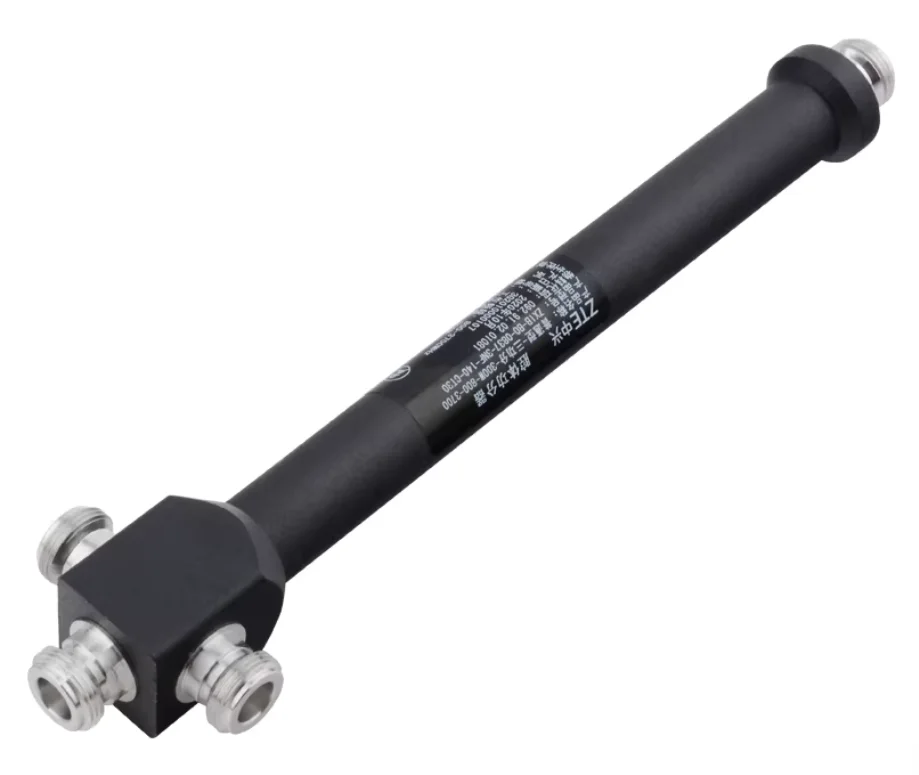
A power divider, sometimes called a splitter, is a passive microwave device designed to distribute an input signal into two or more output signals with specific characteristics. These devices are foundational in the field of RF and microwave engineering, enabling effective signal distribution without significant loss or distortion.
**How Power Dividers Work**
At their core, power dividers direct a portion of the input power to each output port. They are designed to achieve specific functions—such as equal or unequal splitting—and maintain signal fidelity. The precision in their construction is essential for minimizing issues like insertion loss (the reduction of signal power), ensuring isolation between output ports, and maintaining a good Voltage Standing Wave Ratio (VSWR) for optimal performance.
**Types of Power Dividers**
Several types of power dividers exist, each tailored for specific applications:
- **Wilkinson Power Divider:** Known for excellent isolation and minimal insertion loss, frequently used in high-performance applications.
- **Resistive Power Divider:** Offers simplicity and wide bandwidth, suitable for low-power scenarios.
- **Hybrid Power Divider:** Specialized for splitting and combining signals with different phase relationships, crucial in complex communication systems.
Selecting the right type depends on the application’s requirements concerning frequency range, power levels, and other performance metrics.
---
Major Applications of Power Dividers in the Communications Industry
Power dividers have become indispensable in various sectors within the communications industry. Let's delve into their key applications:
**1. Wireless Communication Systems**
- **Base Stations and Antennas:** Power dividers are employed in cellular base stations for distributing signals to multiple transmission or reception ports. In MIMO (Multiple Input Multiple Output) systems, for example, they split signals efficiently among various antennas to maximize data throughput and coverage.
- **Distributed Antenna Systems (DAS):** In large venues like stadiums and airports, power dividers evenly distribute signals across multiple antennas, eliminating dead zones and enhancing network efficiency.
**2. Satellite Communications**
- **Signal Routing and Distribution:** Spaceborne and ground-based satellite systems rely on power dividers for managing signals among multiple transceivers or payloads. They ensure that crucial communication signals are shared accurately with minimum loss.
- **Redundancy and Reliability:** In mission-critical satellite operations, power dividers facilitate redundancy by allowing multiple communication paths, boosting system reliability in case of component failure.
**3. Broadcasting**
- **TV and Radio Transmitters:** Broadcasting facilities use power dividers to route the same signal to multiple transmitter paths, enabling simultaneous coverage of large geographic areas.
- **Multi-channel Outputs:** For cable TV or digital broadcast, power dividers split signal streams so each output can be independently processed for different channels.
**4. Radar Systems**
- **Phased Array Architectures:** Modern radar arrays use power dividers to distribute the radar signal to each element in an array, enabling electronic beam steering and rapid target tracking.
- **Multiple Element Distribution:** By splitting signals, power dividers facilitate complex radar operations, such as simultaneous multi-target monitoring and adaptive scanning.
**5. Test and Measurement**
- **Signal Splitting for Analysis:** Engineers utilize power dividers in test environments to split input signals between different measurement instruments, enhancing diagnostic capabilities.
- **Calibration and Reference Distribution:** Calibration labs use them to distribute reference signals to multiple devices, ensuring accuracy and consistency across tests.
---
Selection Criteria for Power Dividers in Communication Applications
Selecting the right power divider involves careful consideration of several factors, each crucial for optimal system integration:
**Frequency Range and Bandwidth**
Compatibility with the intended operating frequency is vital. The power divider must function efficiently over a specified bandwidth to prevent signal degradation.
**Power Handling Capability**
Depending on the application—whether it’s a high-power broadcast transmitter or a low-power test setup—the power divider must be rated for the expected RF power levels to avoid overheating or failure.
**Size and Form Factor**
Space constraints are often present in communication equipment racks or compact devices. Power dividers are available in various sizes and configurations, including surface-mount and connectorized modules.
**Reliability and Environmental Considerations**
In outdoor or spaceborne environments, power dividers must withstand temperature extremes, humidity, and vibration. Look for models with proven reliability in harsh conditions and certifications for demanding applications.
---
Future Trends and Innovations
As technology evolves, so do the demands on the components that underpin communication networks. Power dividers are no exception:
**Miniaturization and Integration**
With the advancement of integrated circuits and microfabrication techniques, we are seeing the development of miniature power dividers that can be directly embedded into RF and microwave chips. This is particularly vital for emerging technologies like IoT and wearables, where space and power efficiency are critical.
**Higher Frequency and 5G/6G Applications**
The rollout of 5G and the future 6G networks, which operate at much higher frequencies (millimeter-wave bands), requires power dividers capable of handling wide bandwidths and extremely high frequencies with minimal loss. Manufacturers are investing heavily in materials and fabrication techniques to meet these demands.
**Advancements in Materials and Design**
New materials, such as low-loss ceramics and advanced polymers, enable the design of power dividers with improved thermal stability, lower losses, and greater isolation. Simulation-driven design is helping engineers optimize layouts for maximum efficiency and performance.
---
Conclusion
Power dividers are the unsung heroes that ensure the smooth operation of modern communication systems. They are vital for effective signal distribution in wireless networks, satellite links, broadcasting, radar arrays, and testing environments. As the communication industry continues to evolve toward higher frequencies, greater integration, and ever-more demanding performance requirements, the role of power dividers will only grow in significance.
Professionals engaged in communication system design must remain up-to-date on the latest power divider technologies and their application-specific benefits. Choosing the right power divider ensures not just better signal quality, but also enhanced network reliability and future-proofing for new innovations. By understanding and leveraging the key applications of power dividers, the communications industry will continue to connect the world—faster, smarter, and more efficiently than ever before.
**Key Power Divider Applications in the Communications Industry: An Introduction**
In today’s data-driven world, the demand for fast, seamless, and reliable communication networks is higher than ever. From the smartphones in our pockets to the satellite links that connect continents, every component in these vast systems plays a crucial role. Among these, power dividers stand out as essential yet often overlooked devices that help distribute and manage signals so the entire network operates efficiently. This article explores the key power divider applications in the communications industry, explaining their basic concepts, selection criteria, and the latest trends that are shaping the future of connectivity.
---
Understanding Power Dividers: Basic Concepts
A power divider, sometimes called a splitter, is a passive microwave device designed to distribute an input signal into two or more output signals with specific characteristics. These devices are foundational in the field of RF and microwave engineering, enabling effective signal distribution without significant loss or distortion.
**How Power Dividers Work**
At their core, power dividers direct a portion of the input power to each output port. They are designed to achieve specific functions—such as equal or unequal splitting—and maintain signal fidelity. The precision in their construction is essential for minimizing issues like insertion loss (the reduction of signal power), ensuring isolation between output ports, and maintaining a good Voltage Standing Wave Ratio (VSWR) for optimal performance.
**Types of Power Dividers**
Several types of power dividers exist, each tailored for specific applications:
- **Wilkinson Power Divider:** Known for excellent isolation and minimal insertion loss, frequently used in high-performance applications.
- **Resistive Power Divider:** Offers simplicity and wide bandwidth, suitable for low-power scenarios.
- **Hybrid Power Divider:** Specialized for splitting and combining signals with different phase relationships, crucial in complex communication systems.
Selecting the right type depends on the application’s requirements concerning frequency range, power levels, and other performance metrics.
---
Major Applications of Power Dividers in the Communications Industry
Power dividers have become indispensable in various sectors within the communications industry. Let's delve into their key applications:
**1. Wireless Communication Systems**
- **Base Stations and Antennas:** Power dividers are employed in cellular base stations for distributing signals to multiple transmission or reception ports. In MIMO (Multiple Input Multiple Output) systems, for example, they split signals efficiently among various antennas to maximize data throughput and coverage.
- **Distributed Antenna Systems (DAS):** In large venues like stadiums and airports, power dividers evenly distribute signals across multiple antennas, eliminating dead zones and enhancing network efficiency.
**2. Satellite Communications**
- **Signal Routing and Distribution:** Spaceborne and ground-based satellite systems rely on power dividers for managing signals among multiple transceivers or payloads. They ensure that crucial communication signals are shared accurately with minimum loss.
- **Redundancy and Reliability:** In mission-critical satellite operations, power dividers facilitate redundancy by allowing multiple communication paths, boosting system reliability in case of component failure.
**3. Broadcasting**
- **TV and Radio Transmitters:** Broadcasting facilities use power dividers to route the same signal to multiple transmitter paths, enabling simultaneous coverage of large geographic areas.
- **Multi-channel Outputs:** For cable TV or digital broadcast, power dividers split signal streams so each output can be independently processed for different channels.
**4. Radar Systems**
- **Phased Array Architectures:** Modern radar arrays use power dividers to distribute the radar signal to each element in an array, enabling electronic beam steering and rapid target tracking.
- **Multiple Element Distribution:** By splitting signals, power dividers facilitate complex radar operations, such as simultaneous multi-target monitoring and adaptive scanning.
**5. Test and Measurement**
- **Signal Splitting for Analysis:** Engineers utilize power dividers in test environments to split input signals between different measurement instruments, enhancing diagnostic capabilities.
- **Calibration and Reference Distribution:** Calibration labs use them to distribute reference signals to multiple devices, ensuring accuracy and consistency across tests.
---
Selection Criteria for Power Dividers in Communication Applications
Selecting the right power divider involves careful consideration of several factors, each crucial for optimal system integration:
**Frequency Range and Bandwidth**
Compatibility with the intended operating frequency is vital. The power divider must function efficiently over a specified bandwidth to prevent signal degradation.
**Power Handling Capability**
Depending on the application—whether it’s a high-power broadcast transmitter or a low-power test setup—the power divider must be rated for the expected RF power levels to avoid overheating or failure.
**Size and Form Factor**
Space constraints are often present in communication equipment racks or compact devices. Power dividers are available in various sizes and configurations, including surface-mount and connectorized modules.
**Reliability and Environmental Considerations**
In outdoor or spaceborne environments, power dividers must withstand temperature extremes, humidity, and vibration. Look for models with proven reliability in harsh conditions and certifications for demanding applications.
---
Future Trends and Innovations
As technology evolves, so do the demands on the components that underpin communication networks. Power dividers are no exception:
**Miniaturization and Integration**
With the advancement of integrated circuits and microfabrication techniques, we are seeing the development of miniature power dividers that can be directly embedded into RF and microwave chips. This is particularly vital for emerging technologies like IoT and wearables, where space and power efficiency are critical.
**Higher Frequency and 5G/6G Applications**
The rollout of 5G and the future 6G networks, which operate at much higher frequencies (millimeter-wave bands), requires power dividers capable of handling wide bandwidths and extremely high frequencies with minimal loss. Manufacturers are investing heavily in materials and fabrication techniques to meet these demands.
**Advancements in Materials and Design**
New materials, such as low-loss ceramics and advanced polymers, enable the design of power dividers with improved thermal stability, lower losses, and greater isolation. Simulation-driven design is helping engineers optimize layouts for maximum efficiency and performance.
---
Conclusion
Power dividers are the unsung heroes that ensure the smooth operation of modern communication systems. They are vital for effective signal distribution in wireless networks, satellite links, broadcasting, radar arrays, and testing environments. As the communication industry continues to evolve toward higher frequencies, greater integration, and ever-more demanding performance requirements, the role of power dividers will only grow in significance.
Professionals engaged in communication system design must remain up-to-date on the latest power divider technologies and their application-specific benefits. Choosing the right power divider ensures not just better signal quality, but also enhanced network reliability and future-proofing for new innovations. By understanding and leveraging the key applications of power dividers, the communications industry will continue to connect the world—faster, smarter, and more efficiently than ever before.
تقسیمکننده سیگنال RF را پخش میکند. معیار: افت، ایزولاسیون، باند.
تقسیمکننده و آنتن indoor داریم.
Le diviseur répartit un signal RF. Critères : pertes, isolation, bande.
Nous fournissons diviseurs et antennes indoor. Références en anglais.